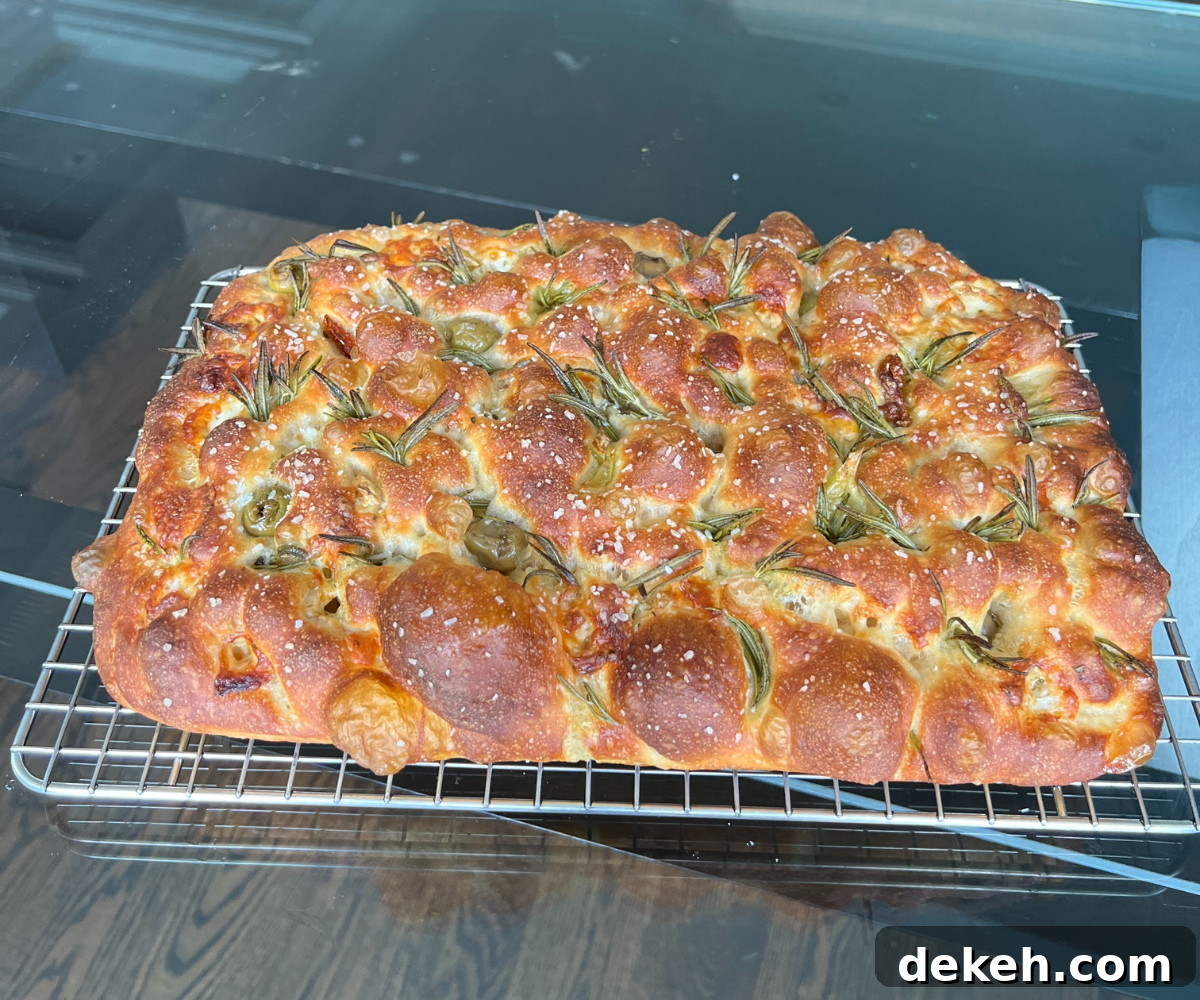
Focaccia is light, airy, and full of flavor, yet surprisingly simple to make at home. This recipe doesn’t require a stand mixer or extensive kneading. It yields a crisp exterior with large, flavorful air pockets and works reliably for home bakers of any level.
A post shared by @kwokspots
How to know if your focaccia dough is proofing correctly
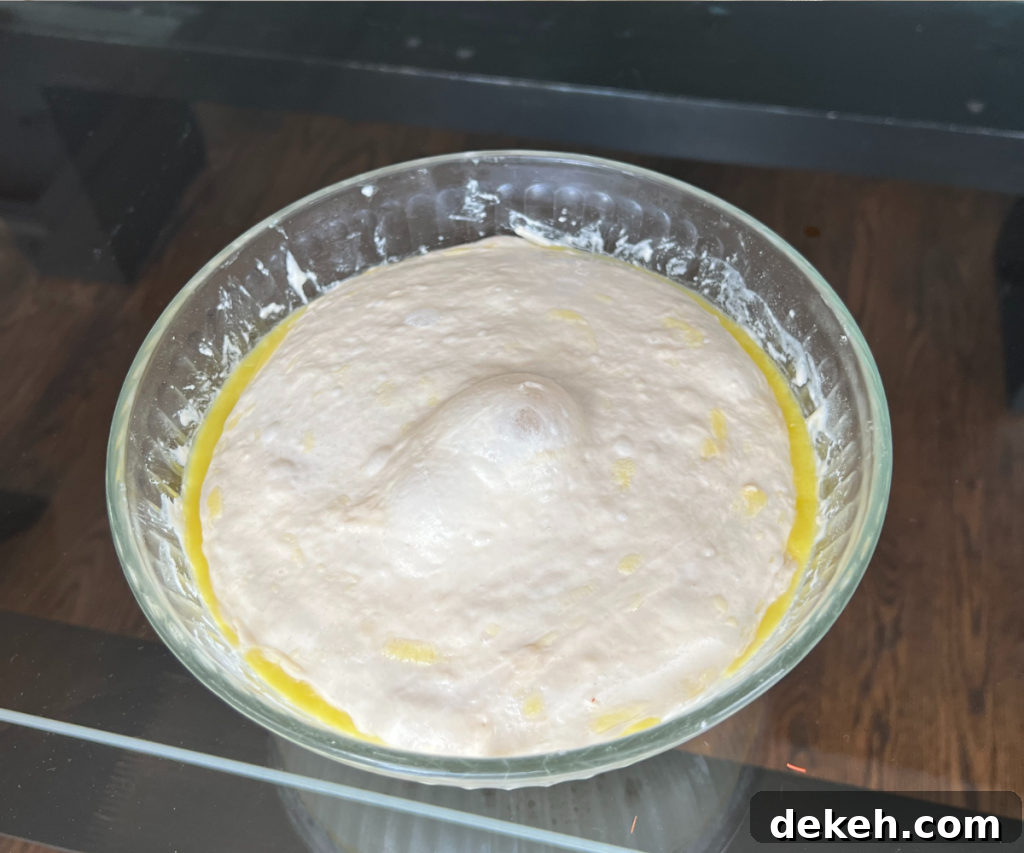
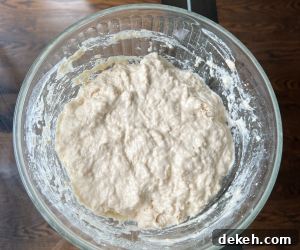
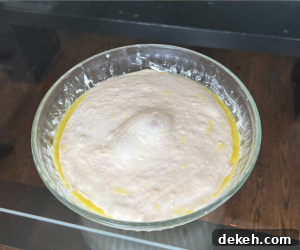
During the refrigerated first proof, the dough will rise noticeably within six hours and should at least double in volume after a full 24 hours. Cold fermentation develops flavor while keeping the dough manageable. When you remove it for the second proof, the dough may deflate slightly as you transfer it, which is normal — the room-temperature rise that follows will produce new bubbles and lift.
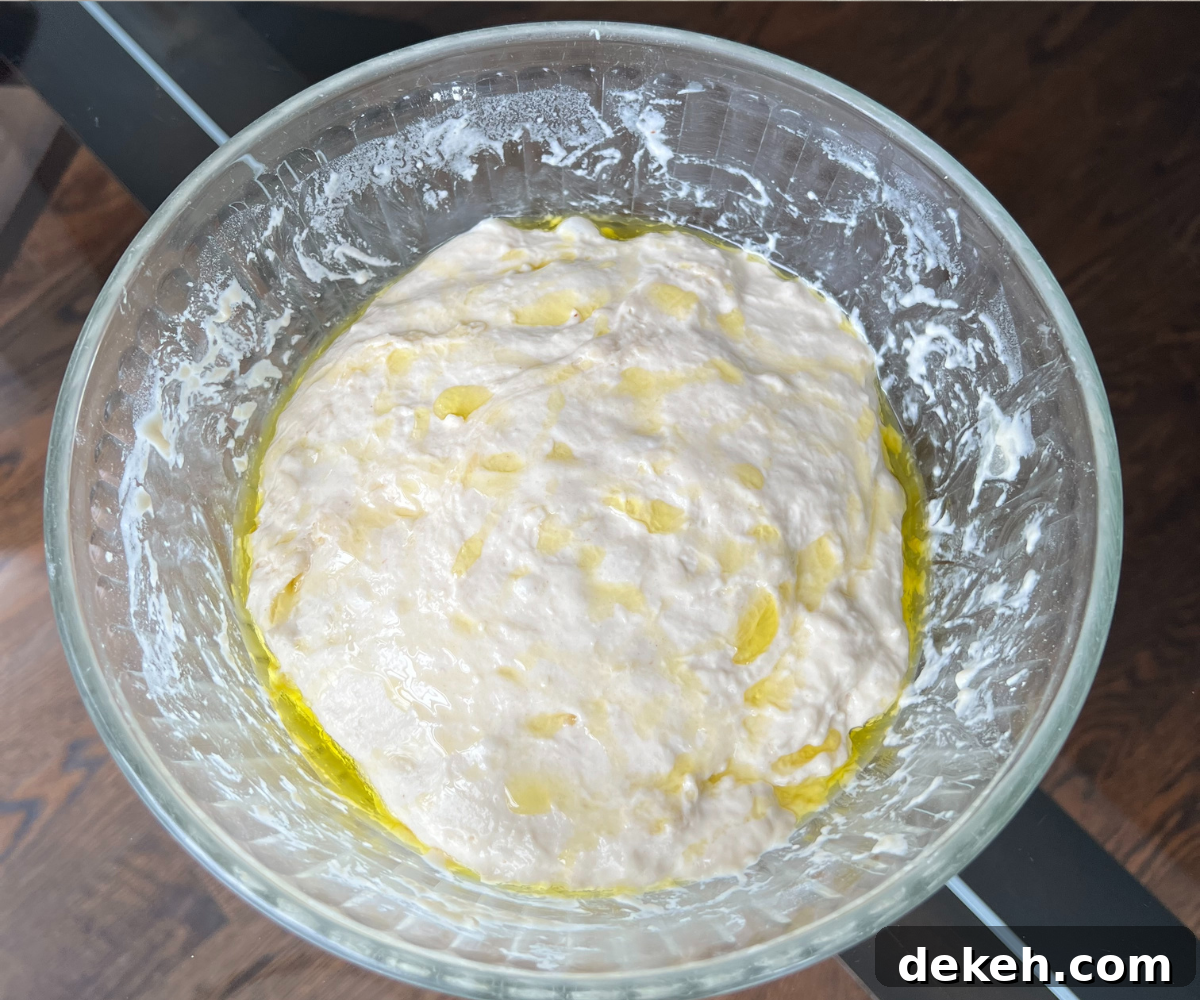
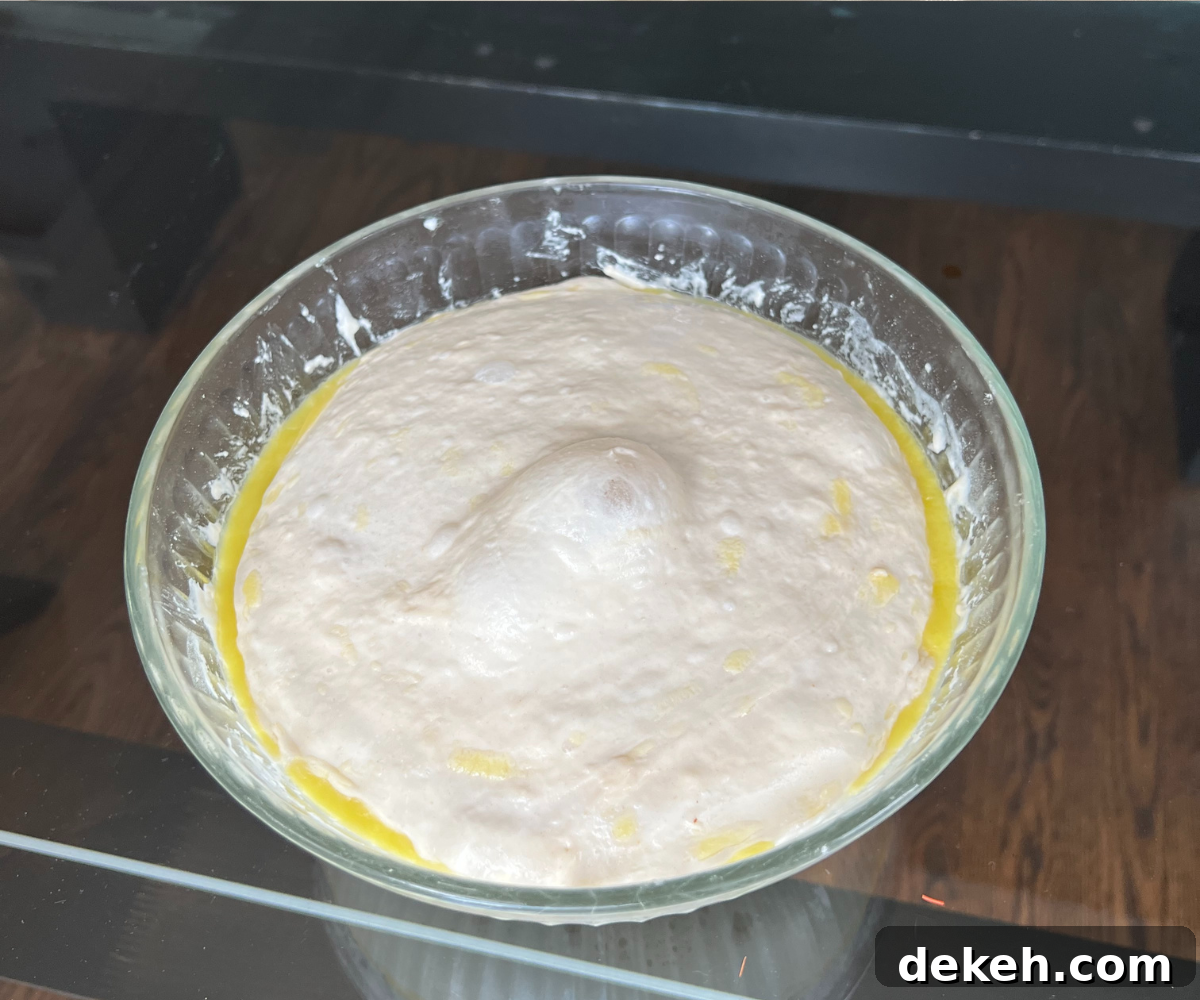
A key during both proofs is to avoid losing air from the dough. Handle it gently when moving it to the pan and when shaping so you preserve as many bubbles as possible for an open crumb.
Varying fridge temperatures
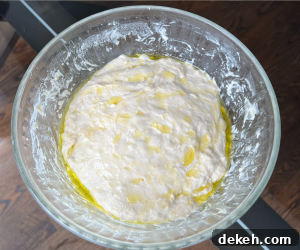
If your refrigerator is very cold (around 4°C or below), the olive oil you drizzled on the dough may solidify during the first proof. That’s fine — colder temps slow fermentation and deepen flavor. If the oil doesn’t solidify, that’s fine too. Either outcome produces excellent focaccia.
Prepping focaccia for baking
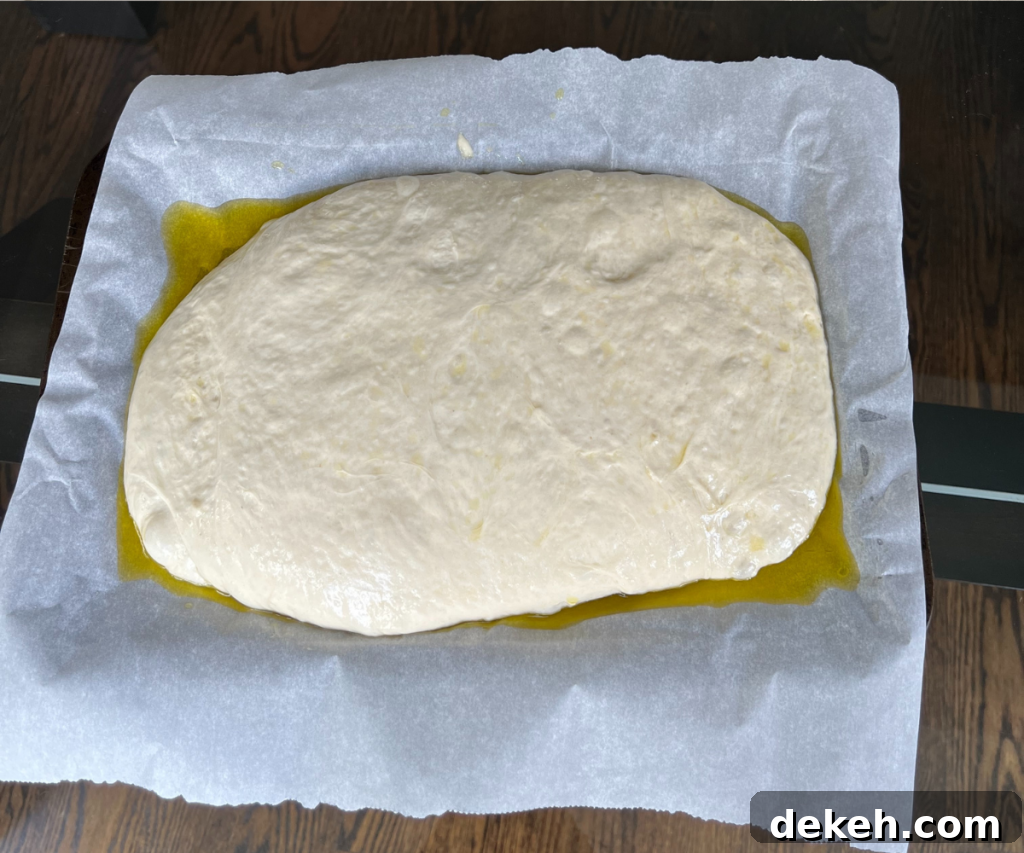
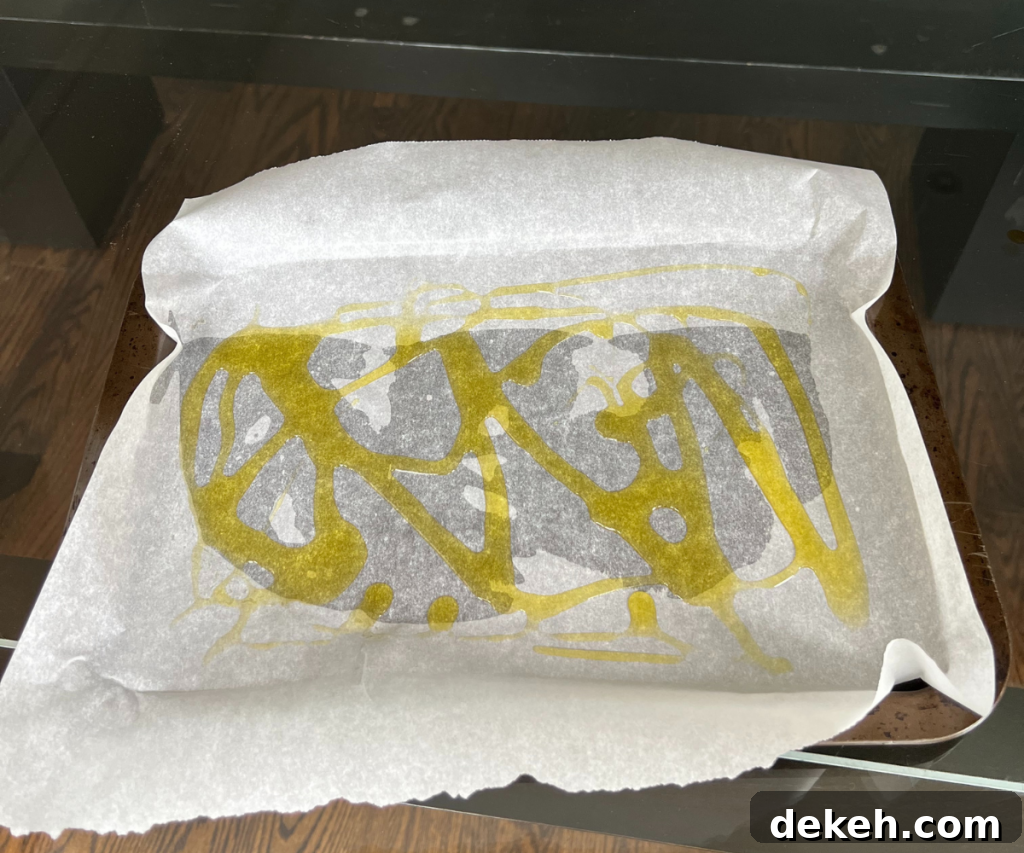
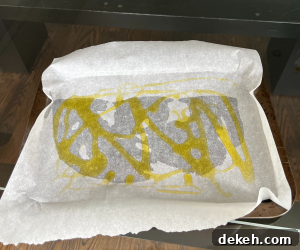
To keep the parchment from sliding while you stretch and dimple the dough, drizzle a little olive oil between the baking sheet and the parchment. This small step helps stabilize the parchment and makes handling much easier. If you’re using a deep baking pan, you can place the dough directly in the pan and skip the extra oil between parchment and sheet.
Focaccia toppings
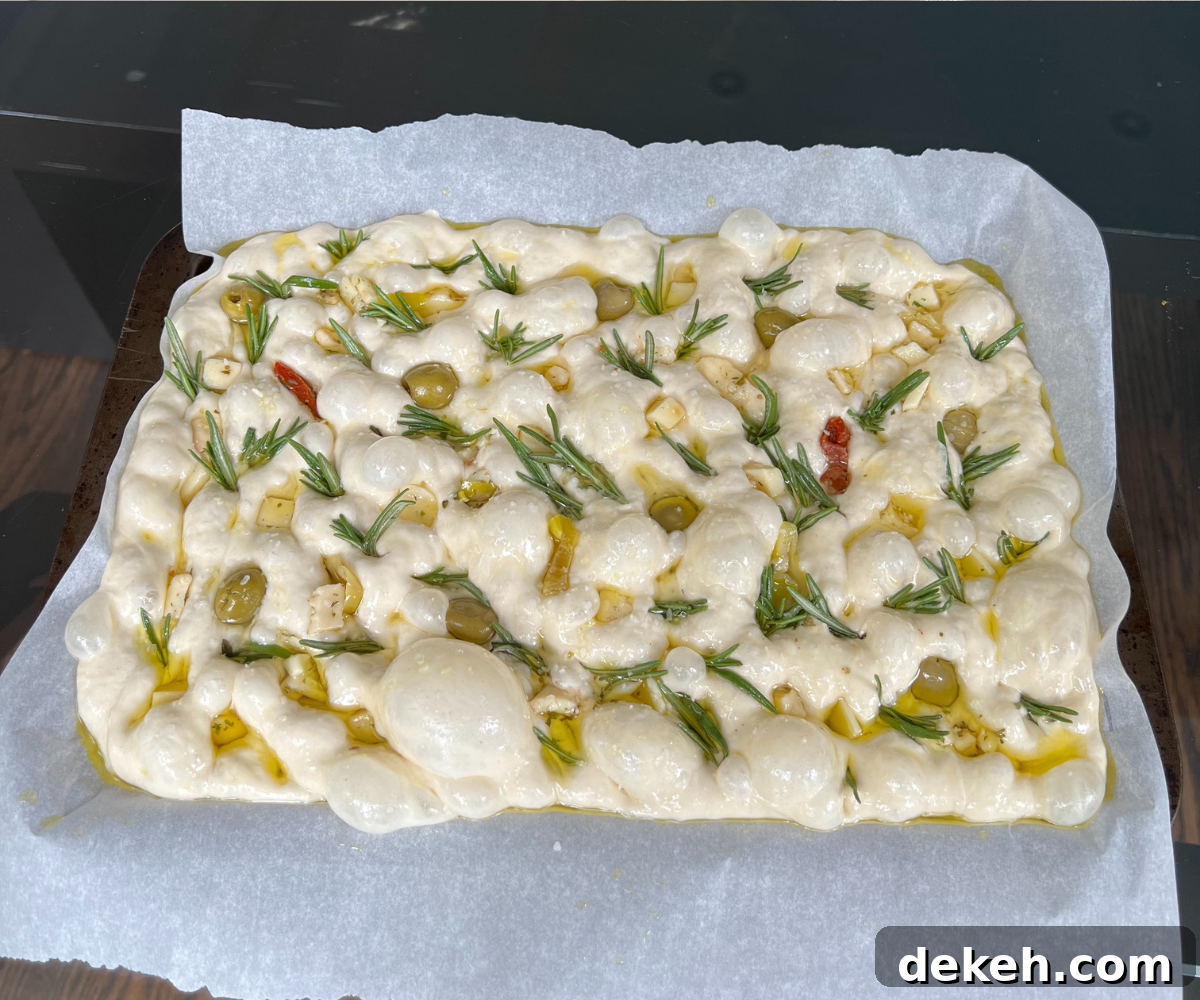
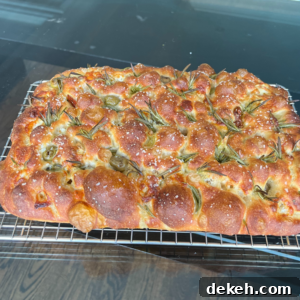
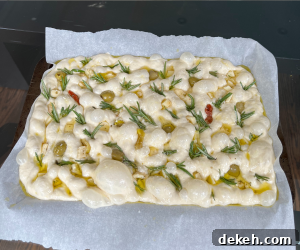
Toppings are where you can get creative. A classic pairing is olives, rosemary, and flaky salt — simple and aromatic. Other popular options include roasted garlic, cherry tomatoes, or even unconventional fruit combinations. Press toppings lightly into the dimples so they stay put while baking.
Focaccia
Ingredients
Dough
- 1 tsp instant yeast
- 450 g lukewarm water
- 1 tsp honey
- 2 tsp salt
- 1 tbsp olive oil
- 500 g flour (all-purpose or bread flour)
Extra Olive Oil
- ½ cup olive oil
Instructions
- In a large bowl, combine the yeast, water, honey, salt, and olive oil. Stir until combined.
-
Add the flour and mix until no dry patches remain.

- Cover the bowl tightly so air can’t escape and let it rest at room temperature for 10 minutes. The dough should be very wet.
-
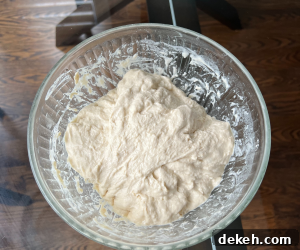
Wet your hands and perform a stretch-and-fold: pull dough from 12 to 6 o’clock, then 3 to 9 o’clock. Repeat twice to build tension. Rest 10 minutes.
-
Repeat the stretch-and-fold once more, then roll the dough so the folds sit on the bottom and the top is smooth. This helps retain air.
- Drizzle 1 tbsp olive oil over the dough and cover with plastic wrap.
- Refrigerate for at least 12 hours and up to 24 hours for best flavor and texture.
-
Remove the dough from the fridge; it should have at least doubled in size.
-
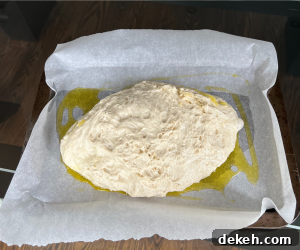
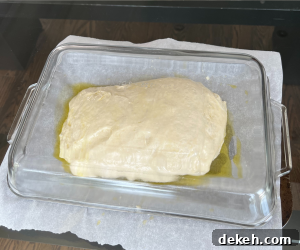
Drizzle ¼ cup olive oil onto a 9″ x 13″ baking sheet and gently place the dough on top. If using parchment, put 2 tbsp oil between the parchment and pan and then ¼ cup on the surface so the paper doesn’t shift.
-
Gently drop the dough onto the parchment or pan.
-
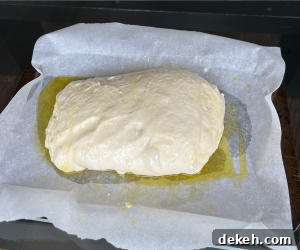
Fold the sides toward the center like folding a letter, then flip the dough so the folds are on the bottom. Aim for a smooth top to preserve bubbles.
-
Cover with a larger tray (or plastic wrap if it won’t touch the dough) and proof at room temperature for 1.5 hours.
-
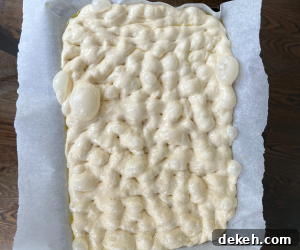
Use your fingers to gently dimple the dough, taking care not to burst the larger air pockets.
-
Press toppings into the dimples — olives, rosemary, and a sprinkle of salt work beautifully.
-
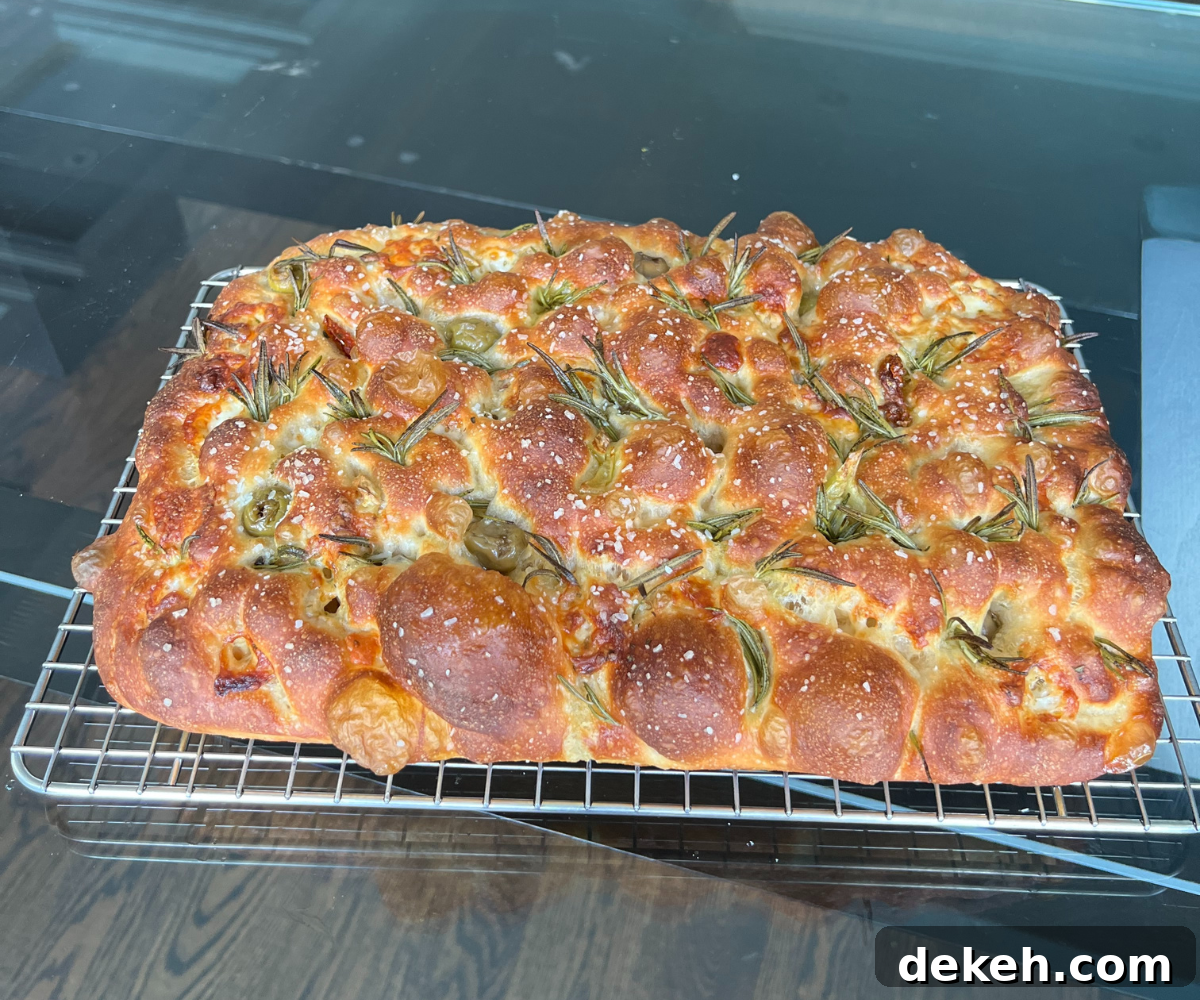
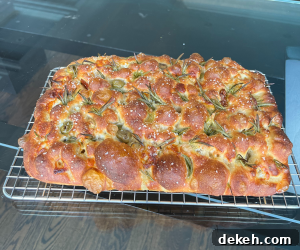
Drizzle another 1–2 tbsp olive oil and bake at 430°F (220°C) for 18–20 minutes or until golden and cooked through. Optionally brush with more oil after baking.
Additional Info
If you enjoyed this recipe, try some other bread recipes for more inspiration:
- Japanese milk bread
- Garlic bread brick