
Cooking more at home and feeling a bit unsure when you’re missing an ingredient? Here are practical ingredient swaps to help you get back on track and feel confident in the kitchen.

I’ve spent years cooking and experimenting, so improvising in the kitchen comes naturally to me. I know that isn’t true for everyone, and that’s okay. Cooking is often an art rather than an exact science, which gives you room to experiment and adapt recipes to what you have on hand. (A quick caveat: baking is more precise—substitutions don’t always work the same way.)
With more people preparing meals at home, learning simple swaps can make cooking less stressful and more enjoyable. Below are general guidelines and common substitutions to keep in mind. If you have a specific ingredient or recipe question, leave a comment and I’ll help troubleshoot.
Substituting Grains
Many grains are interchangeable, but they often require different cooking times and liquid ratios. As a general rule, if a dish calls for one grain, you can usually substitute another with minor adjustments. Common swaps include:
- rice
- quinoa
- farro
- barley
Keep an eye on texture and cooking time—some grains soak up more liquid or take longer to become tender.
Pasta
Most pasta shapes can be used interchangeably. Bowties, fusilli, spaghetti and penne all perform the same basic job: carrying sauce and providing texture. Simply adjust cooking times to match the shape you’re using.
Vegetables
Vegetable swaps depend on the role the vegetable plays in the dish. Ask yourself: Is it mainly for texture, flavor, or color? For some recipes, a specific vegetable is essential (for example, a butternut squash soup or a recipe highlighting shiitake mushrooms). In other dishes—like grain bowls, stir-fries, or roasted vegetable medleys—you can use whatever you have on hand. Think about flavor compatibility and cook times when swapping.
Protein
Proteins are often flexible. Match the texture and consistency where possible. If a recipe calls for ground meat and you’d prefer a plant-based option, try crumbled tofu, tempeh, or a ground meat alternative. For whole cuts of meat, swap with similar-cooking proteins (chicken thighs for pork shoulder may require different times and techniques, for example).
Spices
Spices are an easy area to improvise. If you don’t have a particular spice, consider the flavor profile you want—smoky, spicy, earthy, or bright—and choose a substitute that provides a similar note. I keep staples like garlic powder, paprika, chili powder, cumin, salt, and pepper on hand. Buy specialty spices as needed for specific recipes.
Fats
Oils and fats can usually be swapped without significant impact on most savory recipes. Coconut oil, ghee, extra-virgin olive oil, avocado oil, butter, and rendered animal fats can often replace one another. Each fat brings subtle flavor differences and varying smoke points, so choose one that suits your cooking method.
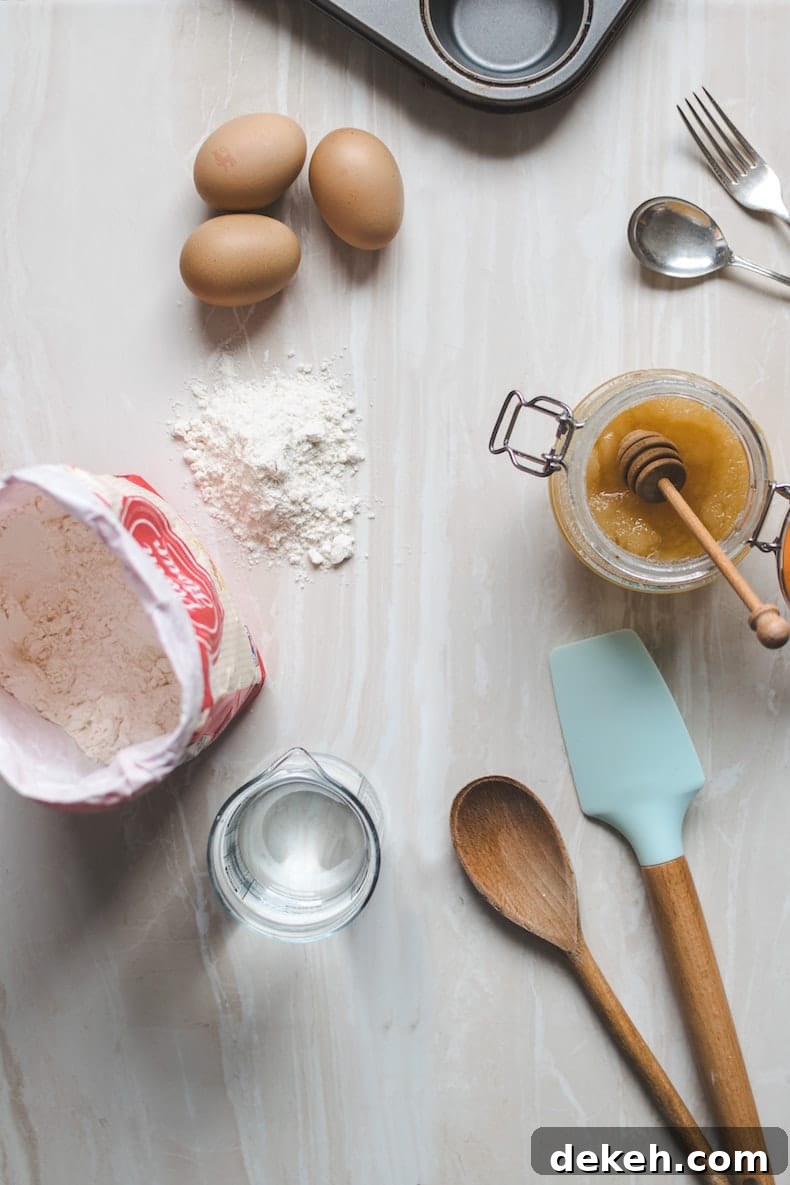
Helpful Ingredient Swaps
- Use equal parts coconut sugar in place of brown sugar.
- Use equal parts tamari to replace coconut aminos or soy sauce.
- Use equal parts dairy-free milk instead of cow’s milk. To mimic buttermilk, add a squeeze of lemon juice to the dairy-free milk and let it sit briefly.
- Substitute tomato sauce for a mixture of tomato paste + water when you need a looser consistency.
- In baking, replace 1 egg with a flaxseed egg: 1 tablespoon ground flaxseed mixed with 3 tablespoons warm water.
- Use equal parts maple syrup in place of honey.
- Most vinegars can be substituted for one another (rice, balsamic, apple cider, red wine, etc.). In many savory applications, wine can also replace vinegar.
These swaps are intended as guidelines to boost your confidence while cooking. Real confidence comes from practice and experimentation. Small changes rarely ruin a dish—in many cases they improve it. Give substitutions a try, trust your palate, and adjust seasoning and texture as needed. You might discover new flavor combinations that become favorites.
If you enjoyed this post, you might also like these related articles:
- Cookbooks for Weeknight Dinner Inspiration
- How I Meal Prep Intuitively
- Zero Waste Hacks for Your Entire Home
- What to Keep in Your Fridge for Gut Health