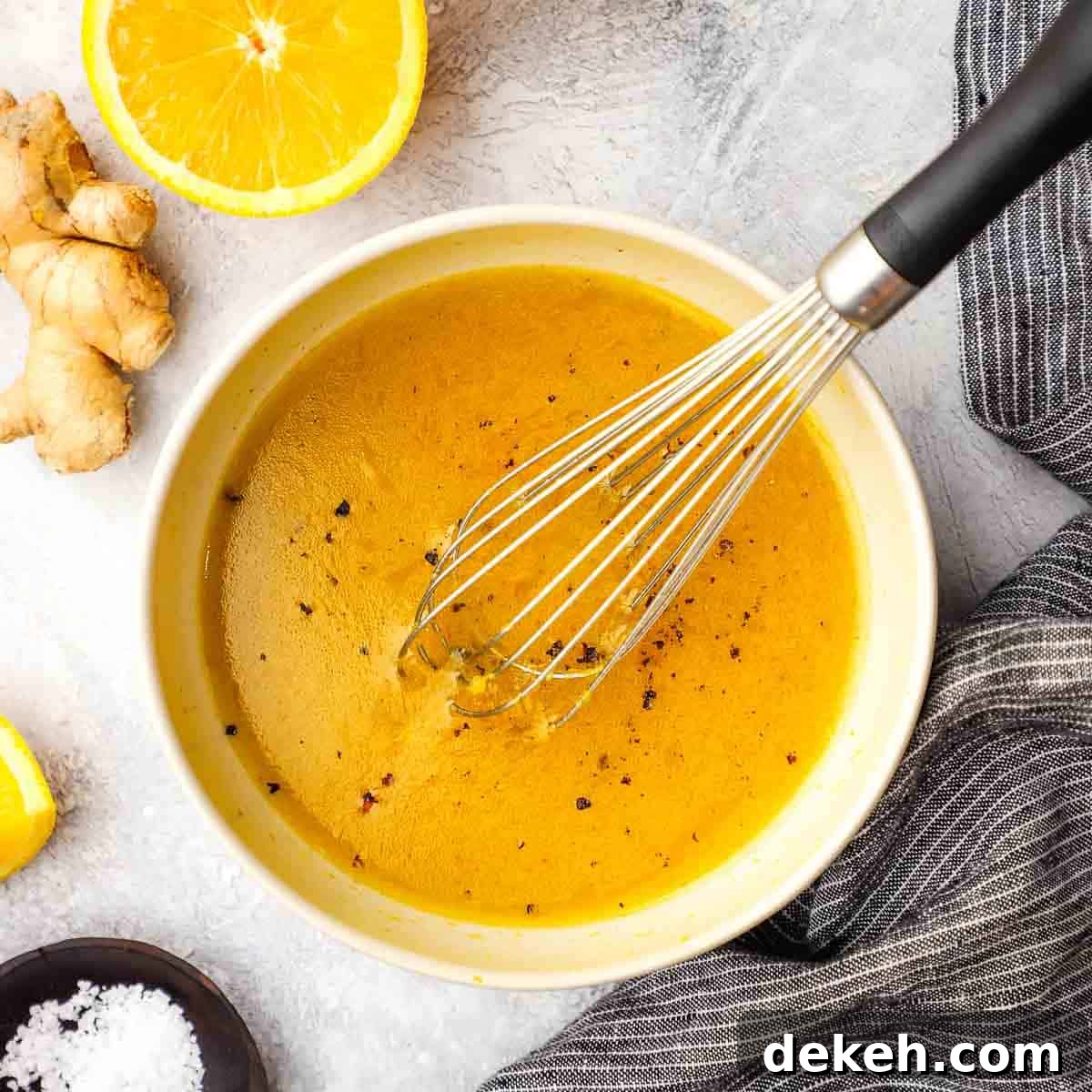
This orange ginger dressing is a bright, zesty, Asian-inspired vinaigrette that showcases fresh orange flavor with the warm bite of ginger.
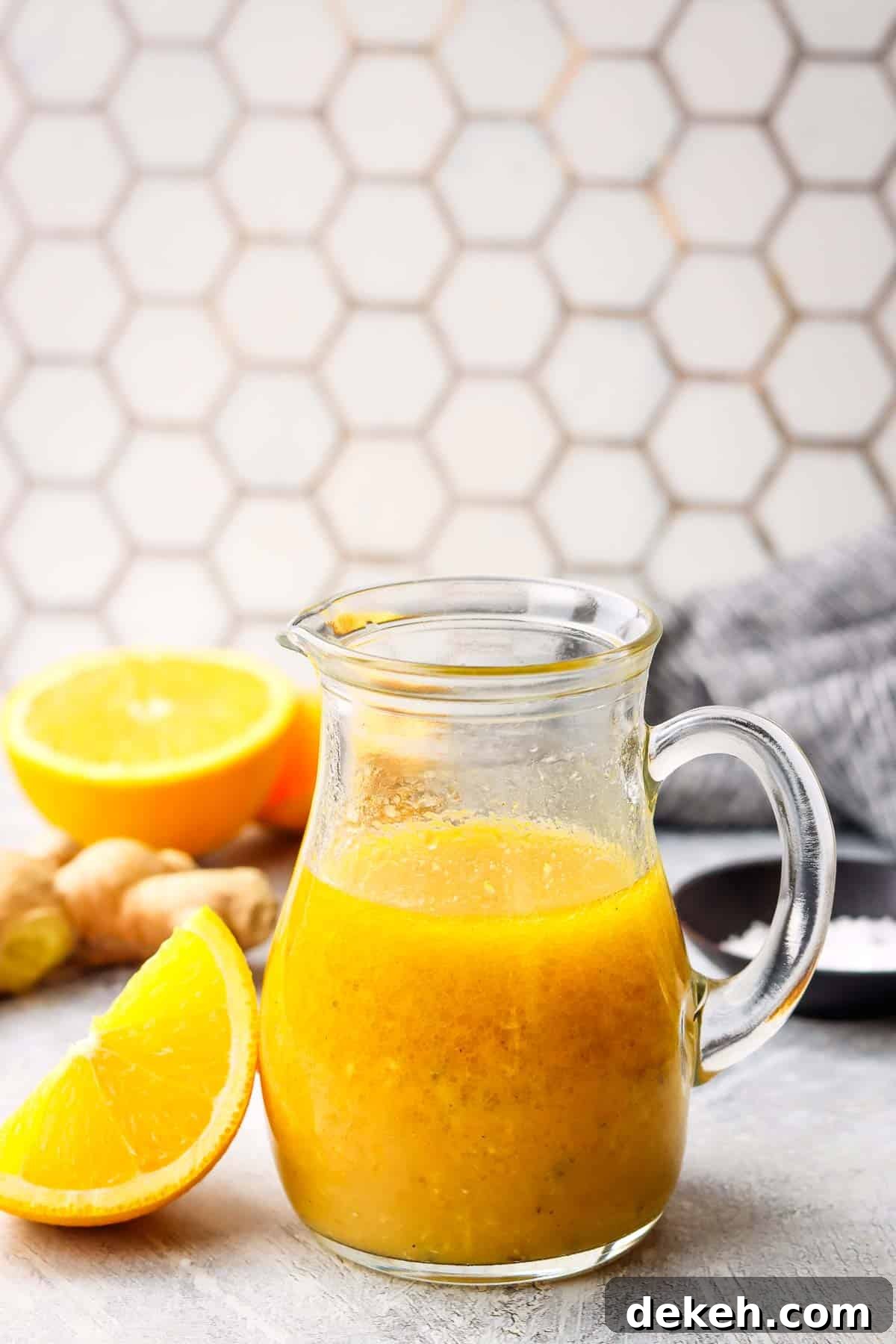
I stopped buying bottled dressings years ago. Homemade vinaigrettes are fresher, tastier, and quick to prepare—this orange ginger dressing takes about 5–10 minutes from start to finish. Once you get in the habit, keeping a jar of homemade dressing in the fridge makes weeknight salads and meals much easier.
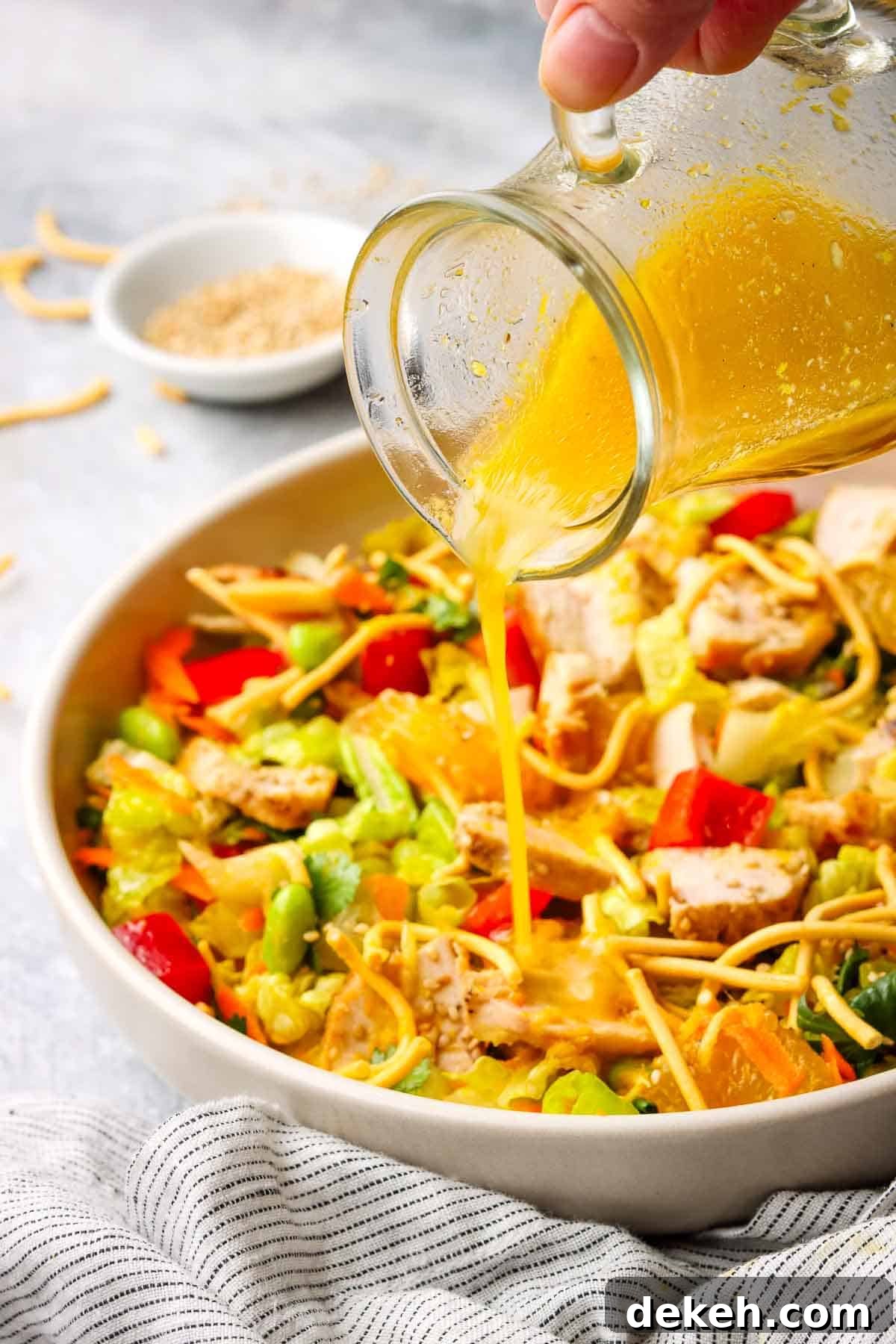
I originally developed this orange sesame ginger dressing for a Mandarin chicken salad, but it pairs beautifully with any Asian-inspired salad and is lovely on mixed greens, shaved cabbage, or a kale and pomegranate salad. The citrus brightness and ginger heat make it a great way to enjoy seasonal oranges.
Why You’ll Love This Orange Ginger Dressing
This dressing is fast, uses common pantry staples, and requires no special equipment—just a whisk or a jar to shake. Fresh orange juice and grated ginger deliver bright, lively flavor, while rice vinegar and Dijon mustard help balance and emulsify the vinaigrette. It’s versatile, light, and perfect for making ahead.
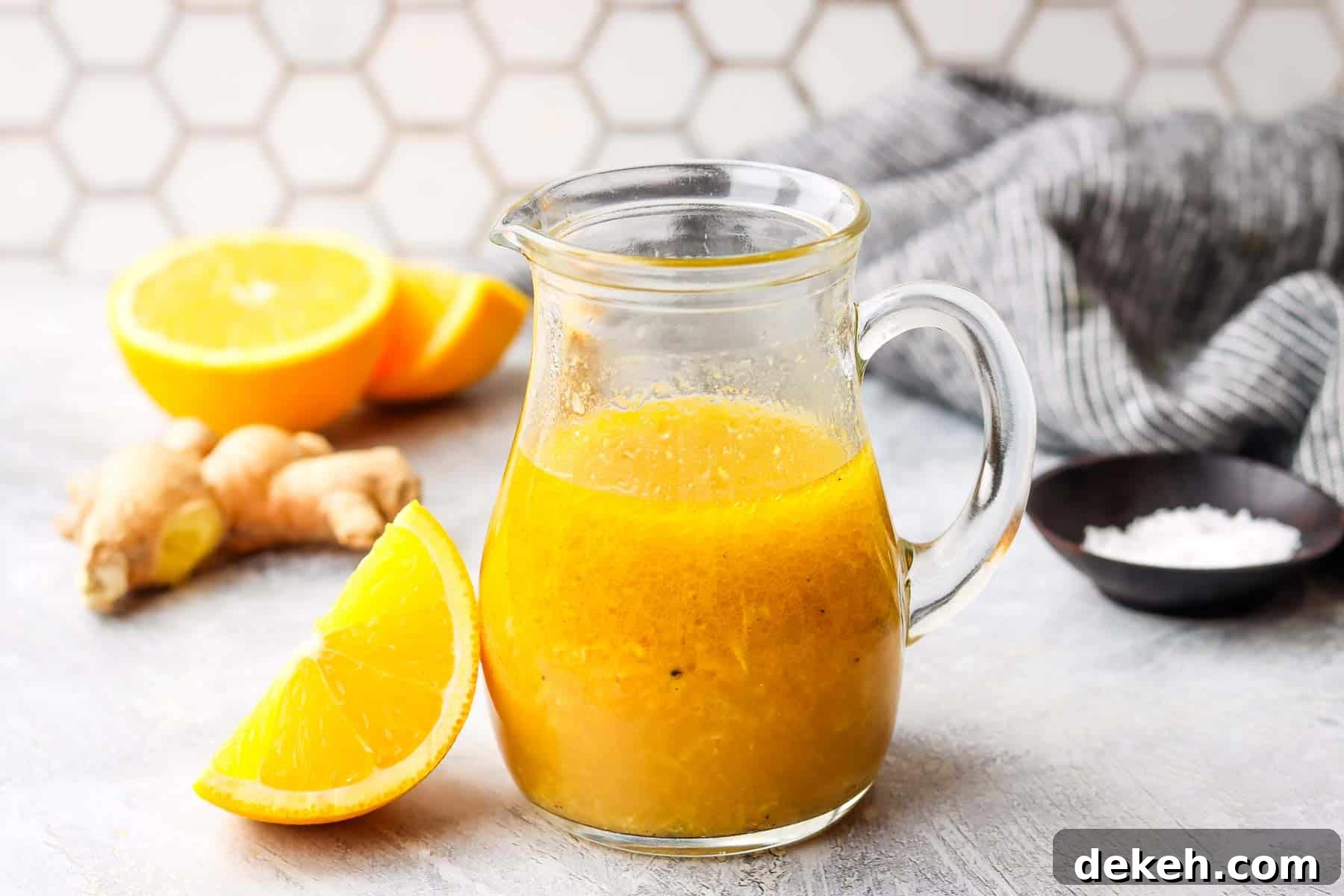
The dressing is bright, slightly sweet, tangy, and carries a gentle spice from fresh ginger. It will freshen up simple green salads and works well as a drizzle for roasted vegetables or grain bowls.
Ingredient Notes
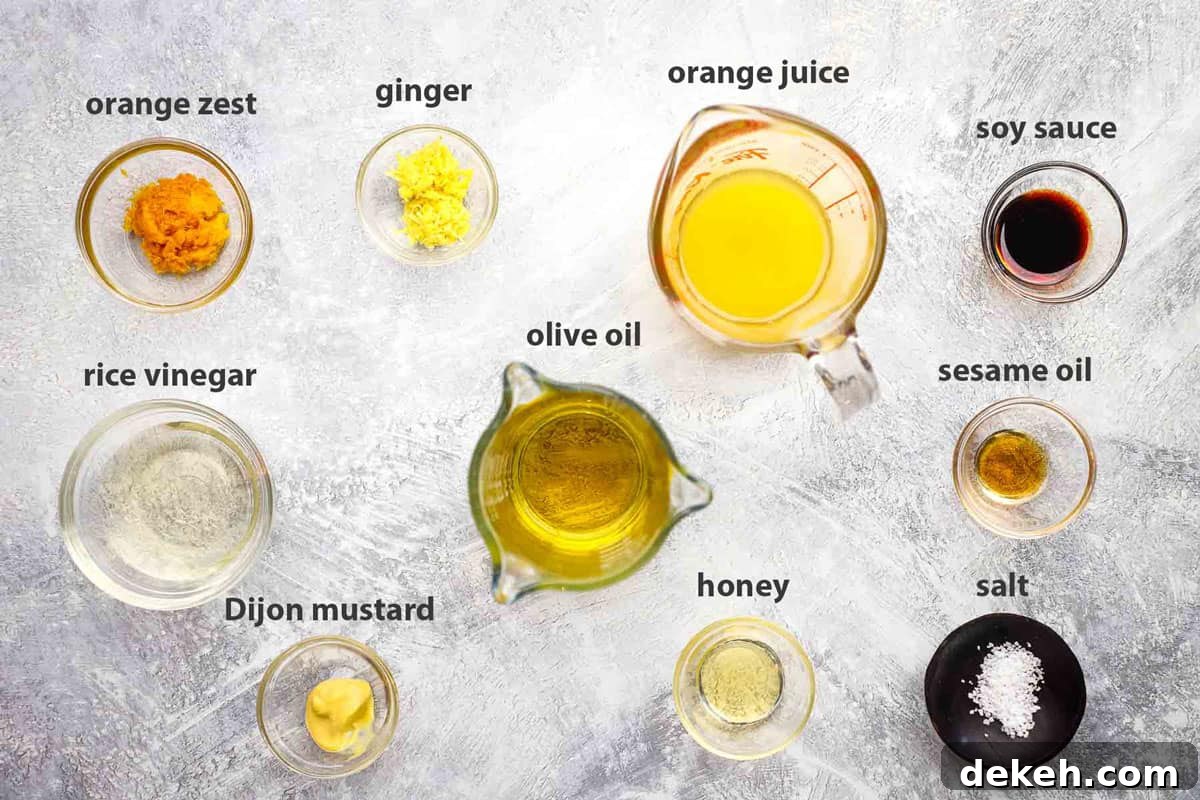
Orange Zest
Zesting an orange adds aromatic oils and concentrated citrus flavor. Only zest the colored peel—avoid the bitter white pith. A microplane zester is ideal for getting fine, even zest.
Orange Juice
Freshly squeezed orange juice is recommended for bright flavor. Navel oranges work well, but cara cara, mandarins, or blood oranges are great alternatives depending on the season and sweetness you prefer.
Rice Vinegar
Rice vinegar provides mild, slightly sweet acidity that balances the orange. If you don’t have rice vinegar, apple cider or white vinegar can be used, though the flavor will be a little different.
Dijon Mustard
Dijon adds a touch of sharpness and helps emulsify the dressing so it binds together and clings to salad leaves.
Soy Sauce
A splash of soy sauce contributes umami and depth, rounding out the sweetness and acidity.
Honey
Honey smooths and balances the dressing. Maple syrup can be used as a vegan-friendly substitute.
Ginger
Fresh grated ginger gives this dressing its warming heat and aromatic punch. Grated fresh ginger is preferable to dried for brightness and texture.
How to Peel Ginger
The easiest tool for peeling ginger is a teaspoon. Rinse the root, then scrape the skin away with the edge of the spoon—this removes the thin skin while minimizing waste. After peeling, grate using the small holes of a box grater or a microplane.
Olive Oil
Good-quality olive oil is a nice base for this vinaigrette and helps create the emulsion. Neutral oils like grapeseed, avocado, or canola can be used if you prefer a less olive-forward flavor.
Toasted Sesame Oil
A little toasted sesame oil adds a nutty, toasty note—use sparingly since its flavor is strong. Omit if you don’t have it on hand.
Step-by-Step Instructions
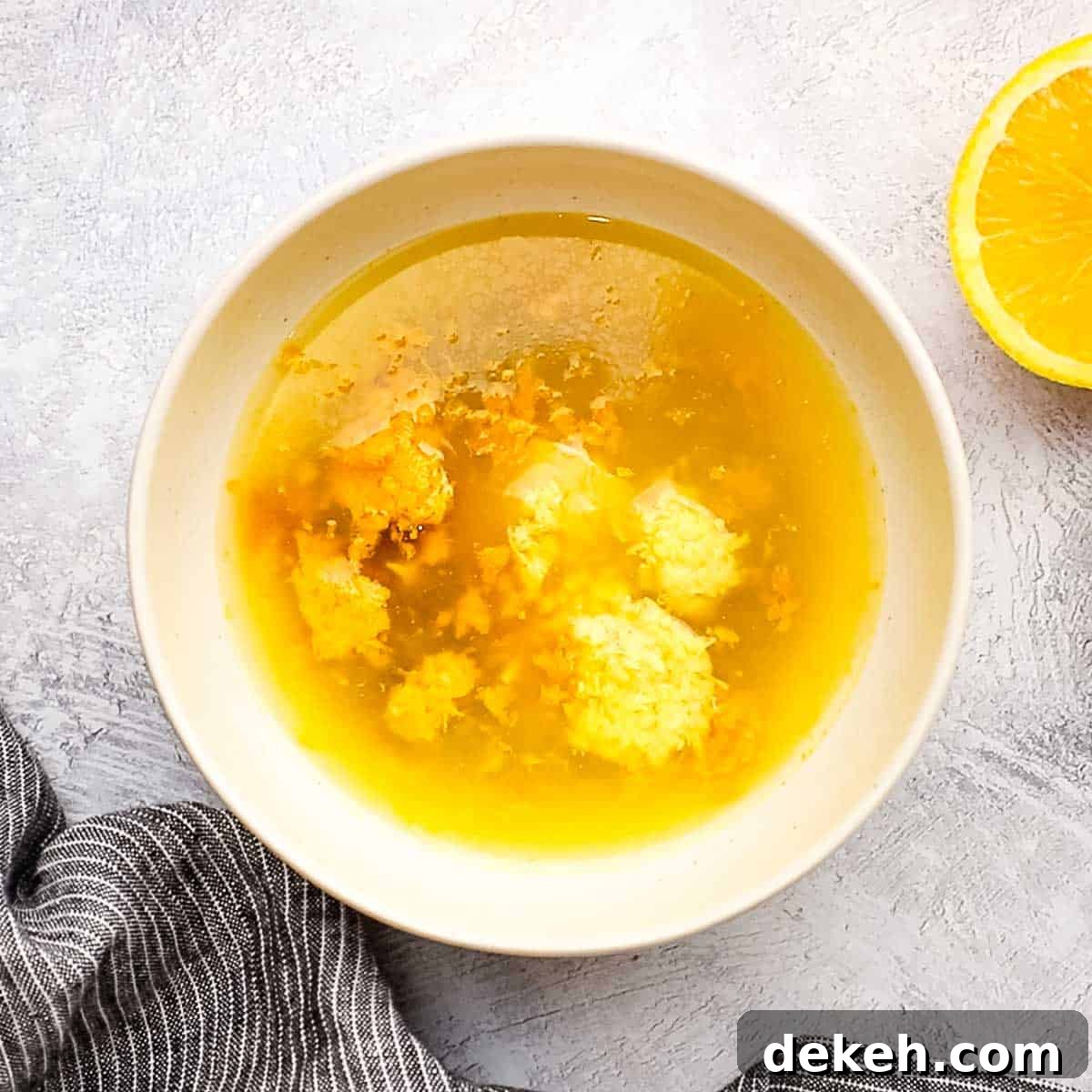
1. In a small bowl or measuring cup, combine orange zest, orange juice, rice vinegar, Dijon mustard, soy sauce, honey, and grated ginger.
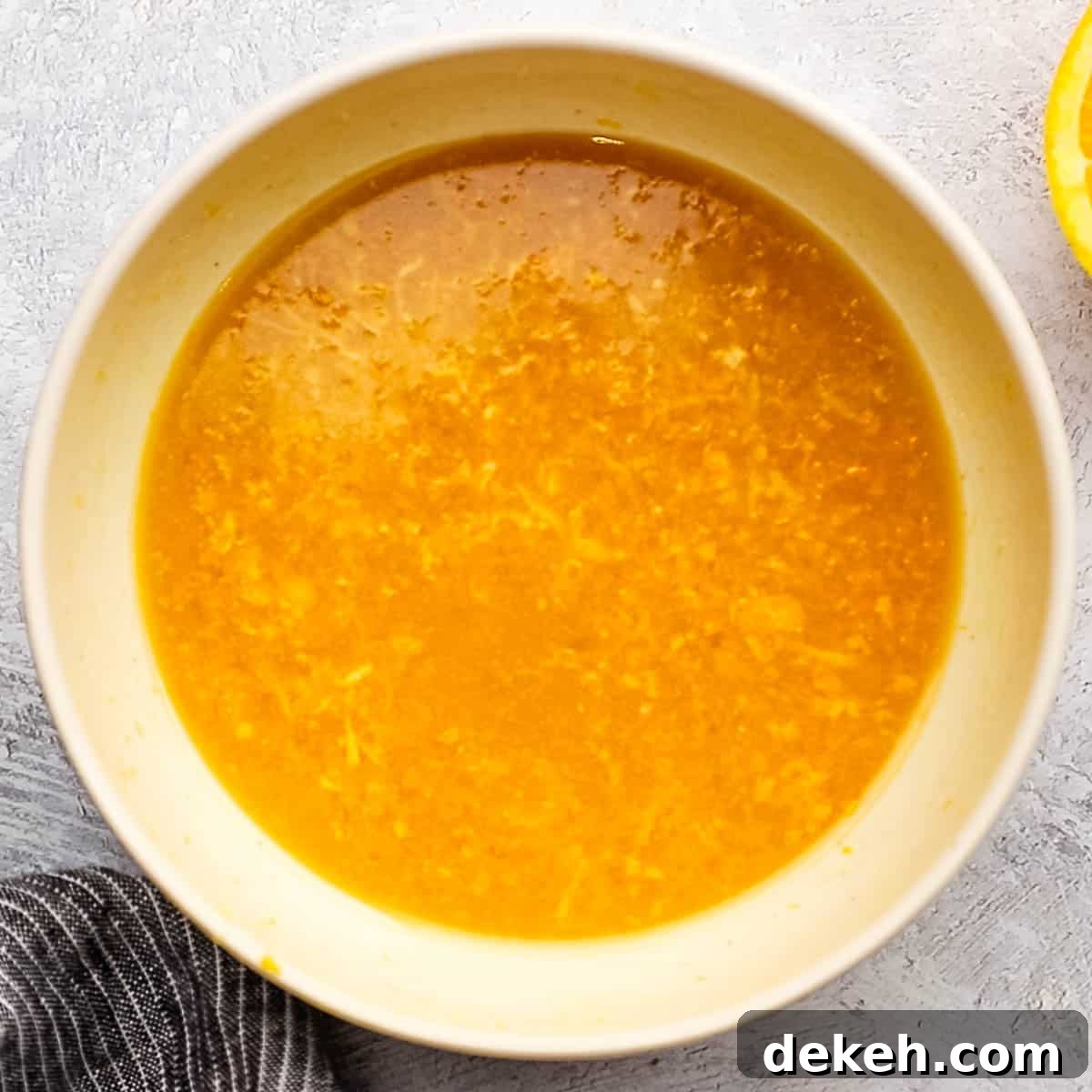
2. Slowly drizzle in the olive oil while whisking continuously until the mixture is emulsified and slightly thickened. Alternatively, place all ingredients in a jar with a tight lid and shake vigorously.
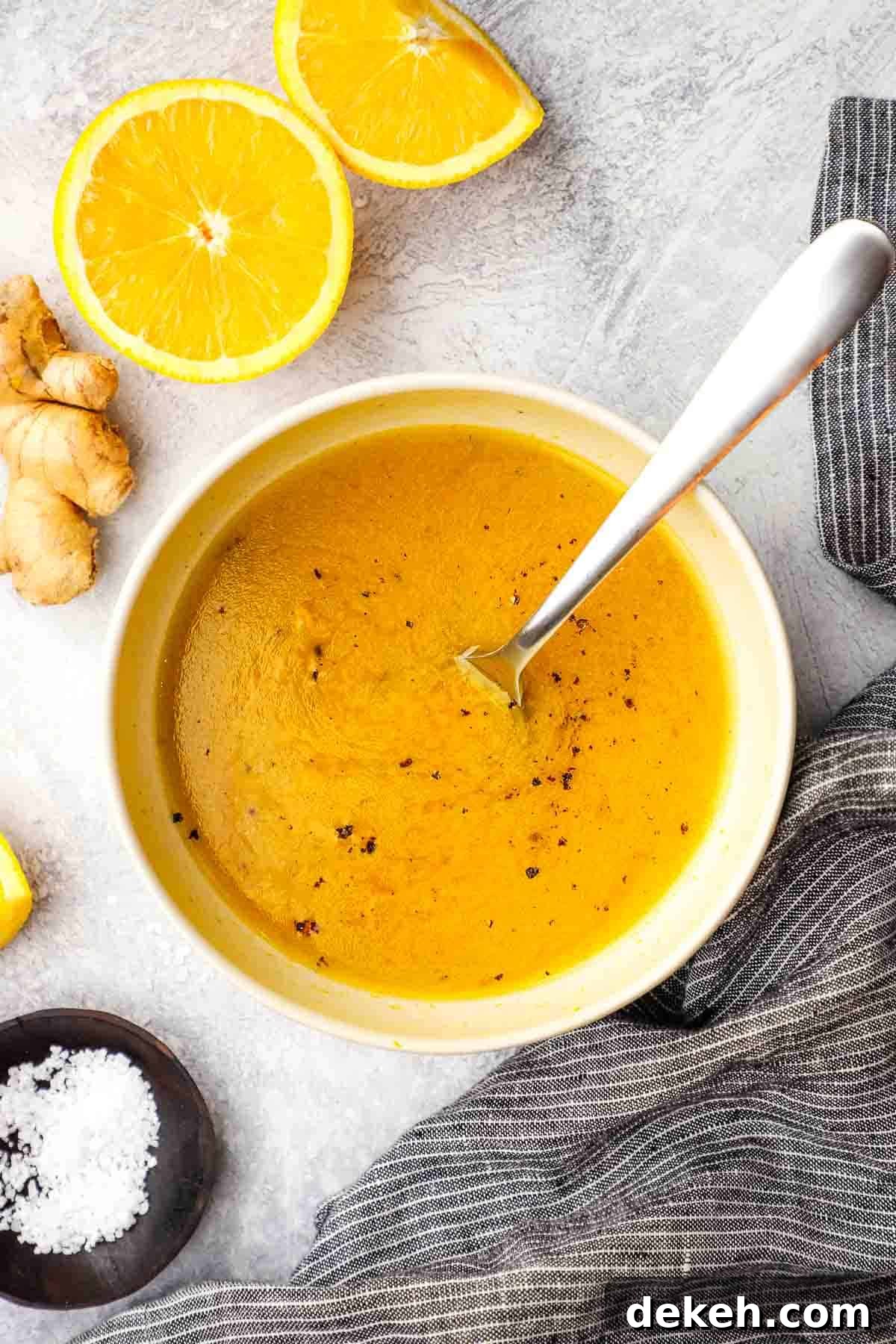
3. Stir in the toasted sesame oil and season with salt and pepper to taste. Adjust acidity with more rice vinegar if you want it tangier, add a touch more honey for sweetness, or increase ginger for more heat.
Recipe Tips
- Use the freshest ingredients you can—fresh orange juice and ginger make the dressing vibrant.
- Balance acid and oil. A good starting ratio is about 1 part acid (rice vinegar plus some citrus) to 3 parts oil, then adjust to taste. Orange juice adds sweetness, so rice vinegar provides necessary tang.
- To create a stable emulsion, whisk the oil in slowly. If separated in the fridge, simply shake or whisk again before serving.
Storage Instructions
Keep leftover dressing in a glass jar or other airtight container in the refrigerator for up to one week. Flavors remain vibrant, though the oil may separate—just shake or whisk to recombine before using.
Yes. Bottled orange juice will work in a pinch, but freshly squeezed juice gives the best bright flavor.
Peeling is recommended to avoid any bitterness from the skin. Use a spoon to scrape away the skin and grate the flesh.
You can, but dried ginger is more concentrated and lacks the fresh aroma. Start with a smaller amount and adjust to taste.
Recipe (Serves 6)
Ingredients
- 1 tablespoon orange zest (about 1 orange)
- 1/3 cup freshly squeezed orange juice (from 1–2 oranges)
- 2 tablespoons rice vinegar
- 1 teaspoon Dijon mustard
- 1 teaspoon soy sauce
- 1 teaspoon honey (or maple syrup)
- 2 teaspoons grated fresh ginger
- 1/4 cup olive oil
- 1/2 teaspoon toasted sesame oil
- Salt and pepper to taste
Instructions
- Combine orange zest, orange juice, rice vinegar, Dijon mustard, soy sauce, honey, and grated ginger in a small bowl or measuring cup.
- Slowly drizzle in the olive oil while whisking continuously until the dressing is emulsified. Or combine everything in a jar and shake vigorously.
- Whisk in sesame oil and season with salt and pepper. Taste and adjust acidity, sweetness, or ginger as desired.
Notes
If you prefer a tangier dressing, increase the rice vinegar rather than the orange juice—the orange adds more sweetness than acidity. To grate ginger, use a microplane or the small holes of a box grater.