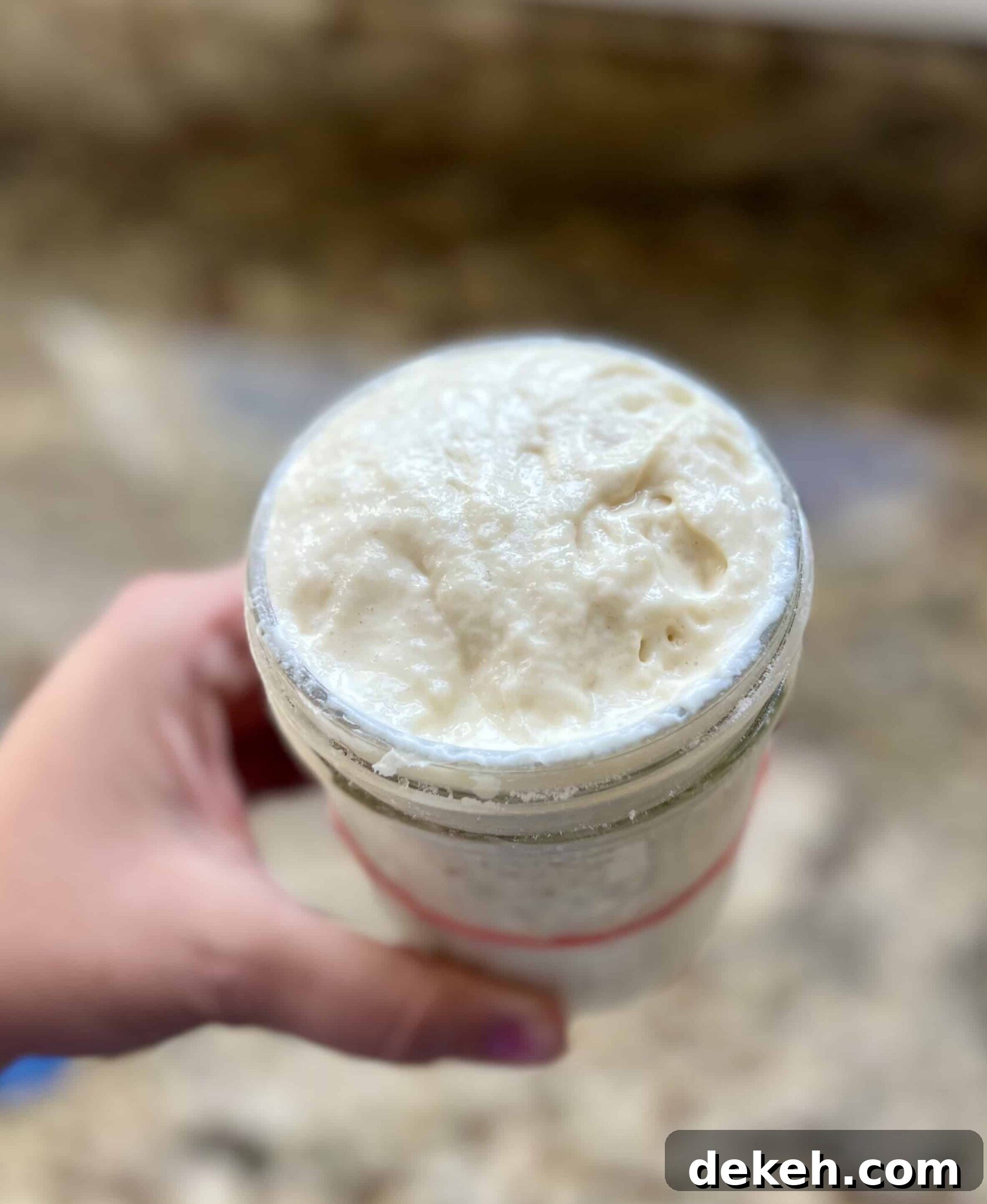
We all cherish recipes that carry memories and that we hope to pass down through the family. If you’re wondering whether you can convert those beloved recipes into sourdough versions, the answer is yes. Any dough that uses commercial yeast can be adapted to use a sourdough starter as the leavening agent. Below is a clear, practical guide to replacing commercial yeast with sourdough starter so you can preserve the flavors you love while enjoying the benefits of natural fermentation.

Here’s How To Replace Yeast with Sourdough Starter
1. Review the recipe and measure ingredients in grams
Start by checking how much flour and liquid the original recipe uses. If the recipe lists volumes (cups), convert them to grams for consistency and accuracy. The calculations below are based on the total flour amount because the starter’s contribution is proportional to flour weight.
Example: The recipe calls for 500 grams flour and 350 grams water.
2. Substitute commercial yeast with 15–20% starter
A good starting point is to use 15–20% of the total flour weight as active sourdough starter. This offers a balanced flavor and a manageable fermentation timeline. You can increase or decrease that percentage to adjust flavor or speed up/slow down fermentation. For softer, milder loaves or enriched doughs, slightly higher starter percentages are common.
Example: For 500 grams of flour, 20% starter means 500 × 0.20 = 100 grams starter.
3. Account for the flour and water in your starter
Example: If your starter is maintained at 100% hydration (equal parts flour and water), 100 grams of starter contains about 50 grams flour and 50 grams water.
4. Adjust the recipe’s flour and liquid
Example: Original recipe: 500 g flour, 350 g water, 1 package commercial yeast. Subtract the starter’s flour and water from the original totals: 500 − 50 = 450 g flour; 350 − 50 = 300 g water; add 100 g starter and omit the commercial yeast. New formula: 450 g flour, 300 g water, 100 g starter.
What if the recipe uses milk or another liquid? Replace the liquid portion of your starter against whatever liquid the recipe calls for—milk, buttermilk, yogurt, and so on. The principle is the same: subtract the starter’s flour and liquid from the totals so the dough’s overall hydration stays correct.
5. Expect longer bulk fermentation
Sourdough requires more time for bulk fermentation than commercial yeast. A dough made with 15–20% starter typically needs about 4–5 hours of warm bulk fermentation (around 78–80°F or 25–27°C). Don’t expect the dough to double; instead look for increased aeration, visible bubbles, and a smoother texture. Proper temperature and an active starter greatly influence timing.
Example: Knead the dough, then keep it warm and allow 4–5 hours for bulk fermentation, checking for aeration and some rise (around 20–30%).
Enriched doughs: Ingredients like butter, eggs, milk, and sugar slow fermentation. For enriched recipes (brioche, cinnamon rolls, sandwich bread), you may either increase the starter percentage slightly or allow extra fermentation time to achieve comparable development and flavor.
6. Allow extra proofing time after shaping
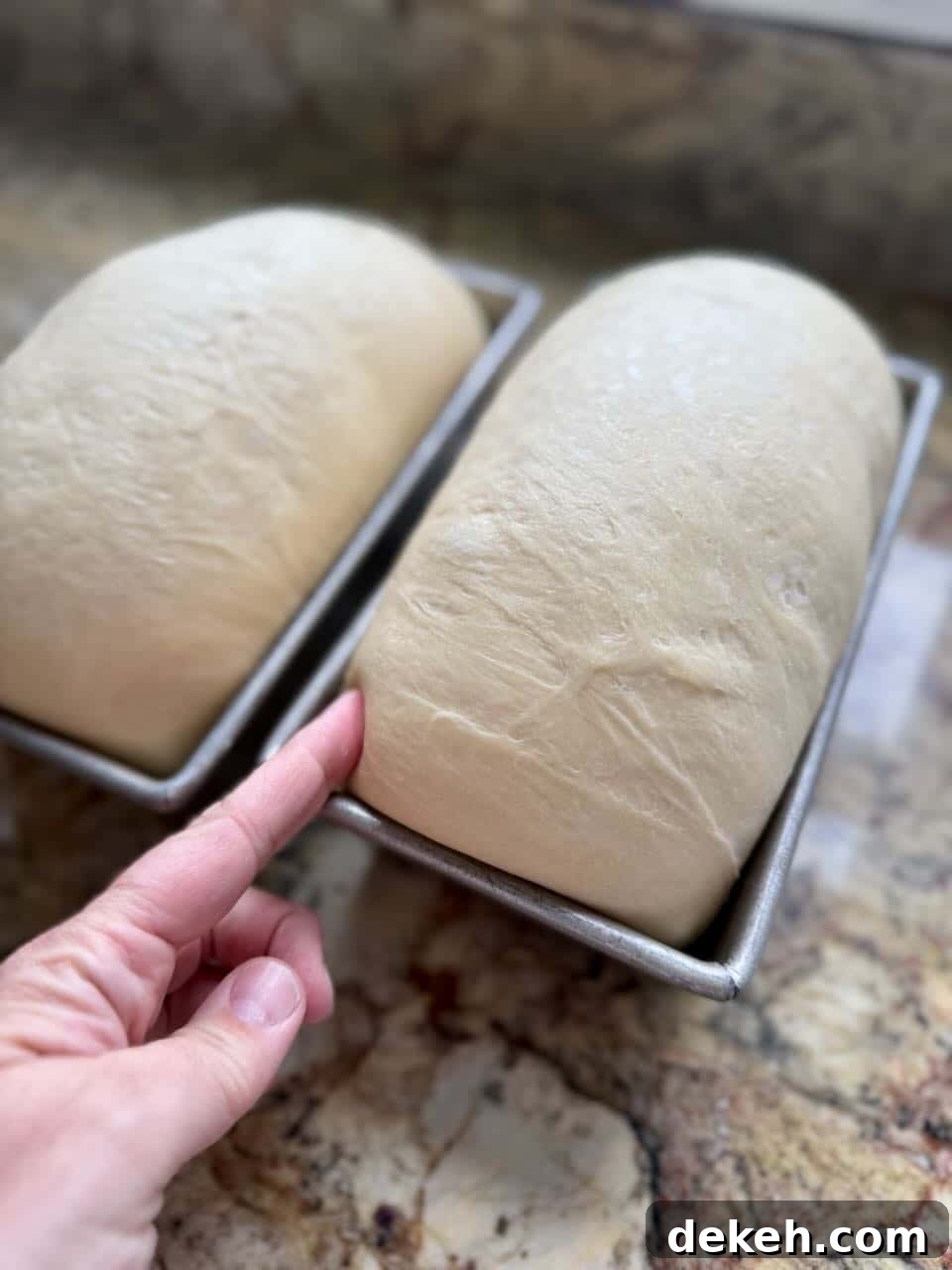
After shaping, plan on 2–4 hours of proofing at a warm room temperature (around 80–85°F or 27–29°C) until the dough is light, airy and jiggles slightly when moved. Proper proofing is signaled by a dough that feels buoyant and holds an indentation when pressed gently—if it springs back too quickly, it needs more time.
Common Mistakes When Replacing Yeast with Sourdough Starter
Expect differences: sourdough won’t always behave like commercial yeast. The biggest mistake is expecting identical behavior and timing. Be patient and learn to read dough rather than relying solely on clocks.
Size isn’t the only indicator: many sourdoughs, especially enriched ones, won’t double during bulk fermentation. Instead, watch for improved elasticity, surface bubbles, and a lighter texture.
Starter hydration varies: because starter contributes both flour and water, dough may feel wetter than the original recipe. It’s normal to adjust by adding a small amount of flour during mixing if needed. Over time you’ll learn your starter’s characteristics and how much to tweak.
Popular 100% Sourdough Recipes
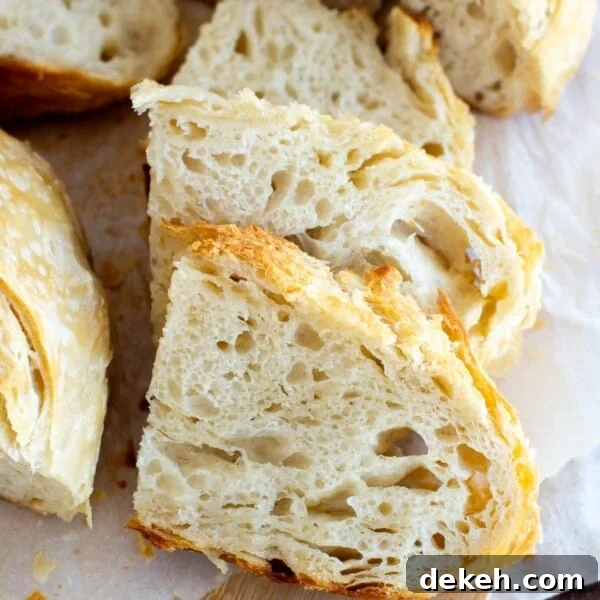
Sourdough Croissant Bread
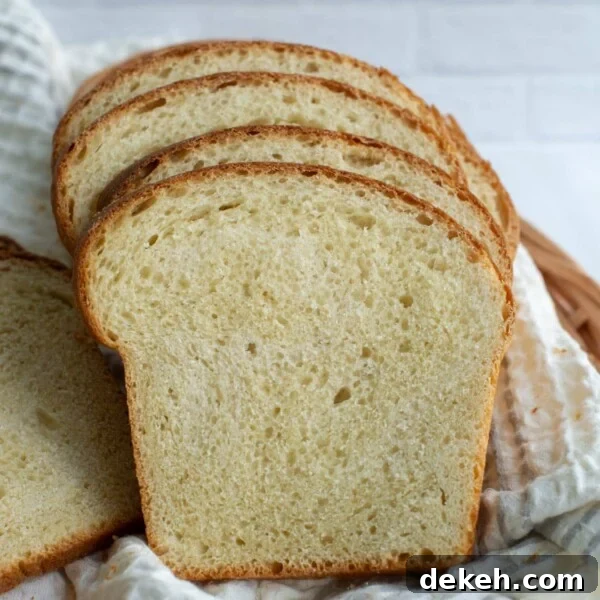
Soft Sourdough Sandwich Bread
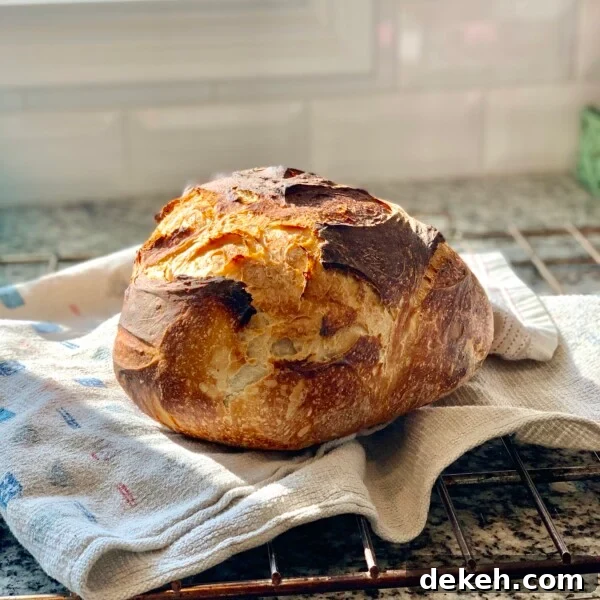
Beginner Sourdough Bread

The Best Sourdough Cinnamon Rolls
You can convert most commercial-yeast recipes into natural-yeast recipes by following these adjustments: determine total flour, decide a starter percentage, subtract the starter’s flour and liquid from the recipe, and allow more time for fermentation and proofing. Beyond the leavening benefits, sourdough brings deeper flavor and improved digestibility for many bakers. If you enjoy exploring sourdough, try different starter percentages and fermentation schedules to find what best suits your taste and routine.
Helpful Sourdough Resources
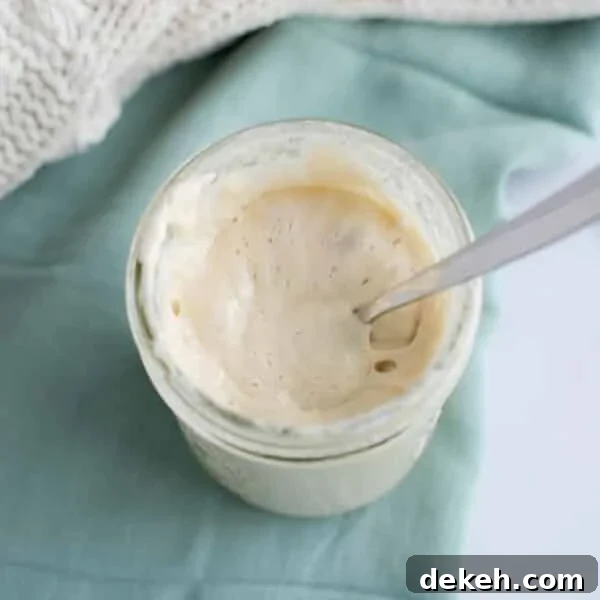
How to Feed and Maintain a Sourdough Starter
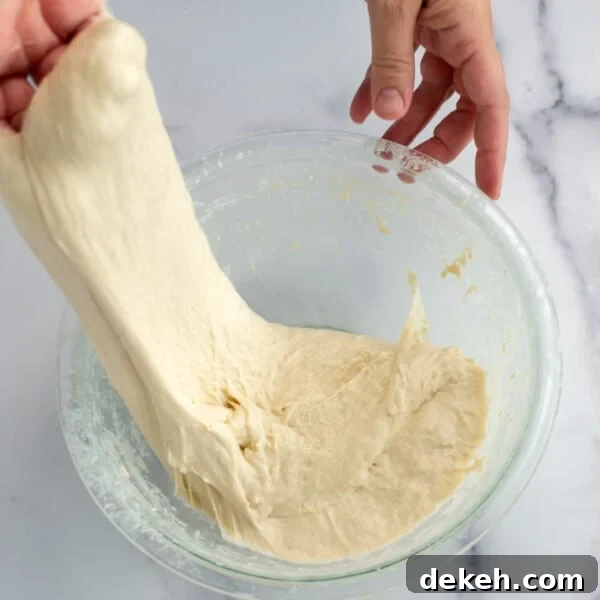
Understanding Sourdough Hydration
Sourdough Timeline for Beginners: How To Fit It Into Your Day

Why Your Sourdough Isn’t Working (And How to Fix It)
Sourdough Beginner Guide
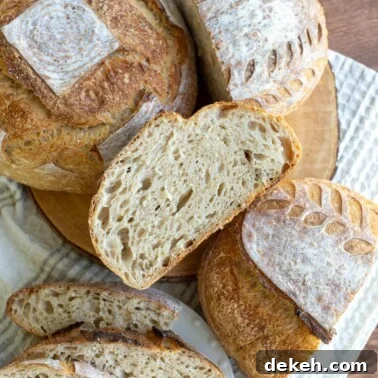 What is Sourdough?
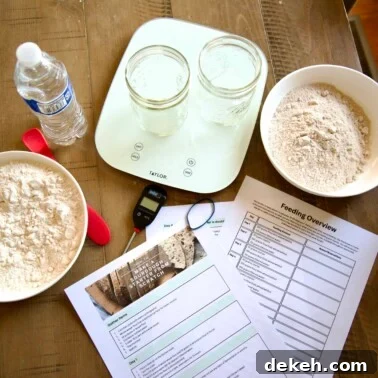 How to Make a Sourdough Starter From Scratch
 How to Feed and Maintain a Sourdough Starter
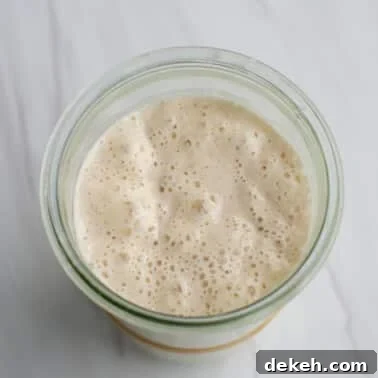 When Is Sourdough Starter Ready to Use?
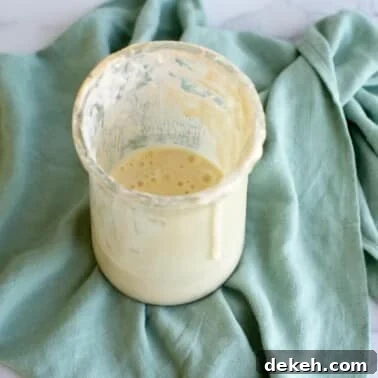 What is Sourdough Discard?
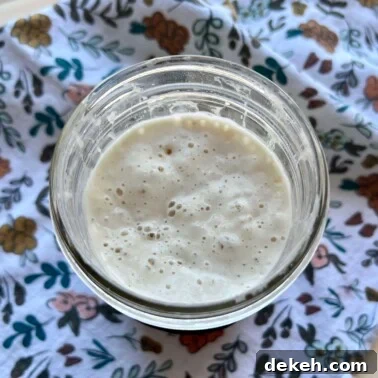 What Is a Levain? Starter vs. Levain Explained
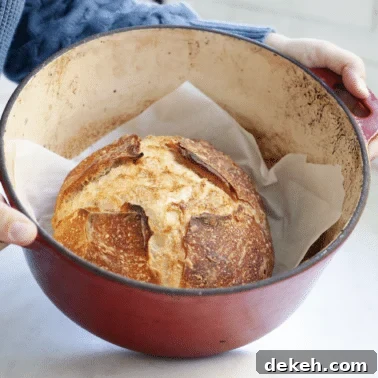 Sourdough Timeline for Beginners
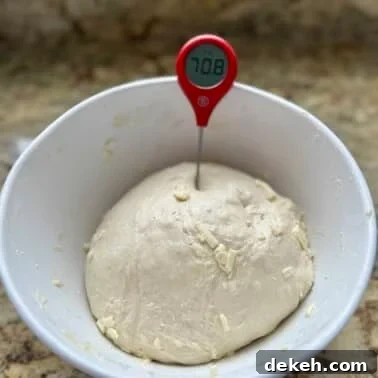 How Temperature Affects Sourdough
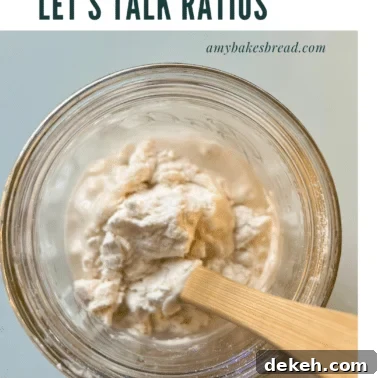 Sourdough Starter Ratios Explained
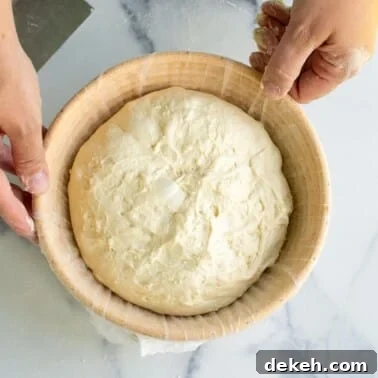 Sourdough Tools: What You Actually Need
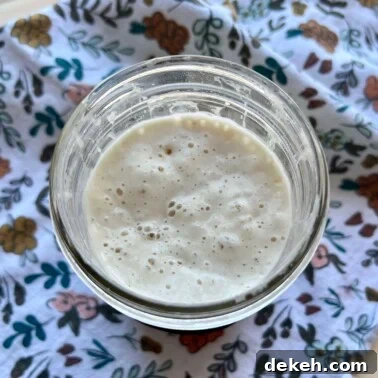 Sourdough Frequently Asked Questions
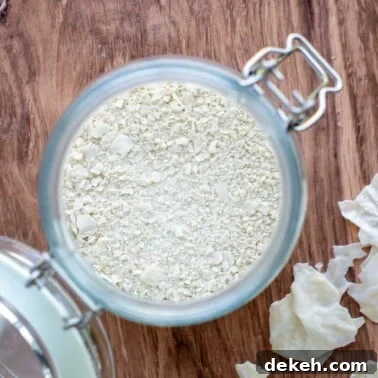 How to Dehydrate and Rehydrate Starter
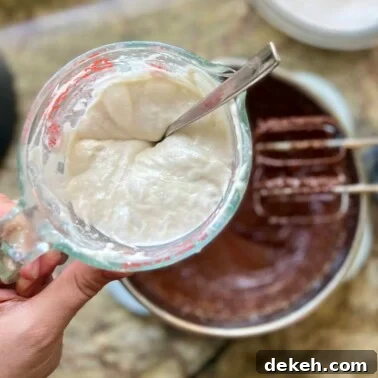 How to Add Sourdough Discard to Any Recipe
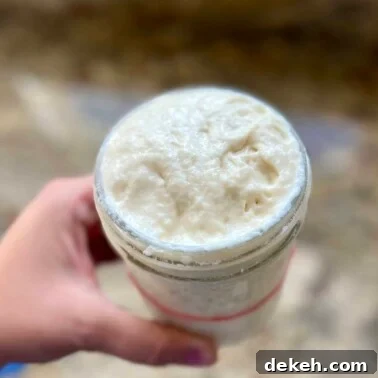 How to Replace Yeast with Sourdough Starter
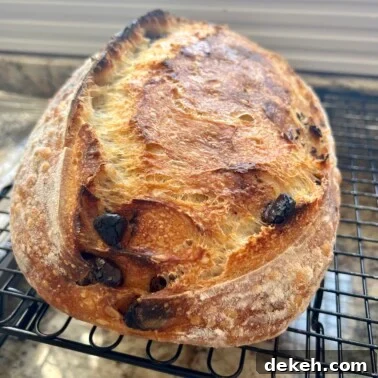 Adjusting the Sour Flavor in Sourdough
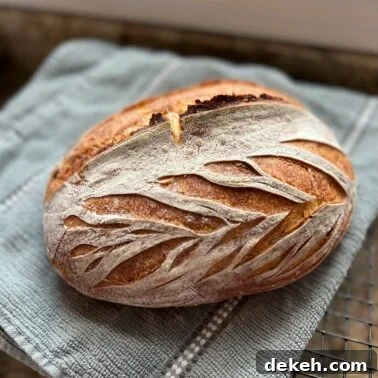 Sourdough Artisan Bread Guide
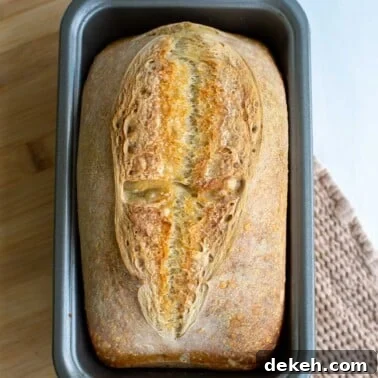 How to Bake Sourdough in a Loaf Pan
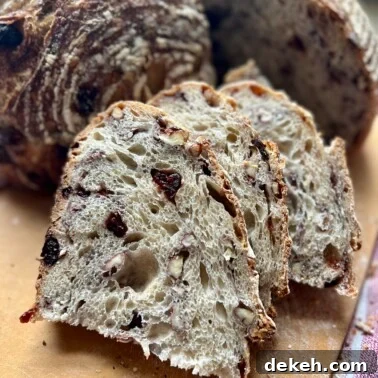 Adding Inclusions to Sourdough
Need More Help? Consider taking a structured sourdough class or following step-by-step courses that focus on technique, timing, and troubleshooting to build confidence and improve results.
Looking for in-depth sourdough instruction?
If you want guided lessons, video instruction, downloadable recipes, and a community to ask questions, a comprehensive online sourdough course can accelerate your learning. Look for courses that include both beginner and advanced recipes, clear timelines, and troubleshooting tips.
- Step-by-step instruction for beginner and advanced recipes
- Several hours of video demonstrations
- Community or forum support for troubleshooting
- Downloadable recipe PDFs and reference materials
- Practical techniques to make consistently excellent sourdough