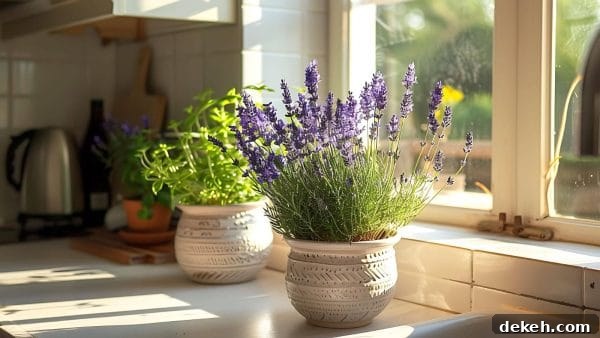
In Provence, the air itself seems infused with herbs. Lavender perfumes sunlit fields, rosemary tumbles over stone walls, and thyme rides the breeze. For generations these plants have been more than mere ingredients—they are woven into daily life, used in cooking, medicine, and local customs. Their aromas recall both rustic farmhouse kitchens and the refined stalls of French markets.
You don’t need to fly to Marseille to enjoy that atmosphere. With a few thoughtful choices, you can evoke the spirit of Provence in your garden, on a terrace, or even on a small balcony.
CLASSIC PROVENÇAL HERB GARDEN
A classic Provençal herb garden centers on aromatic, drought-tolerant plants that both perfume the air and flavor the kitchen. Common choices include rosemary, thyme, lavender, and sage. To recreate this look, choose herbs based on mature size and habit, and arrange them so each plant has room to grow and spread.
These Mediterranean herbs prefer full sun and sharply drained soil. Water moderately and allow the soil to dry between irrigations to avoid root rot. Regular pruning keeps plants compact, encourages bushier growth, and prevents them from becoming woody. Harvest often—cutting stems stimulates new growth and supplies fresh herbs for cooking and drying.
POTTED HERB GARDEN
Potted herb gardens are ideal for small spaces. Start with containers large enough for the mature root systems; terracotta pots are a traditional and attractive option that also help soil dry out between waterings. Group pots for a cohesive look, placing taller herbs like rosemary and bay at the back and low-growing thyme or chives at the front.
Potted herbs dry out faster than those planted in the ground, so check soil moisture regularly and water when the top inch feels dry. Ensure good drainage by using pots with holes and a well-draining potting mix. Feed with a balanced, water-soluble fertilizer during the growing season to keep plants vigorous. With proper care, a cluster of containers can provide a fragrant, useful garden on a balcony, patio, or windowsill.
VERTICAL PROVENCE HERB GARDEN
Vertical herb gardens make efficient use of limited space and bring greenery to walls and fences. Use structures like trellises, stacked planters, pallet frames, or pocket planters to hold multiple plants. Position herbs so each receives adequate light and air circulation, and choose varieties suited to shallow soil pockets if space is tight.
To reinforce a Provençal aesthetic, select a color palette of warm terracotta tones, pale yellows, and lavender purples in your pots and accents. Rustic finishes, weathered wood, or simple vintage-style labels enhance the regional feel. A vertical arrangement can become both a productive herb source and an attractive living wall.
CULINARY PROVENCE HERB GARDEN
A culinary Provençal garden prioritizes herbs used in classic regional dishes: thyme, rosemary, basil, savory, and lavender for sweet or savory treatments. Growing these herbs at home means fresh flavors for ratatouille, herb-crusted meats, soups, and marinades.
Harvest herbs in the morning when essential oils are strongest. Clip selectively—never remove more than about one-third of a plant at a time—to keep plants healthy. Use fresh sprigs in cooking or dry stems for later use; lavender also makes a fragrant infusion or a floral honey when combined with sugar or simple syrup. Small rituals like tying bunches to dry in a cool, airy spot help preserve aroma and flavor for months.
Whether you build a formal patch, a collection of containers, a vertical installation, or a kitchen windowsill herb station, focus on sunlight, drainage, and regular pruning. Those simple practices will reward you with a living corner of Provence: fragrant, resilient plants that lift both your meals and your outdoor space.