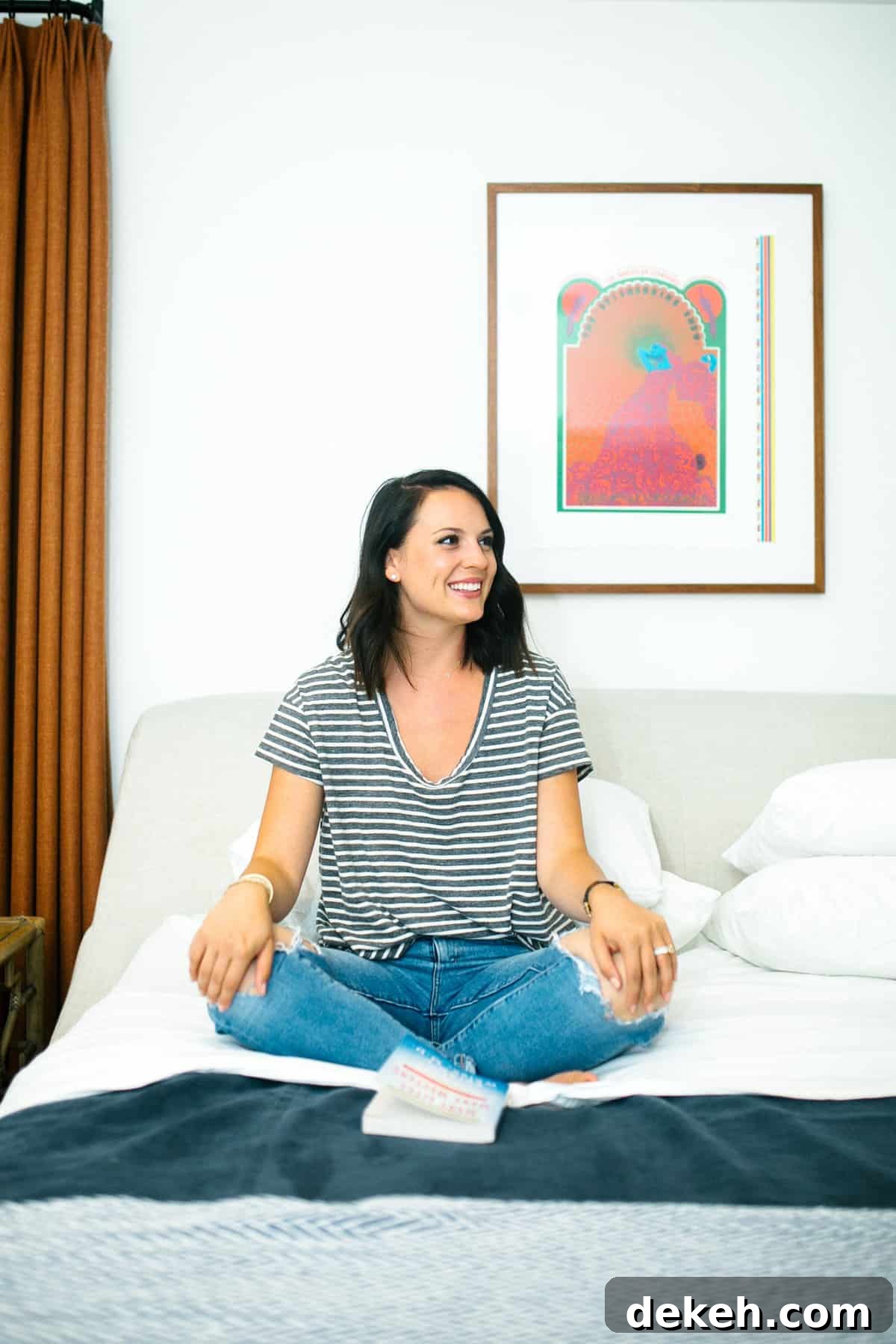
Anxiety is honestly the worst. After living with it for over four years, I still struggle to wrap my head around where it comes from and why it can hit so hard. I’ve mentioned my anxiety on social media and many of you asked for a blog post about it, so here it is: my experience with anxiety—from the first panic attack and common triggers to the non-medication strategies that have helped me manage it.
I didn’t grow up with clinical anxiety. Sure, I got nervous before tests or races, but that’s very different. The real problem started after I had my first daughter. Parenthood changed things for me, and when anxiety arrived, it arrived suddenly and intensely.
My first panic attack happened at my bachelorette party in Miami. I’d flown there after having my daughter and on the second day something flipped—maybe it was separation anxiety, maybe exhaustion or a hangover, probably a combination. I remember thinking I was dying and that I would never see my daughter again. I was terrified.
That was only the beginning. I made it home, but anxiety became part of my life. At times the fear of having another attack caused more attacks. The episodes worsened to the point where I struggled to breathe and even fainted once. It was overwhelming.
For me, anxiety is rooted in fear. I’ve always been a worrier, but adulthood and parenthood amplified it. I often feel like I’m stuck in a constant state of fight-or-flight, which is emotionally draining. Much of my anxiety centers on catastrophic thoughts: What if I die and my children grow up without me? What if something happens to one of my kids? What if my husband dies and I can’t cope? When anxiety is severe, my mind invents bleak scenarios that feel all too real. I’m also intensely afraid of flying, which triggers its own anxiety pattern—another topic for another time.
After about my fourth panic attack, I saw a psychiatrist. He didn’t just prescribe medication; he explained what I was experiencing and helped me understand anxiety from a clinical perspective. I told him I preferred not to rely on medication full time, so he prescribed an as-needed anti-anxiety medication. For a while, taking it sporadically—maybe once or twice a month—was enough. Then last October I hit a rough patch and experienced a series of attacks that required medication every six hours for about a week. That was a wake-up call: things had to change.
Recovery has been a long journey with ups and downs. If you’re where I once was, know that improvement is possible. For me, consistent self-care made a big difference. I’m not a medical professional, but I want to share what helped me in case it might help you too. Different methods work for different people, so consider these as possibilities rather than prescriptions.
First, acknowledge that you have anxiety. Accepting it is the first step toward managing it. Self-care must go deeper than temporary fixes like drinking wine or grabbing a pill to relax for the night—those approaches often make things worse the next day. I had been taking care of my family and neglecting my own needs, so I made a conscious shift to care for myself as well. That change improved my overall well-being and made me a better parent.
My psychiatrist recommended yoga and meditative breathing practices. I was lucky to have a friend who is a skilled instructor and healer. She introduced me to pranayama, a breath-centered practice that isn’t like typical yoga classes. Pranayama breathing exercises have been one of the most effective tools for calming my anxiety, and I still practice them at least once a week. If you try breath work, commit to it consistently and give it time to work.
Diet and alcohol habits also mattered. I believe strongly in the connection between gut health and mental health. When my body felt cleaner, my mind felt clearer. After that difficult fall, I completed a Whole30 to reset my eating and reduce inflammation and mood swings. I used to have a glass of wine nightly to relax, but that was a short-term pacifier—my anxiety would rebound the next day. I still enjoy wine, but now I reserve it for weekends and special occasions. I also avoid excessive sugar, which tends to exacerbate my anxiety. If you haven’t tried a nutritional reset like Whole30, it might be worth researching to see if it fits your needs.
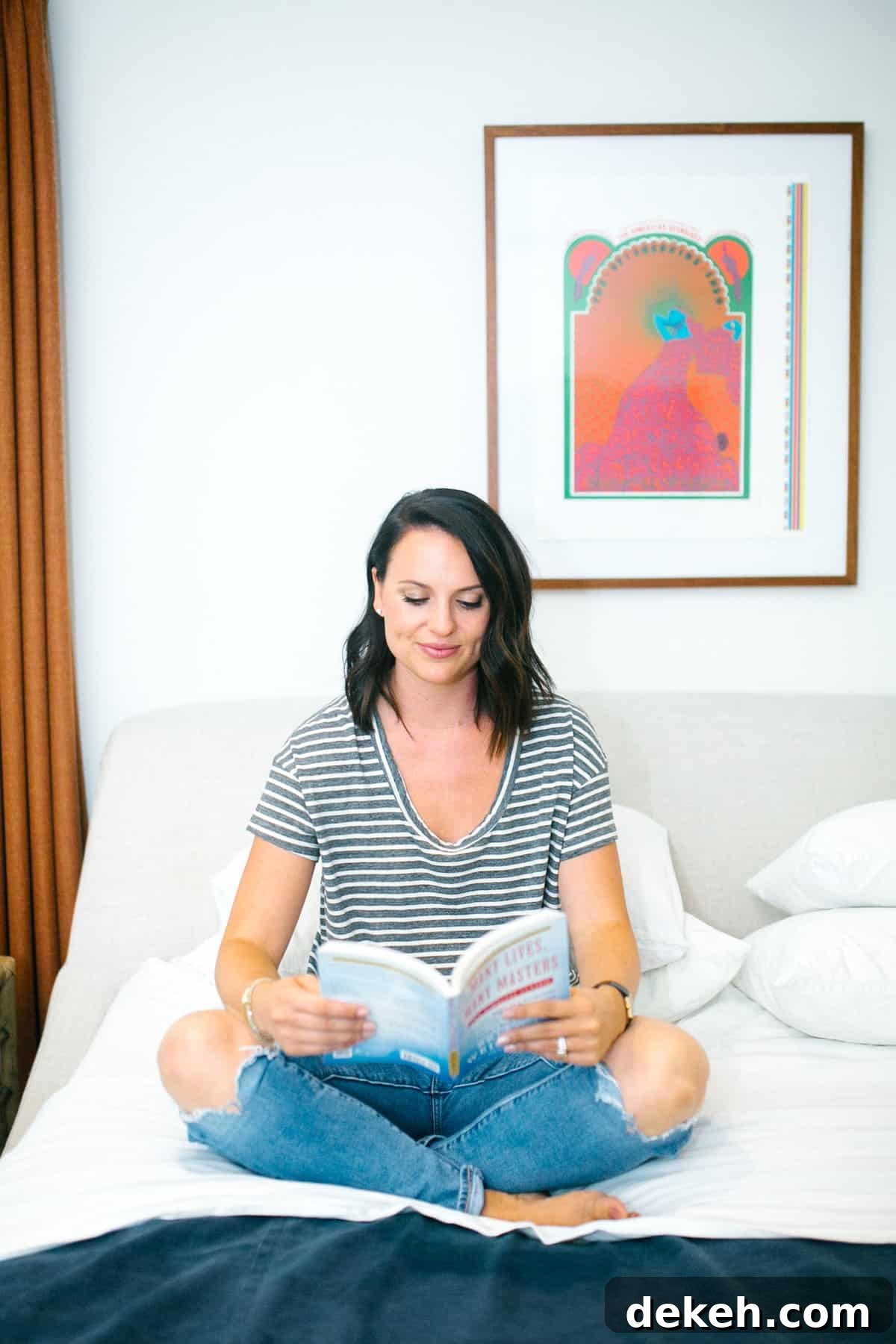
Another nontraditional resource that helped me was the book Many Lives, Many Masters by Dr. Brian Weiss. It’s not for everyone, but the perspectives in that book opened my mind in ways that supported emotional healing and eased my anxiety.
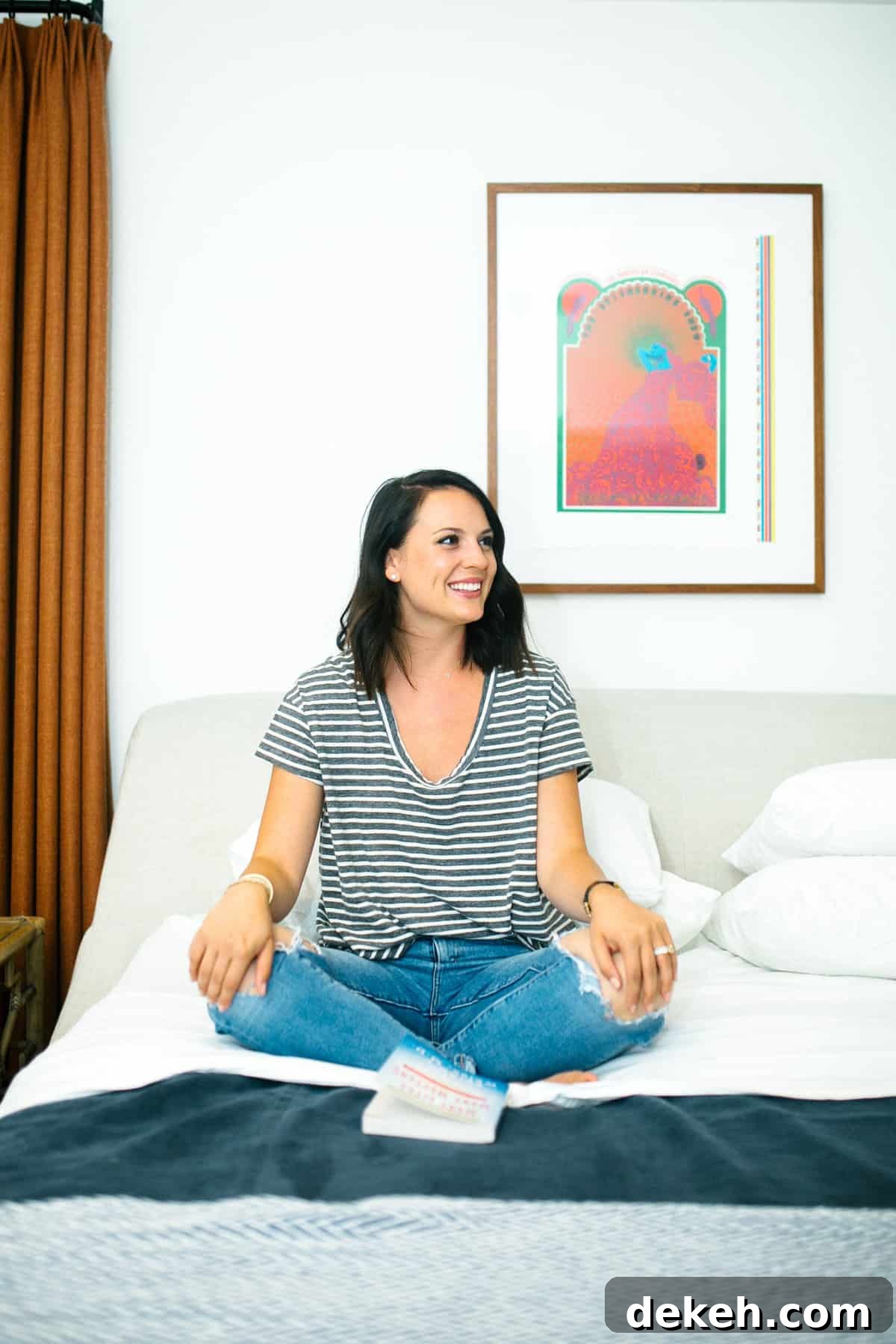
Other practical strategies I use when anxiety flares:
- Reading at night. Books are a healthy distraction that get me away from screens and shift my focus to another world, helping my mind relax.
- Taking a hot bath. I take a warm bath most nights; the heat and quiet time help reduce physical tension and calm my nervous system before bed.
- Going for a walk. Fresh air and gentle movement break the cycle of rumination and often lift my mood.
- Using a calming balm. I carry a soothing balm for tension in my shoulders and chest—massaging it in helps release physical stress and brings immediate relief when I’m tense.
- Doing creative work. Creativity has a measurable link to better mental health. My blog became a meaningful outlet and source of healing—pursuing passions can provide purpose and reduce anxiety.
I’m proud to say I haven’t taken an anti-anxiety pill in nine months, even when flying, though I still keep medication in my bag “just in case.” That progress feels huge. If you have anxiety, I understand how frightening and overwhelming it can be. Take a stand against it: don’t merely mask symptoms. Practice strategies, prepare a plan for when an attack comes, and build resilience over time. Anxiety doesn’t have to win.
Everyone’s path is different. I stopped using daily medication because I found natural strategies that work for me, but I’m not against medication—if you need it, please consult a medical professional to find the right approach. Professional guidance is important when anxiety is severe.
Thanks for reading. Writing this was not easy, but I hope sharing my story helps someone feel less alone. If you want me to expand on any part of this post, comment below—I’m an open book and happy to share more.