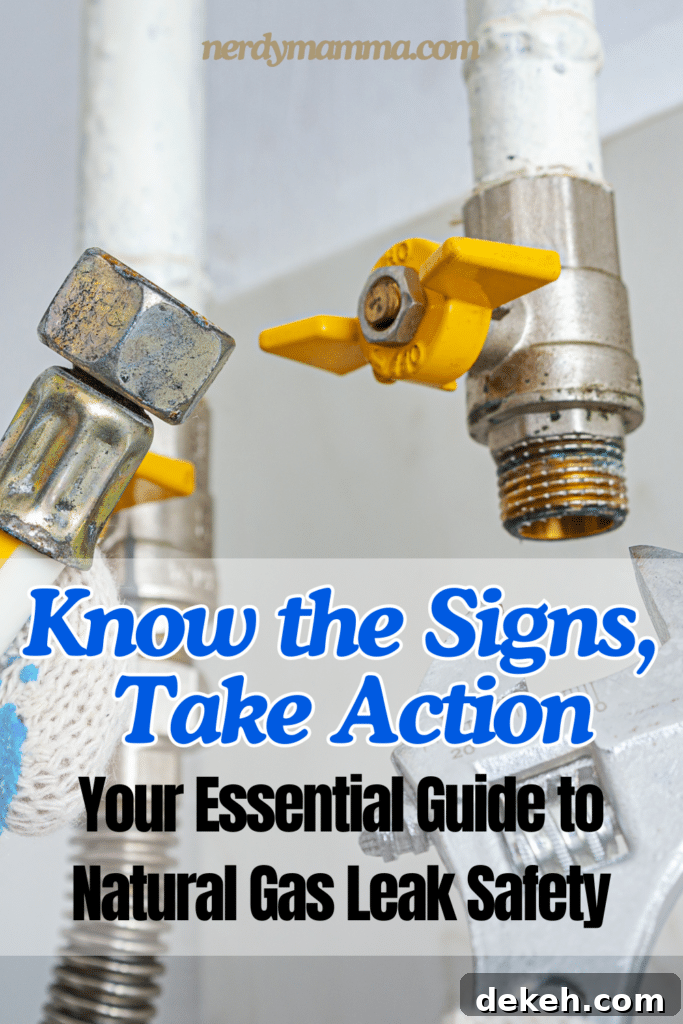
Gas leaks are a dangerous risk for both homes and businesses. From the faint odor of gas to unexpected changes in energy bills, recognizing the warning signs of a natural gas leak is vital to protect people, property, and pets. This guide covers the key indicators to watch for, the immediate actions to take if you suspect a leak, and practical steps to prevent future incidents. Stay calm, act quickly, and prioritize safety.
Identifying the Indications of a Natural Gas Leak
Natural gas powers many household systems—heating, water heaters, stoves, and some generators. While modern systems are designed to be safe, leaks can still occur. The most recognizable sign is a sulfur-like odor often described as rotten eggs. Utilities add a chemical called mercaptan to give natural gas this scent so leaks are easier to detect.
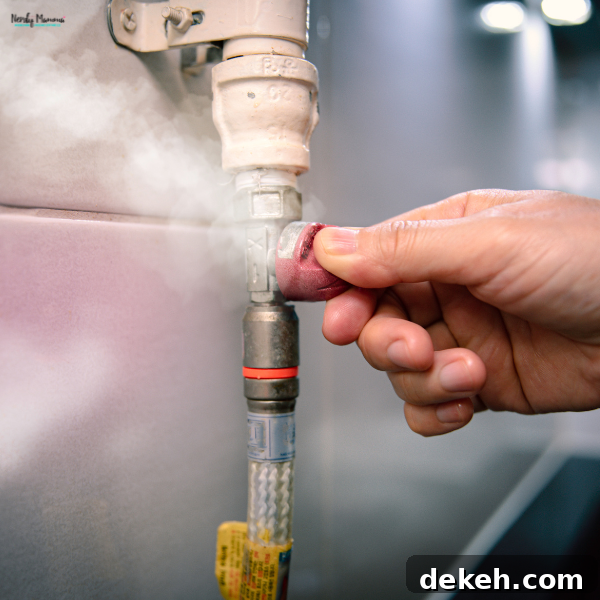
Other common indicators include a hissing or whistling noise near gas lines or appliances, which suggests gas escaping under pressure. You may also notice dead or discolored plants or grass near an outdoor gas line; leaking gas can displace oxygen in the soil, harming vegetation. Indoor signs can include dizziness, headaches, nausea, or an unusual metallic taste—symptoms that should prompt immediate attention.
Routine inspections and timely professional maintenance of gas lines and appliances greatly reduce the chance of sudden failures. Consider installing reliable natural gas detectors and carbon monoxide alarms in key locations—near gas appliances, in basements, and in sleeping areas—to provide early warning. These devices add an extra layer of protection and help detect leaks that might not be obvious by smell or sound alone.
Immediate Actions to Take
Do not use electrical devices
If you suspect a gas leak, avoid turning on or off electrical devices, including light switches, phones, and thermostats. Electrical sparks from switches or appliances can ignite gas and cause an explosion. Instead, leave doors and windows closed only if it is unsafe to open them from the inside; if you can ventilate the area safely from outside, allowing fresh air to reduce concentrations can help.
Evacuate the area
Leave the building immediately and make sure everyone else does the same, including pets. Move to a safe location upwind and away from the structure. Evacuate calmly and systematically to avoid panic—check bedrooms, common areas, and any enclosed spaces where occupants might be unaware of the leak. Do not attempt to locate or repair the leak yourself; your priority is to get everyone to safety.
Once at a safe distance, account for all family members and visitors. Having a pre-arranged meeting spot outside the home helps you confirm everyone is safe and informs first responders if someone is missing.
Contact Authorities
After evacuating, use a mobile phone or a neighbor’s phone to call emergency services and your gas company to report the suspected leak. Provide clear details about the location, any odors, sounds, and visible signs like dead vegetation. Emergency responders and utility crews will assess the situation, isolate the source, and make necessary repairs.
Do Not Attempt to Fix the Leak Yourself
Never try to repair a gas leak on your own. Gas systems require specialized tools and training; attempting repairs without proper expertise can cause fires, explosions, or exposure to toxic gases. Wait for qualified technicians to evaluate and fix the issue. They will shut off the gas supply if needed, test for residual leakage, and restore service only when it is safe.
Safety Precautions to Prevent Future Gas Leaks
Preventing gas leaks is a matter of regular maintenance, proper installation, and awareness. Follow these practical precautions to reduce risk:
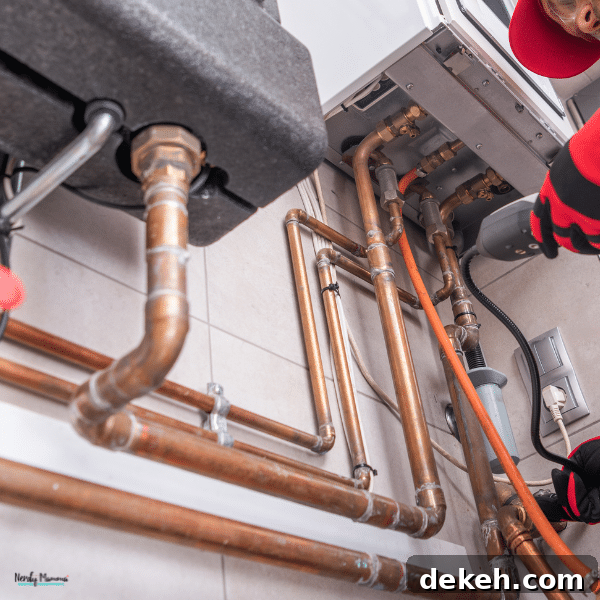
- Schedule annual inspections with certified technicians to check gas appliances, connections, and venting. Early detection of wear, corrosion, or improper installation prevents larger problems.
- Install and maintain natural gas and carbon monoxide detectors. Test them monthly and replace batteries as recommended by the manufacturer.
- When installing or repairing gas lines, always hire licensed professionals. Proper installation and code-compliant repairs reduce the likelihood of leaks and often include guarantees or warranties.
- Keep flammable materials and stored items away from gas appliances and meters. Maintain clear access to the gas shutoff valve and utility meter for emergency use by you or responders.
Community Safety Measures
Community action strengthens overall safety. Encourage neighbors to install detectors, share best practices, and participate in safety workshops or drills. Local groups or homeowner associations can organize informational sessions that cover how to recognize signs of a leak and what to do in an emergency.
- Coordinate neighborhood safety drills so residents know evacuation routes and meeting points.
- Create and distribute an emergency contact list with utility and local emergency numbers for quick communication.
- Provide simple educational materials that explain signs of a leak and steps to take, helping families and children understand how to respond.
Vigilance, preparation, and timely professional intervention are the best defenses against the dangers of natural gas leaks. By recognizing warning signs, evacuating safely, and relying on trained technicians for inspections and repairs, you can protect your household and community from preventable harm.