
My experience with HALO™, the world’s first Hybrid Fractional Laser (HFL). This is my personal account—everyone’s skin responds differently, especially Asian skin. If you’re considering this treatment, please consult a medical professional.

I’ve updated this post several times with progress photos toward the end, so keep scrolling if you want to see the results over time. Warning: I include graphic images showing my face after the procedure.
This was my experience; yours might differ. You may experience less bleeding or different side effects. Consider this an honest account, not medical advice.
WARNING
I’m showing graphic images of my face after the treatment. Proceed with caution.
To explain why I pursued HALO, a bit of background: I spent a lot of time in the sun during high school and my twenties, often prioritizing a tan over protection. By 2014, after living in Madison, Wisconsin for about a year, dark spots—likely sun spots or melasma—began appearing on my cheeks, right at the highest points of my face. At that point I’d been wearing sunscreen and caring for my skin, so it was upsetting to see the discoloration.
I chose HALO because I wanted those spots lightened so I could feel comfortable wearing minimal coverage like a tinted sunscreen. I was tired of relying on heavy makeup to hide them—that motivated my decision.
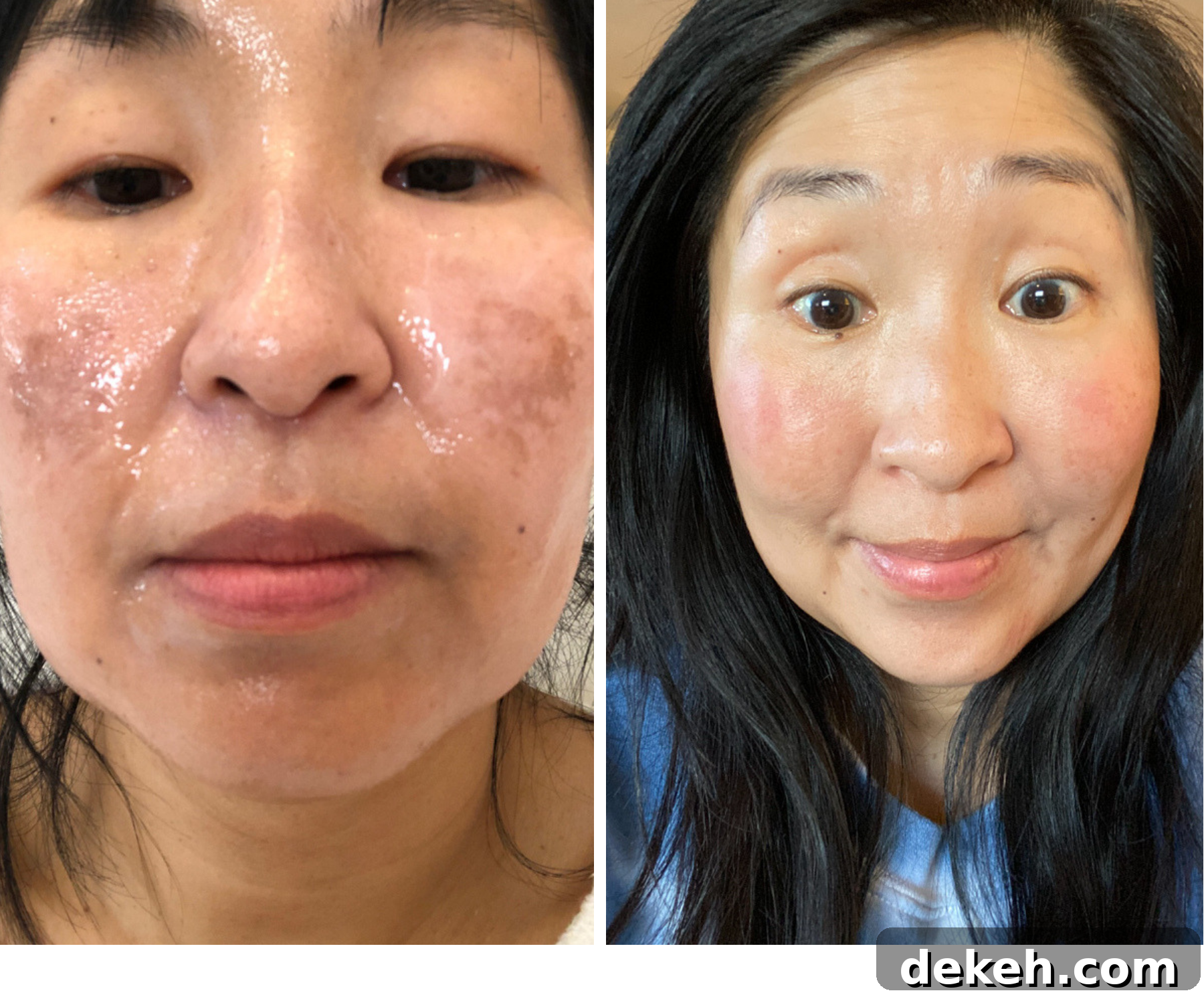
Photo taken Tuesday, 9/24/2019, immediately before the HALO procedure. I had numbing gel on my face, which made it puffy. You can see the darker sun spots on my cheeks—the primary reason I sought treatment.
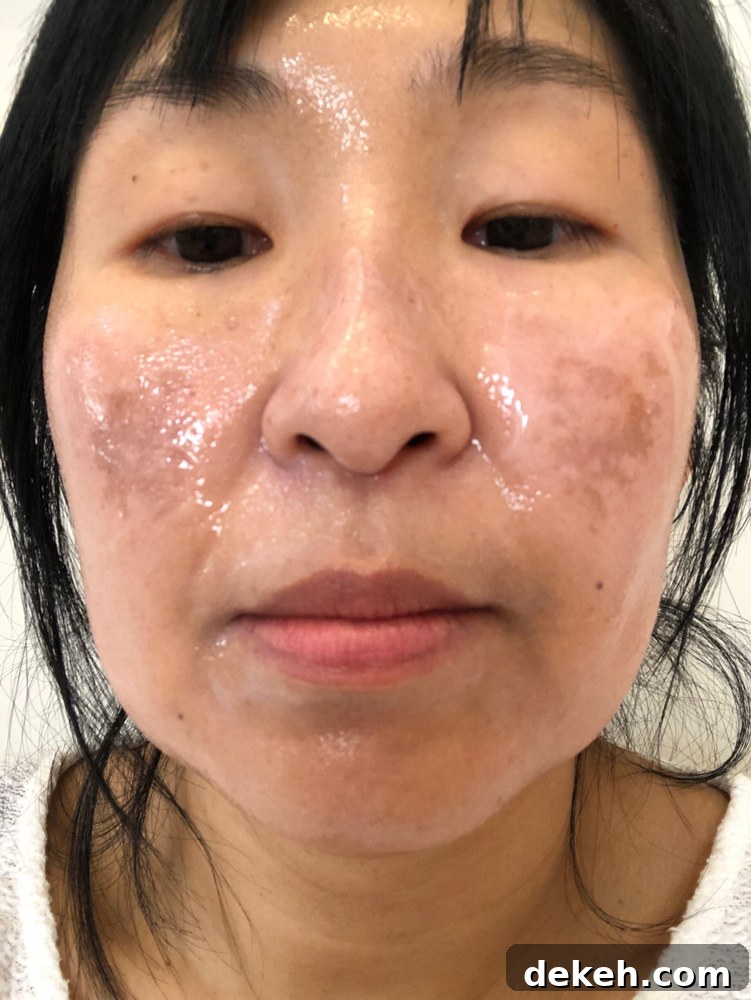
In 2014 I initially treated my spots with BBL (Broadband Light) at a clinic affiliated with UW Health. After a few sessions the spots actually darkened. In hindsight I should have started with topical creams and ointments first, then progressed to laser treatments if needed. Instead, I spent several years trying a range of options—hydroquinone, retinols, chemical peels, microdermabrasion and even a VI Peel. My spots would lighten in winter and darken in summer; managing them became ongoing work.
In 2018 I found a practice in Illinois and began using products recommended by that office, which helped. After a trip to Hawaii my spots worsened despite sunscreen and hats. I had one laser treatment at the new office and then, before moving to Philadelphia, we discussed HALO as the next option.
My Experience with HALO
HALO™ is a hybrid fractional laser that delivers both deep dermal rejuvenation and superficial resurfacing. It’s customizable to treat multiple concerns while offering a shorter recovery than more aggressive lasers. I had the procedure on a Tuesday and began peeling around Saturday night; the photos below show results as early as Day 5–6. Remember this is my experience and outcomes can vary.
I connected with a practice in Pennsylvania and Tara Avidar, a clinical aesthetician, performed the treatment. Prior to the procedure she gave me an Intensive Pigment Eraser from PCA Skin to use on my cheeks for a couple of weeks. That pre-treatment likely contributed to more oozing and sensitivity during recovery.
The procedure: I requested the strongest topical numbing available and also used laughing gas to help with anxiety. Even with numbing and gas the procedure was painful—described as pricking and burning sensations across the face. Afterward I was provided a kit with a pain-relief gel, a gentle cleanser and a healing cream. Tara warned the face would swell and ooze; she was right.
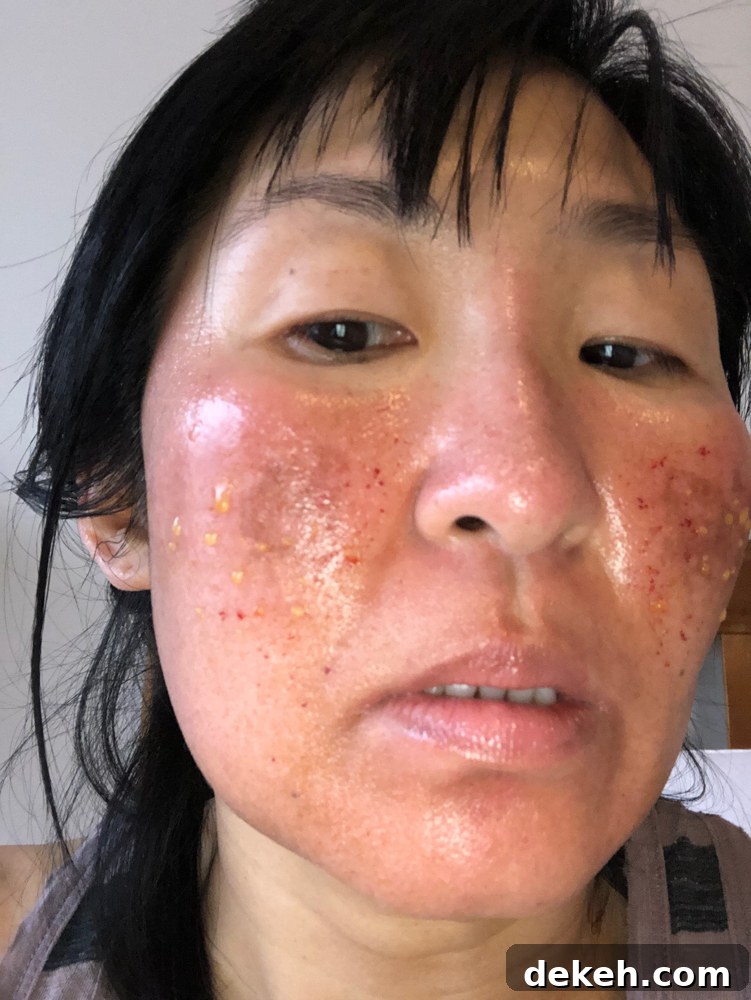
Because of the pre-treatment product, my cheeks oozed and bled for a couple of days. The first afternoon and evening were painful—like my face was on fire—and I spent that time dabbing the ooze and trying to stay calm.
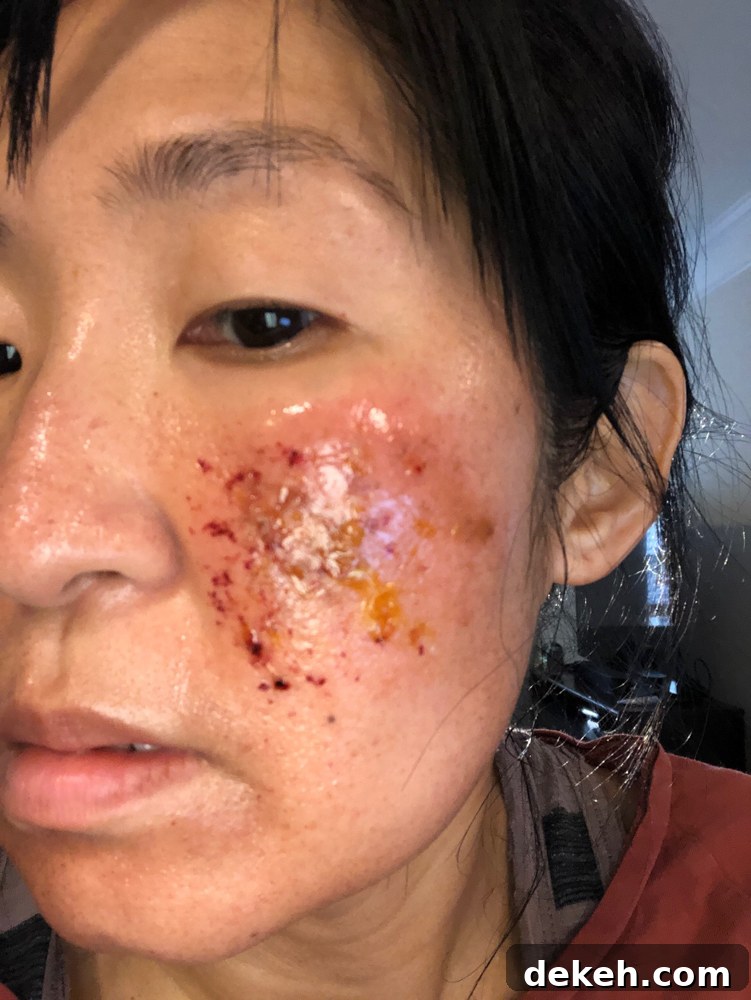
Recovery timeline
Day 1: Very red, swollen and oozing.
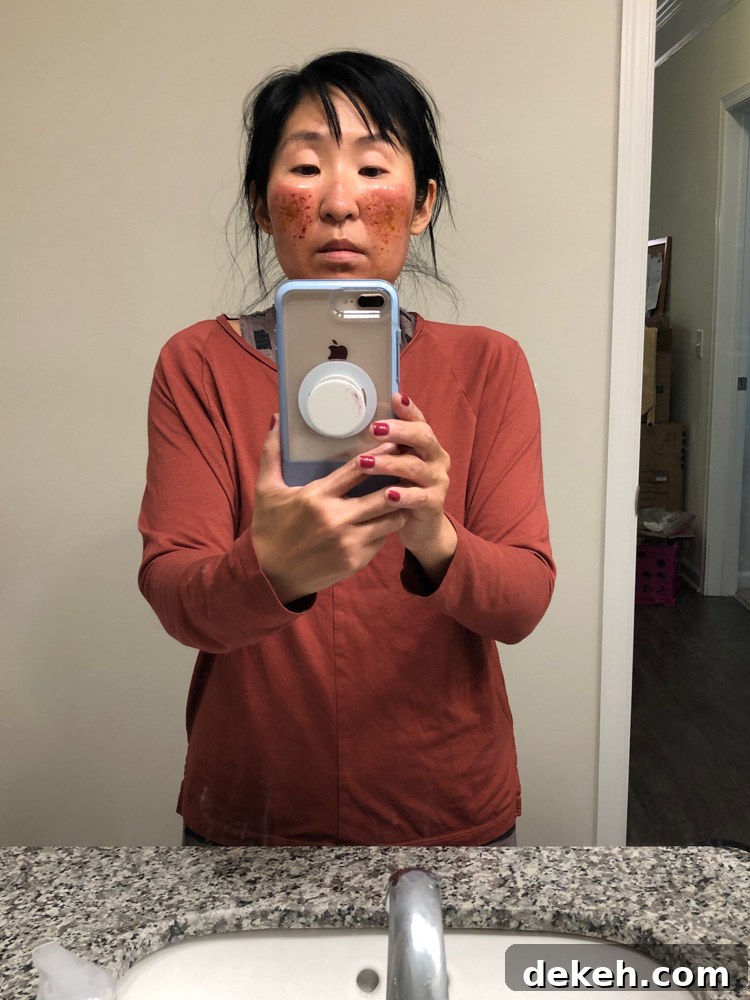
Day 3–4: MENDS (microscopic epidermal necrotic debris) began to appear. These tiny crusted areas contain pigment and can make skin look bronzed until they naturally shed. I avoided touching or picking at them and followed the healing protocol provided by my clinician.
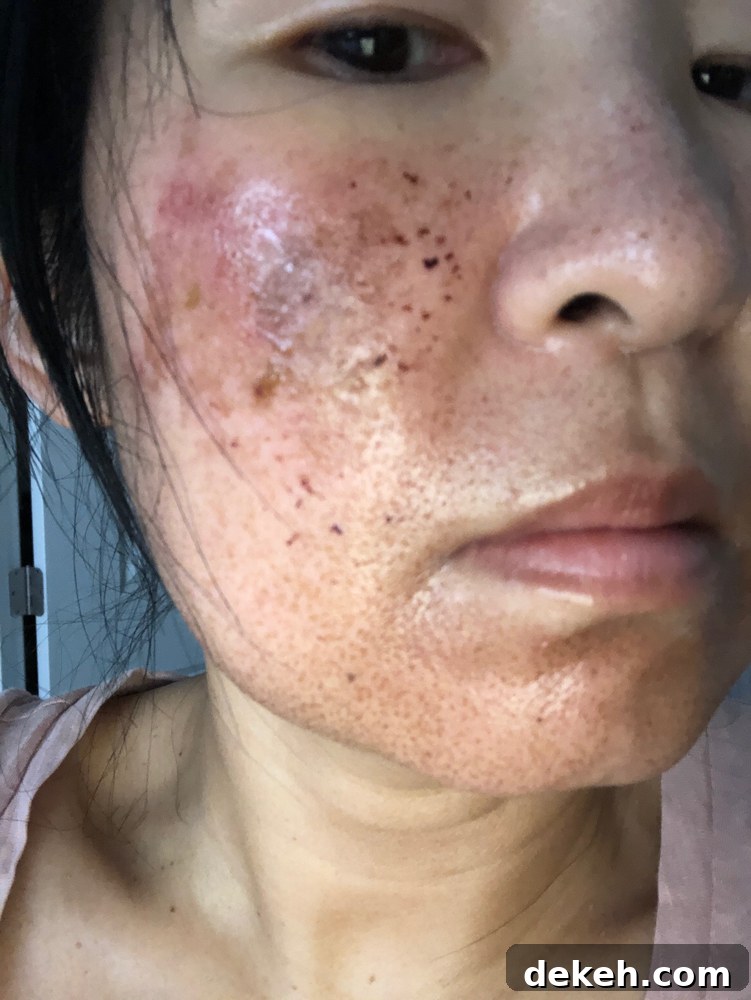
By late Saturday night (Day 5) my cheeks began to peel significantly. On Sunday afternoon (Day 6) most of the superficial peeling had come off and underlying smoother skin was visible, though some areas still needed to slough.
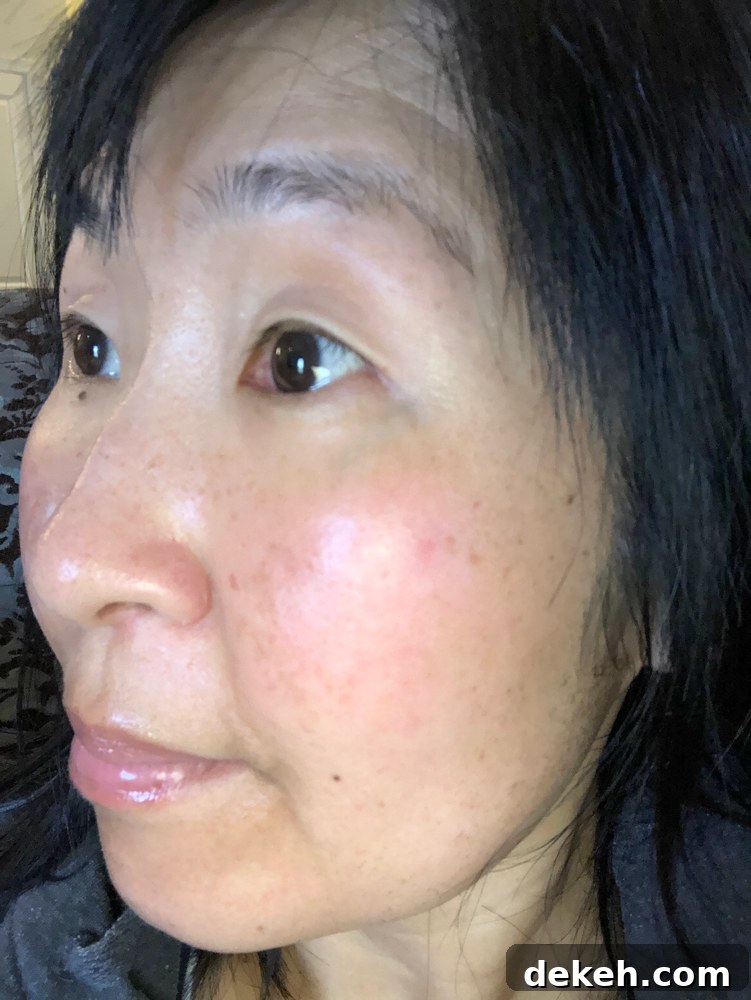
Photos below illustrate additional stages of peeling and recovery.
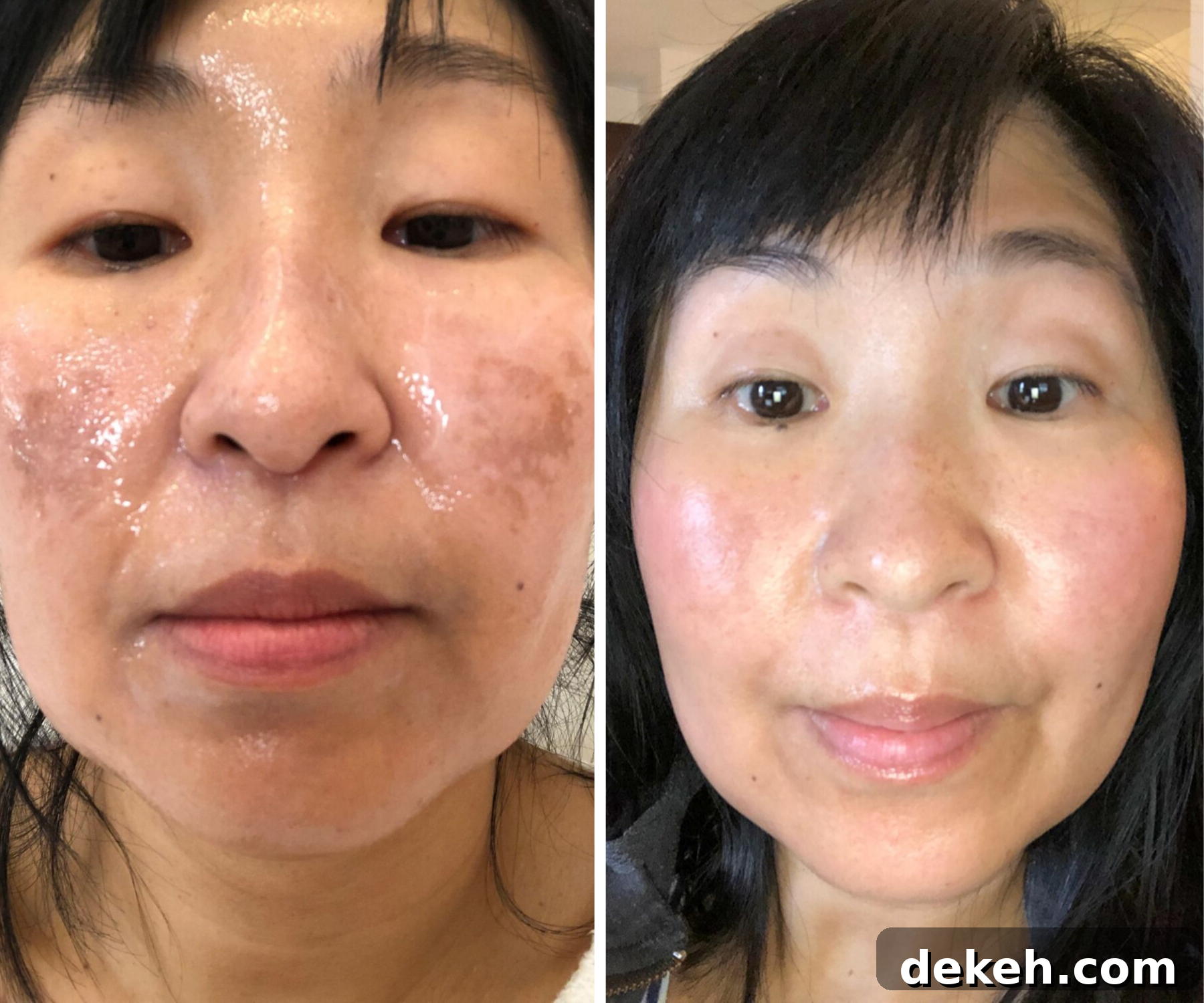
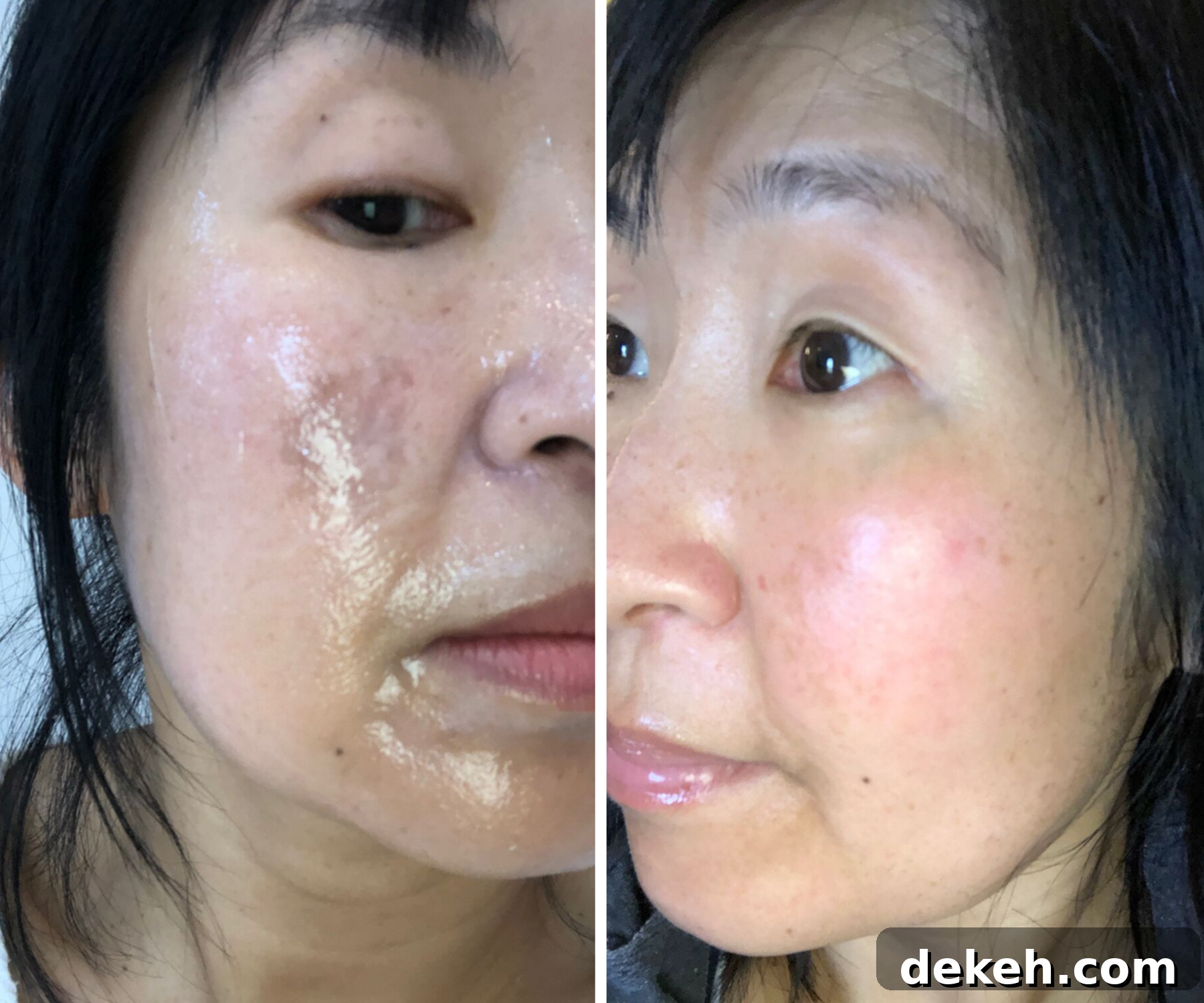
If you schedule HALO, plan it for a week with minimal commitments. I couldn’t have worked or attended in-person meetings. I limited outings to essential activities, wrapped a towel around my face when briefly outside, and avoided exercise and sweating until sufficiently healed.
I communicated frequently with Tara, who was responsive and gave guidance during my recovery. Overall, the procedure improved skin texture, but for my particular case the pigmentation concerns returned.
Updates
10/11/2019 (three weeks after HALO)
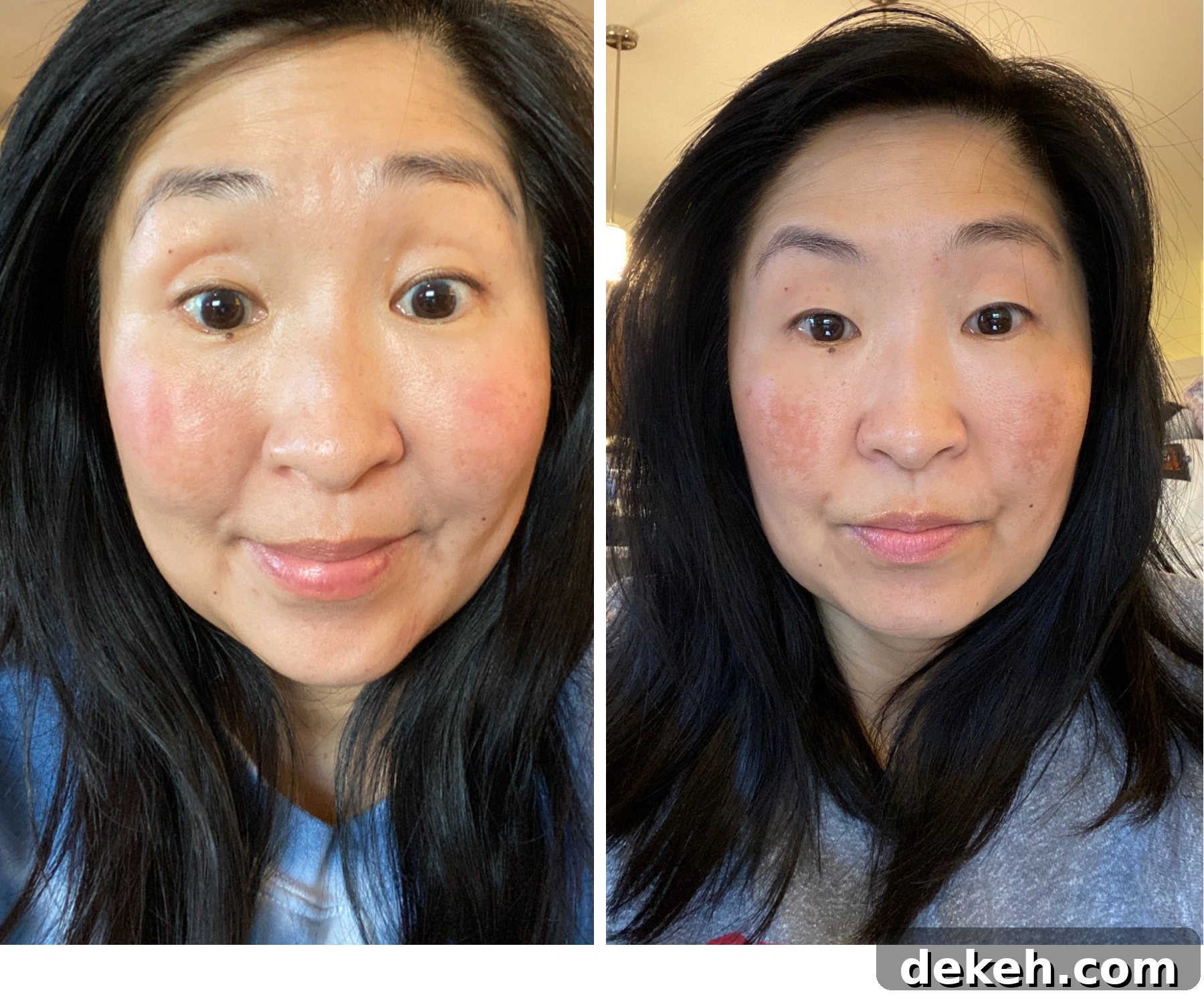
My sun spots returned, though not quite as dark as before. As a Korean woman with Asian skin, my pigmentation may be influenced by hormones or sensitivity to heat—both factors I’m investigating. The HALO smoothed my skin, but it did not fully resolve my hyperpigmentation. I’ve received helpful advice and plan additional treatments and topical regimens if needed. If you’re considering HALO, research thoroughly and consult specialists experienced with Asian skin.
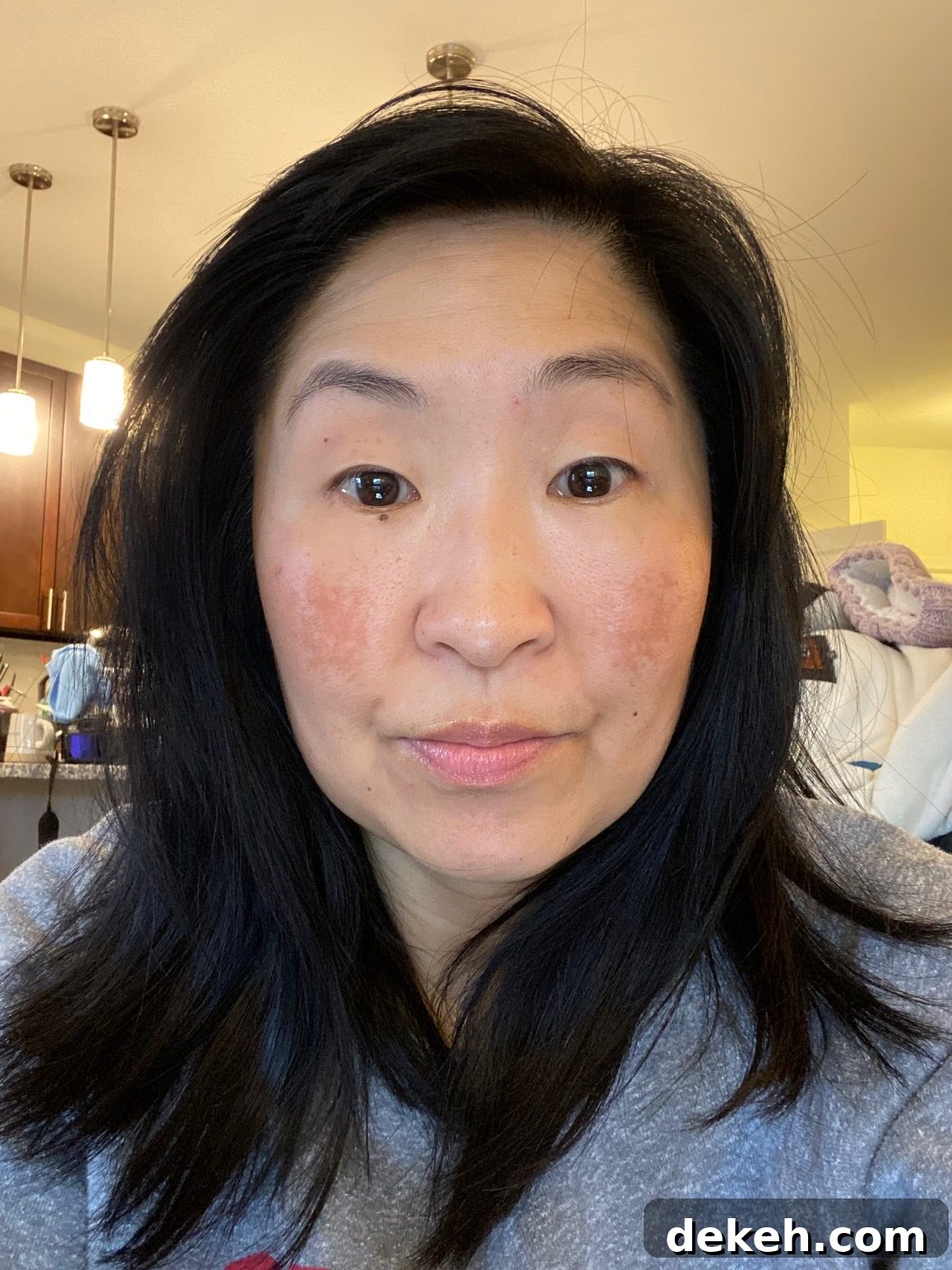
2/21/2020
My spots are lighter than before but still present. I’ve been using several topical products that seem to help, including brightening pads and serums recommended by trusted clinicians. I don’t regret the HALO; it improved texture and appearance even if pigmentation required further management. For Asian skin, I recommend consulting professionals experienced with pigment-prone skin and starting topical therapies before aggressive laser work.
7/22/2020
Progress continued: my spots were significantly lighter than in February. I began using a spot treatment from Musely at the end of February and reduced sun exposure during the pandemic, which likely helped. The spot cream contains hydroquinone and other brightening agents and seemed effective for me. I still experience facial flushing when hot, so heat remains a factor to monitor.
In conclusion
My plan is to maintain the improvements with topical products, strict sun protection and careful follow-up with clinicians experienced in treating Asian skin and pigment disorders. I don’t plan to undergo another HALO treatment immediately—healing was intense and the pain substantial—though I remain open to future options with the right timing and precautions.
Key takeaways from my experience:
- Start with topical therapies and proper sun protection before jumping to lasers.
- Choose clinicians experienced in treating Asian skin and pigment-related conditions.
- Plan for significant downtime—choose a week with no important events.
- Healing includes redness, swelling, oozing and peeling; follow post-procedure care closely.
Stay hydrated, wear sunscreen and consult a qualified medical professional if you’re considering HALO or other skin procedures.