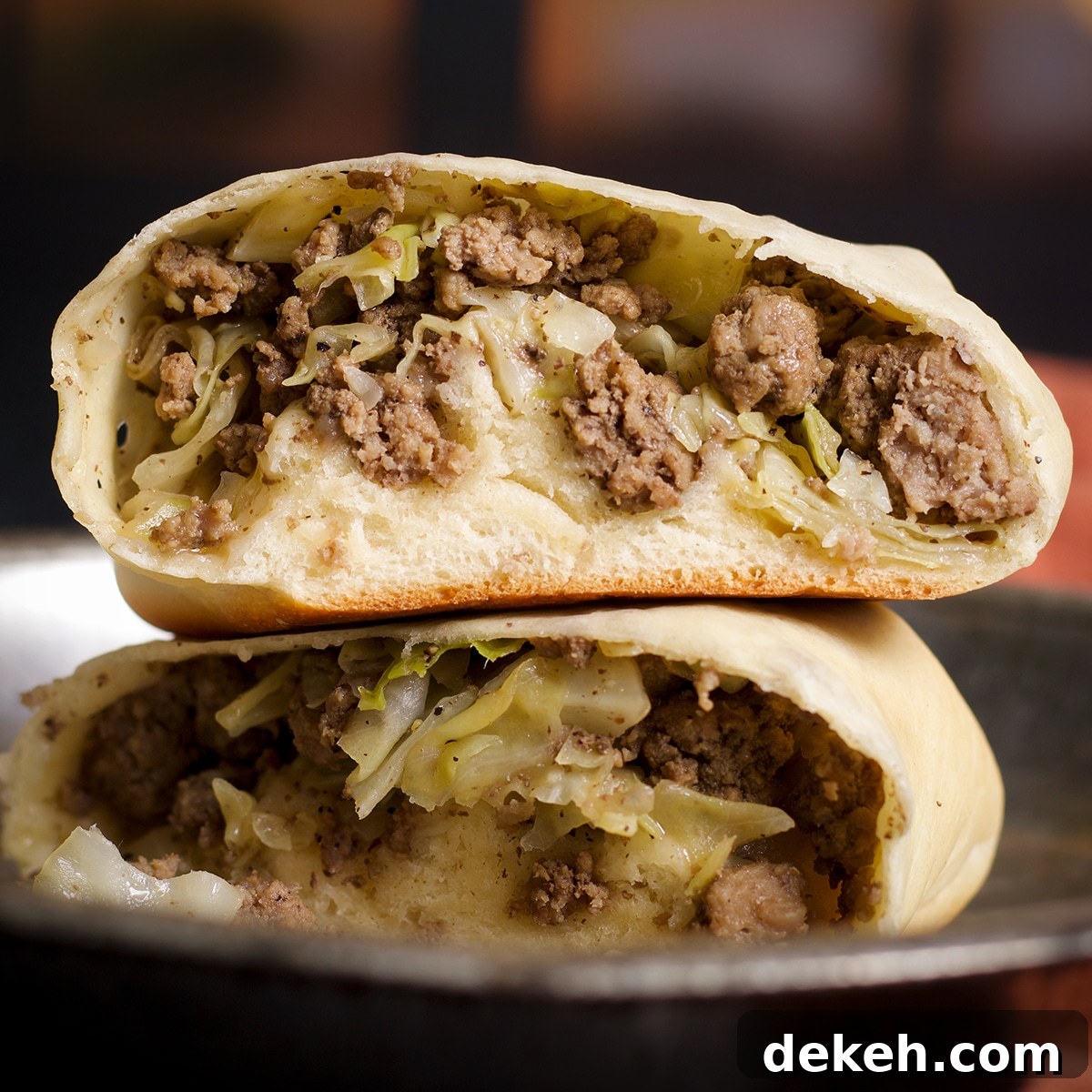
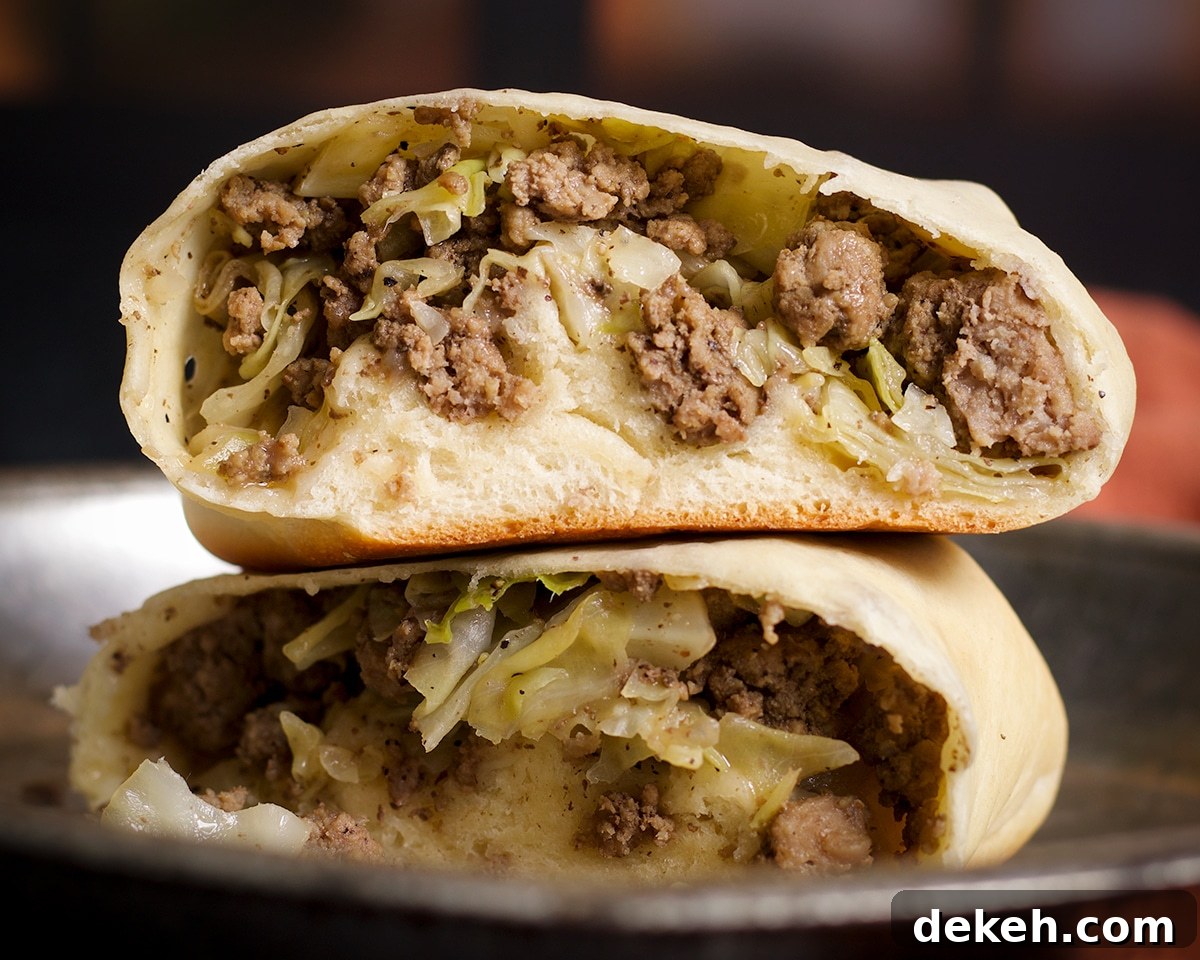
Krautburgers, also known as cabbage burgers, are a humble, economical, and deeply satisfying dish rooted in the food traditions of German farmers who lived in Russia before immigrating to the United States.
I grew up eating krautburgers and they were one of my favorite treats. Whenever my grandmother or mother made a batch, it felt like a small celebration. As an adult, I still make them a few times each year—after three decades they remain just as comforting and delicious as they were when I was a child.

SUMMARIZE AND SAVE THIS RECIPE ON:
Krautburgers arrived with German immigrants who lived in Russia and later settled across the American plains. Many of these families made homes in northern Colorado, an area full of farmland. My family has deep German roots in Colorado, and krautburgers were a regular part of our meals.
In my childhood, krautburgers felt special. My mother usually made them twice a year and each time felt like a little holiday. Later, when I had children of my own, I would make krautburgers mid-afternoon so they were warm when teenagers came home ravenous. They would quickly devour an entire tray, faces streaked with ketchup.
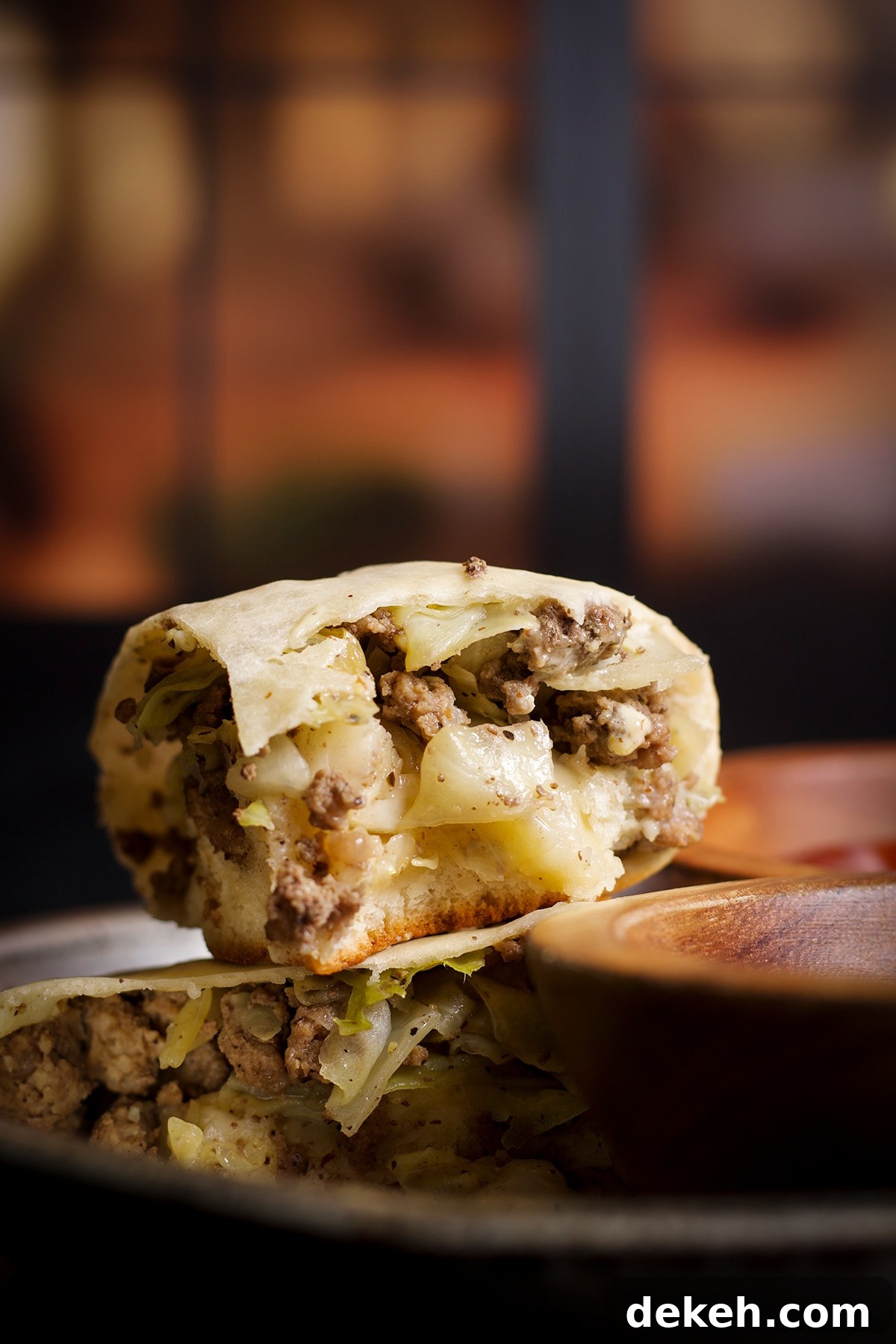
But krautburgers are not fancy: ground beef and shredded cabbage are cooked together, placed into bread dough, and baked until golden. They’re simple and inexpensive, yet somehow always feel celebratory.
My family always ate them with ketchup. Recently, a friend suggested dijonnaise and I tried a version flavored with a touch of honey and lemon juice—we were surprised at how much we liked it. I’ve included that variation below.
xo
-Rebecca
Ingredients needed to prepare this recipe
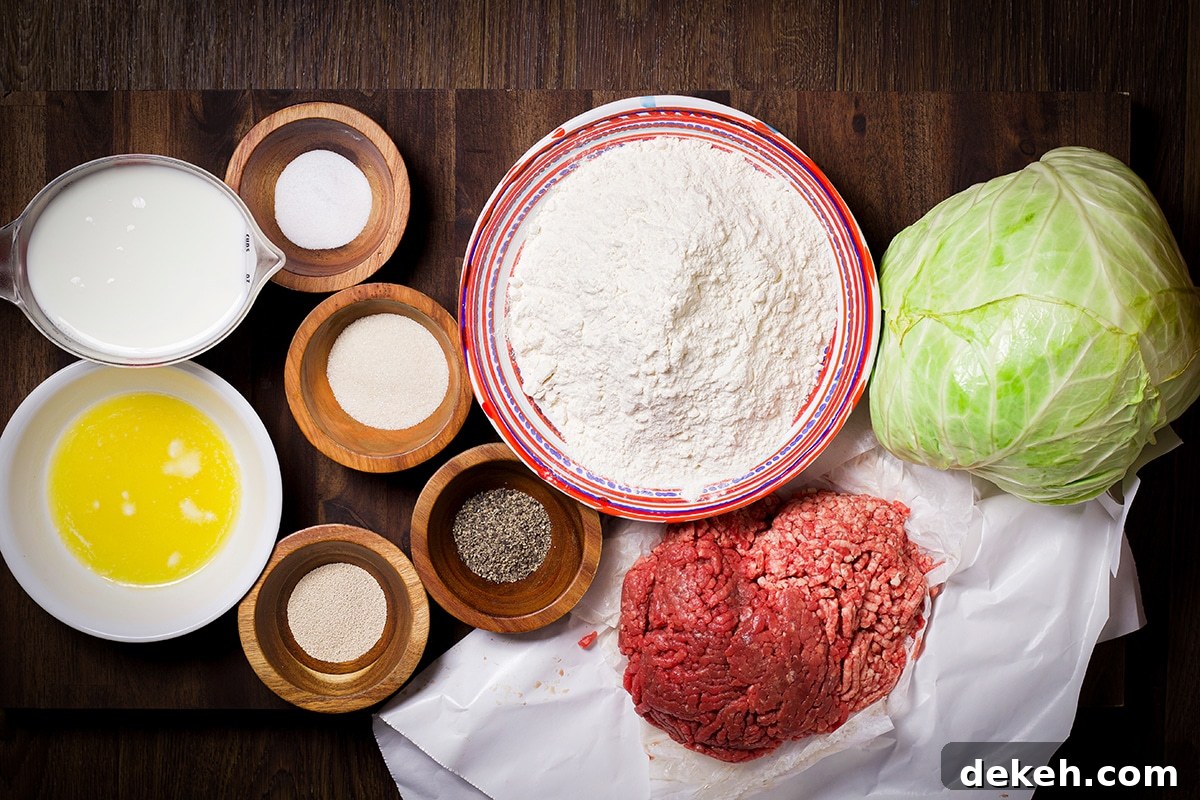
Cost of ingredients: $22.50 total / $2.25 per serving
Prices reflect my purchase at a Colorado Safeway and will vary by location and store. The cost is similar whether you use frozen Rhodes dough, homemade white bread dough, or homemade dinner roll dough.
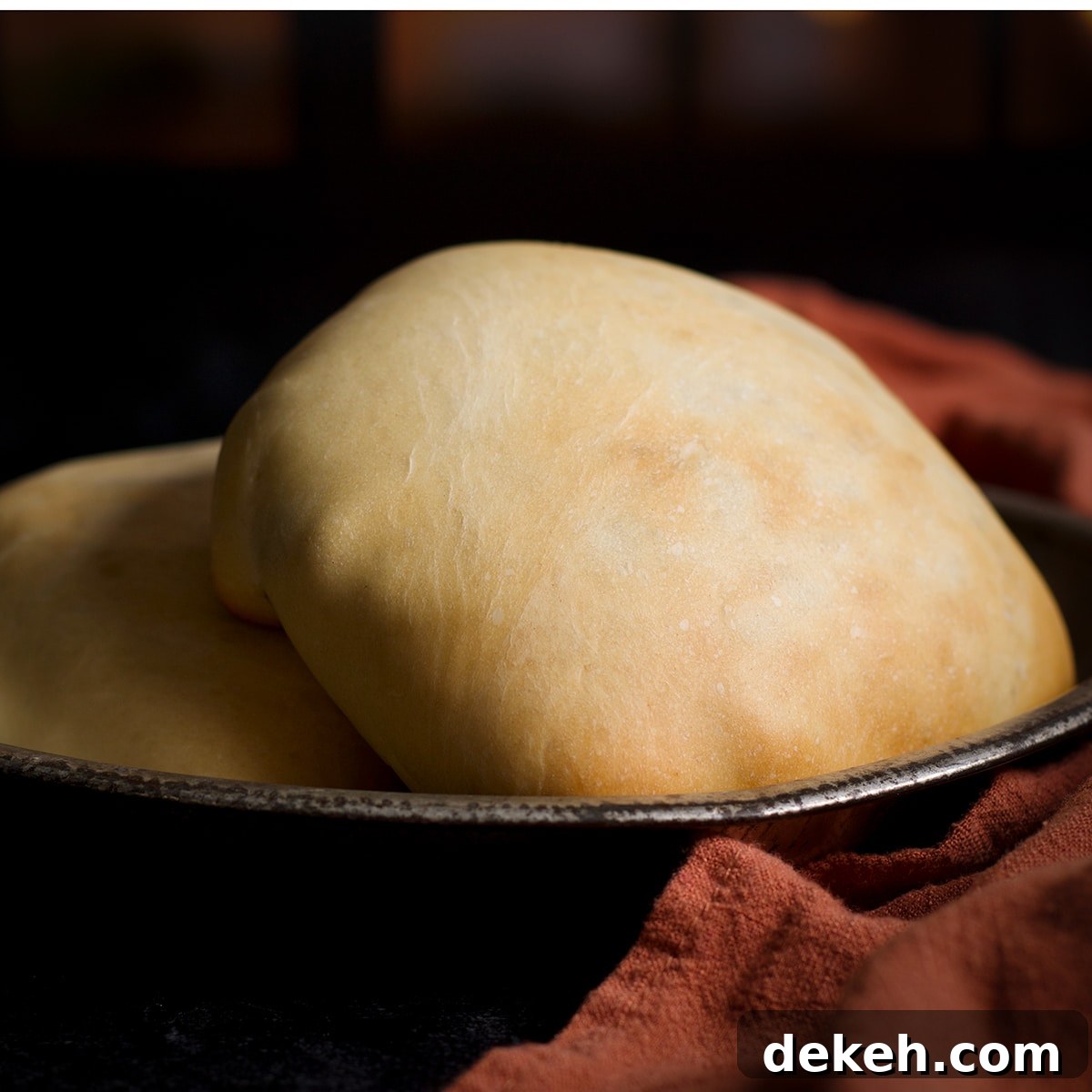
This recipe works with three dough options: Rhodes frozen dough (convenient and commonly available), homemade white bread dough, or homemade dinner roll dough. Homemade dough is easy, especially with a stand mixer. Either white bread or dinner roll dough will work—white bread gives a higher bread-to-filling ratio resembling a hamburger bun, while dinner roll dough yields a thinner, softer roll with more filling per bite.
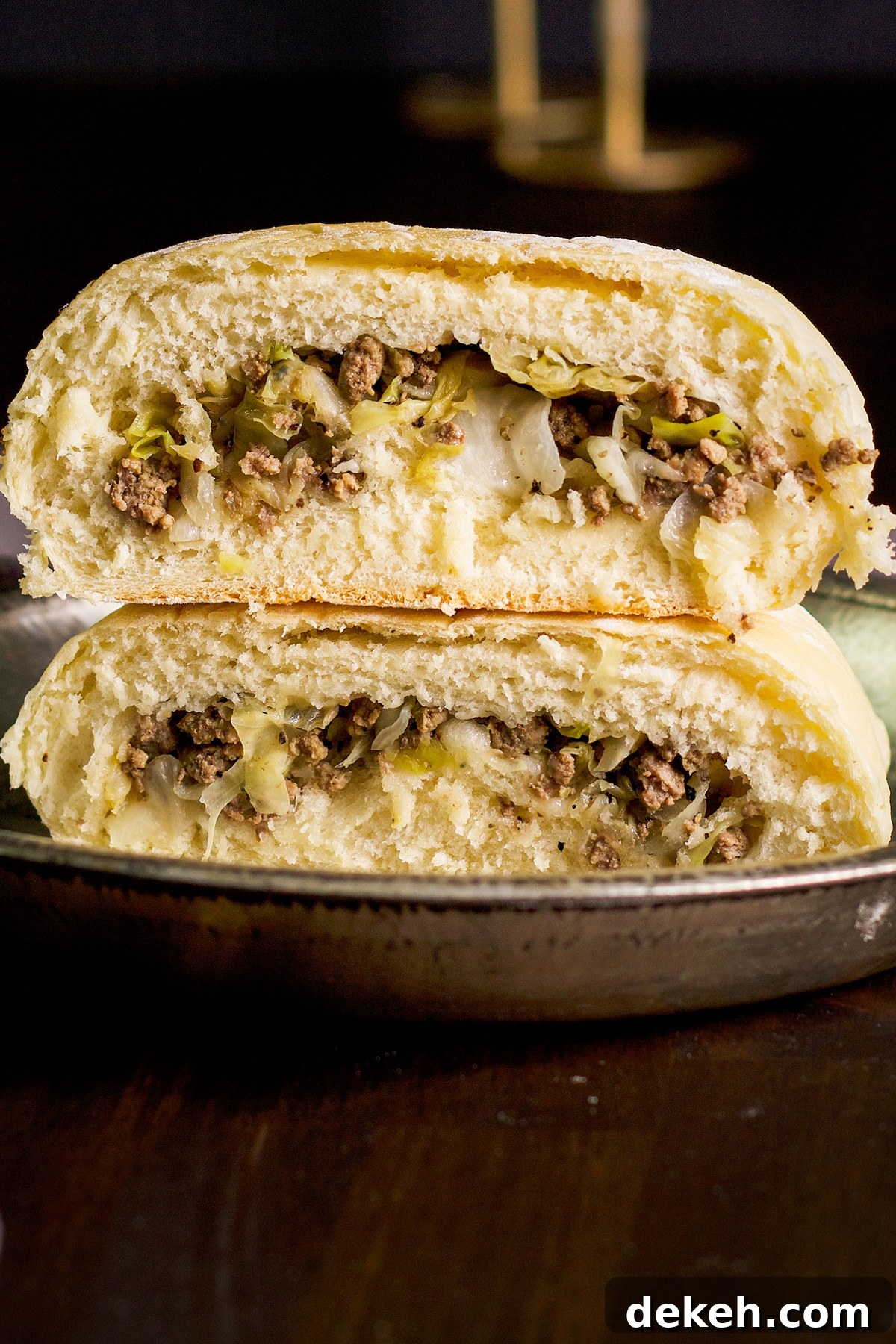
Main ingredients:
- Green cabbage
- 2 pounds ground beef (I recommend 80/20 for flavor and juiciness)
- Salt and ground black pepper
- Bread dough: one recipe of homemade white bread dough or dinner roll dough, or one 48-ounce package frozen bread/dinner roll dough
- Ketchup or dijonnaise for serving
Many traditional recipes include cooked onion; I omit it because that’s how my family ate them, but feel free to add chopped onion to the pan with the cabbage and beef if you prefer.
Additions and substitutions
- Add chopped onion or onion powder, or stir in a packet of onion soup mix for extra flavor.
- Add a slice of cheddar inside each pocket before sealing if you like cheesy krautburgers.
- Substitute sauerkraut for fresh cabbage if you prefer tangy, fermented flavor—stir it in after browning the beef.
- Use gluten-free bread dough or frozen gluten-free dough if you need a gluten-free option.
- Substitute ground turkey, pork, or game meat for the beef if you prefer.
Step-by-step photos and instructions
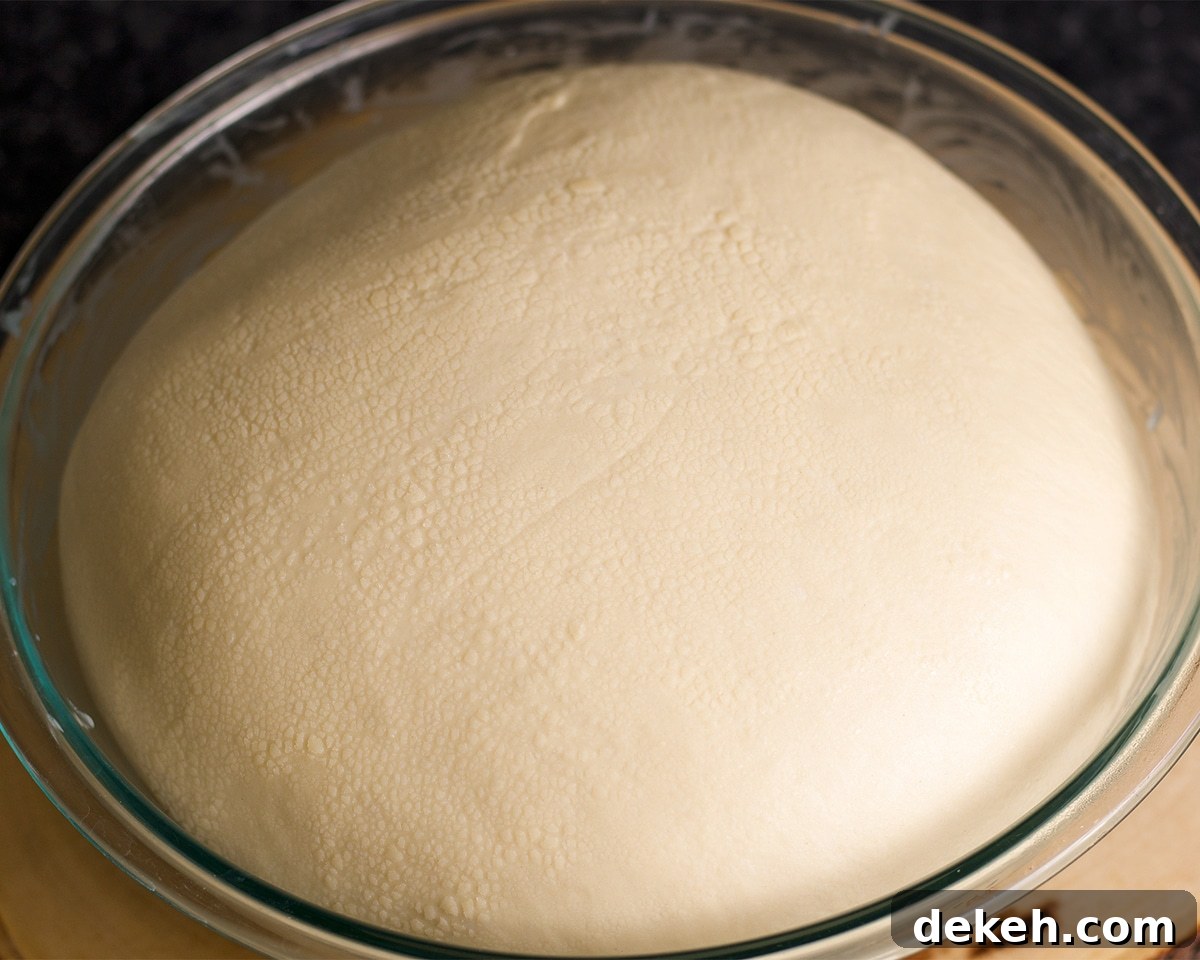
Prepare your chosen dough and allow it to rise until doubled, or thaw frozen dough according to package instructions.
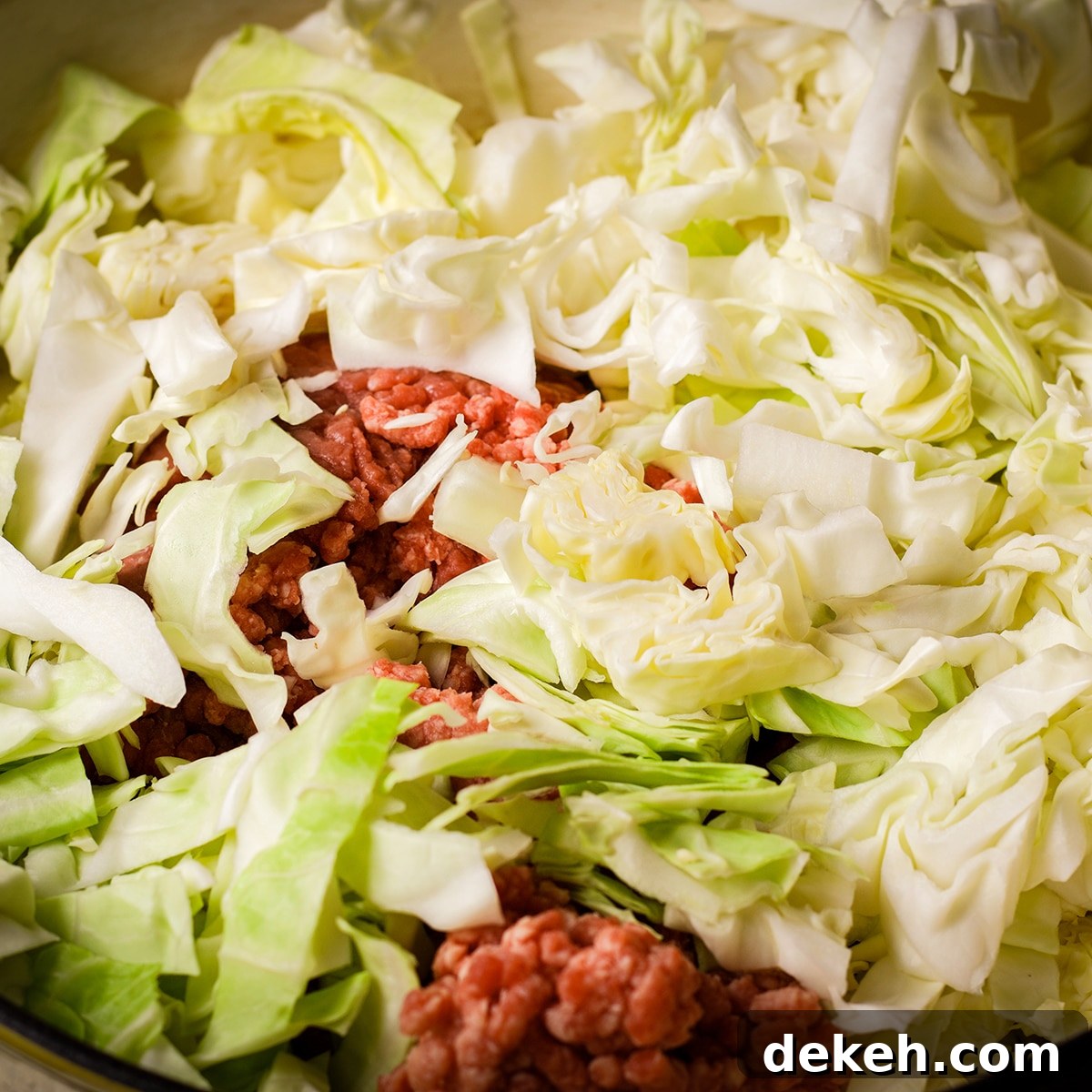
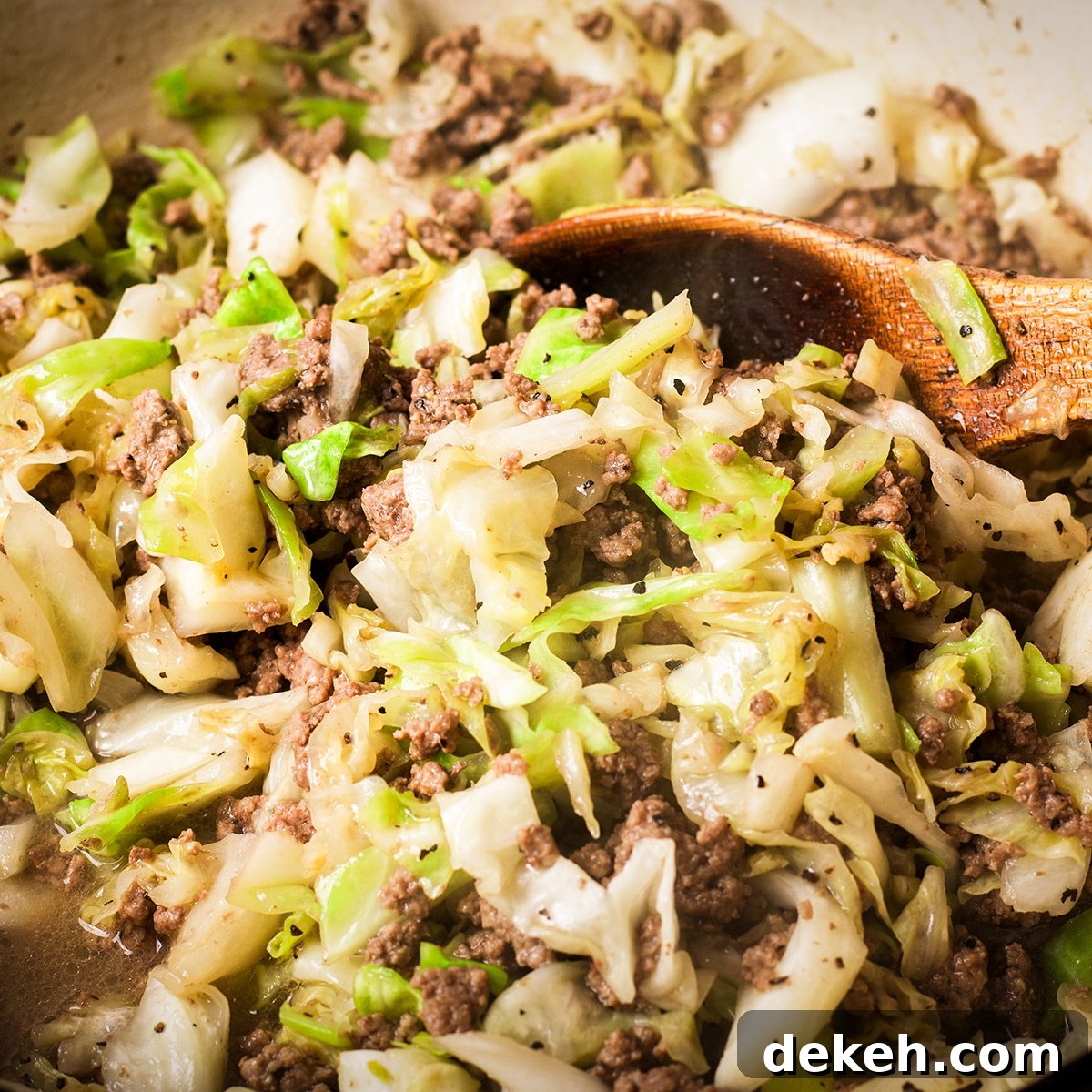
Chop the cabbage and add it to a large saucepan or Dutch oven with the ground beef. Break the beef apart with a wooden spoon, season with salt and a generous amount of black pepper, and cook over medium heat until the beef is fully cooked and the cabbage is soft and wilted—about 10–15 minutes. If the mixture dries out, add a splash of water and reduce the heat.
Transfer the filling to a colander set over a bowl to drain excess fat, if needed.
Divide the dough into 10–12 pieces (about 5–6 ounces each). Working with one piece at a time, roll it into a square on a lightly floured surface. Place a generous mound of the beef-and-cabbage mixture in the center, then bring the corners up and pinch to seal, forming a pocket. Pinch seams well so the filling is completely enclosed.
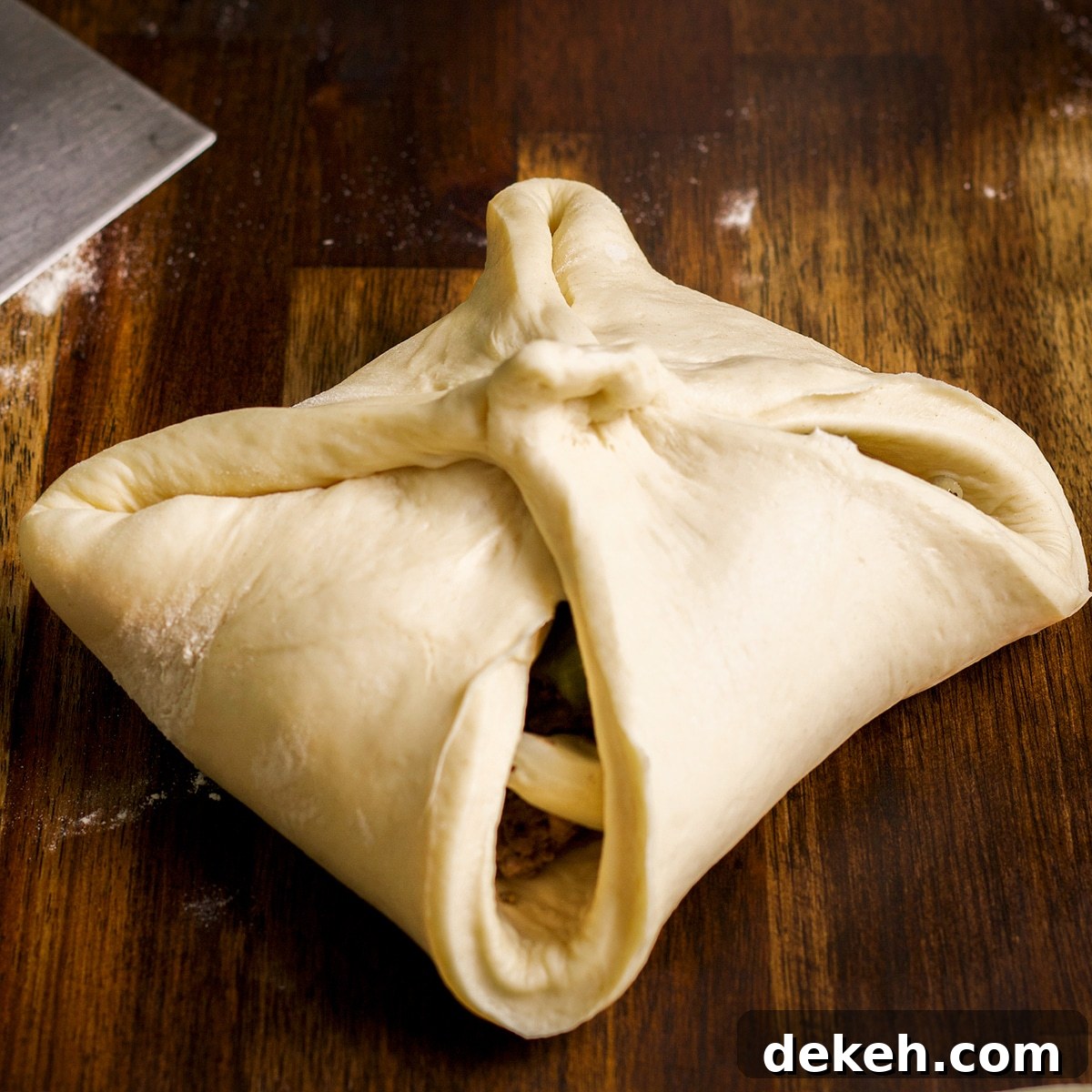
Place the sealed krautburgers on a parchment-lined baking sheet lightly dusted with flour. If the dough is sticky, dust the tops with a bit of flour. Cover and let rise 10–20 minutes while you preheat the oven to 350°F (176°C).
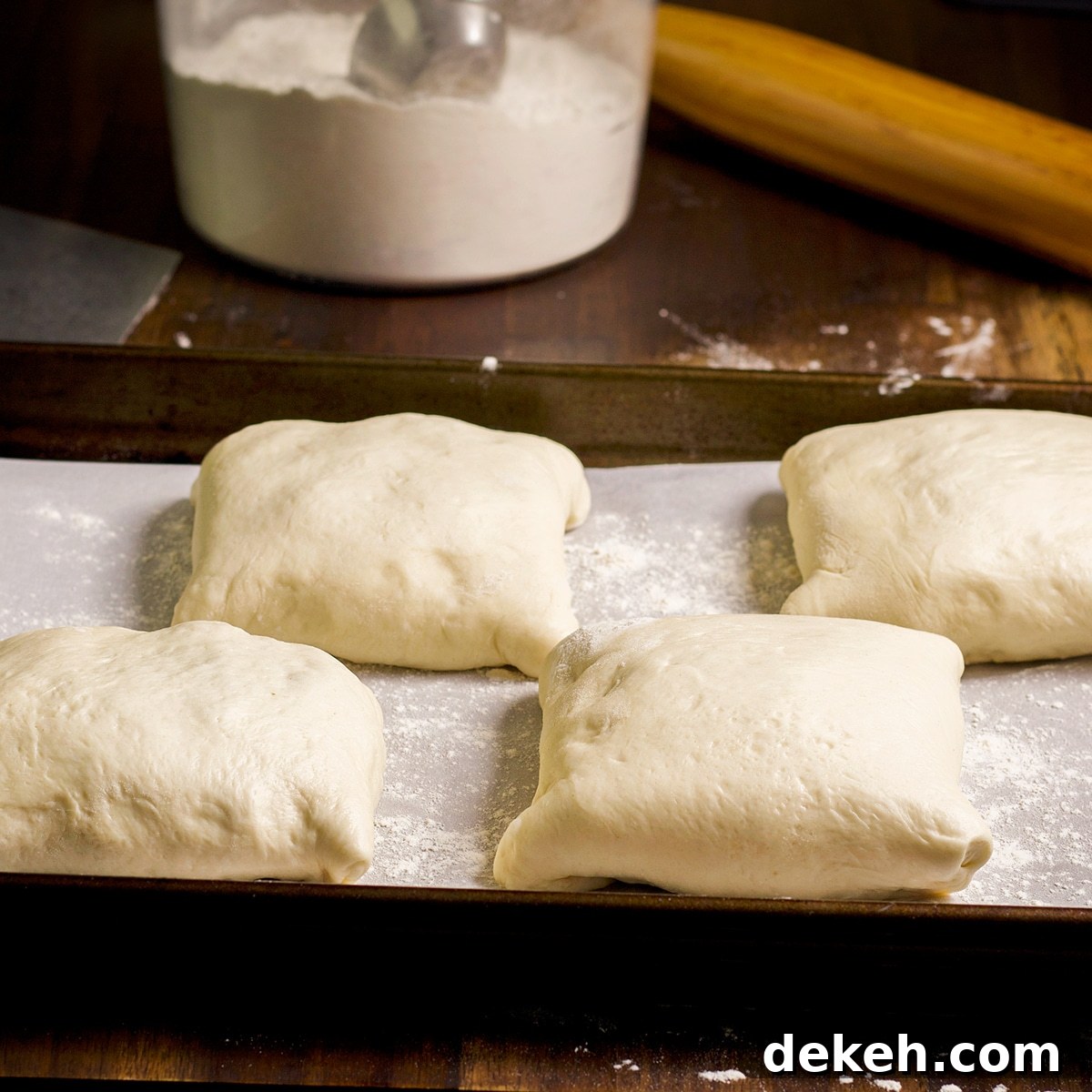
Bake for about 20 minutes, until golden brown. Optionally brush the tops with melted butter before or after baking for extra richness.
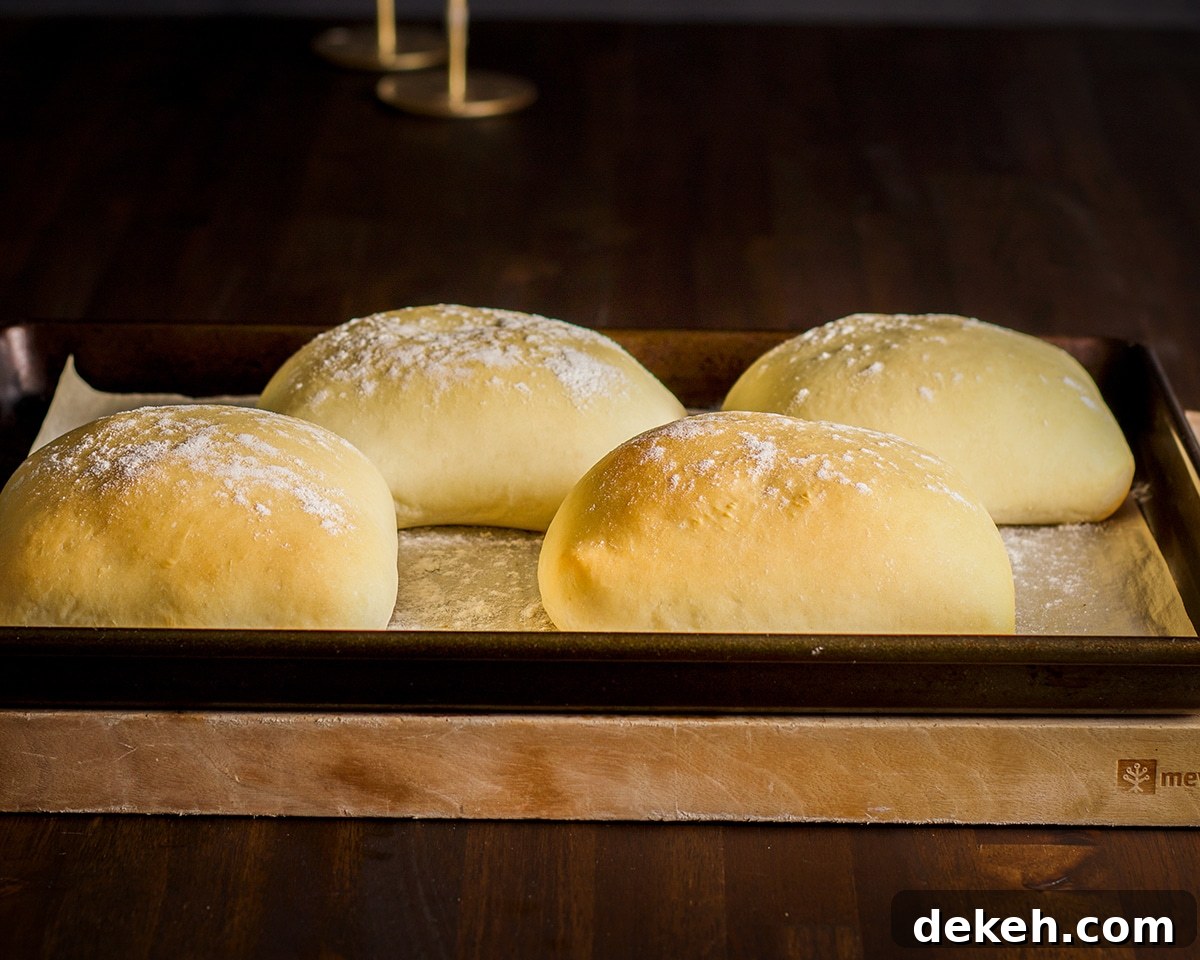
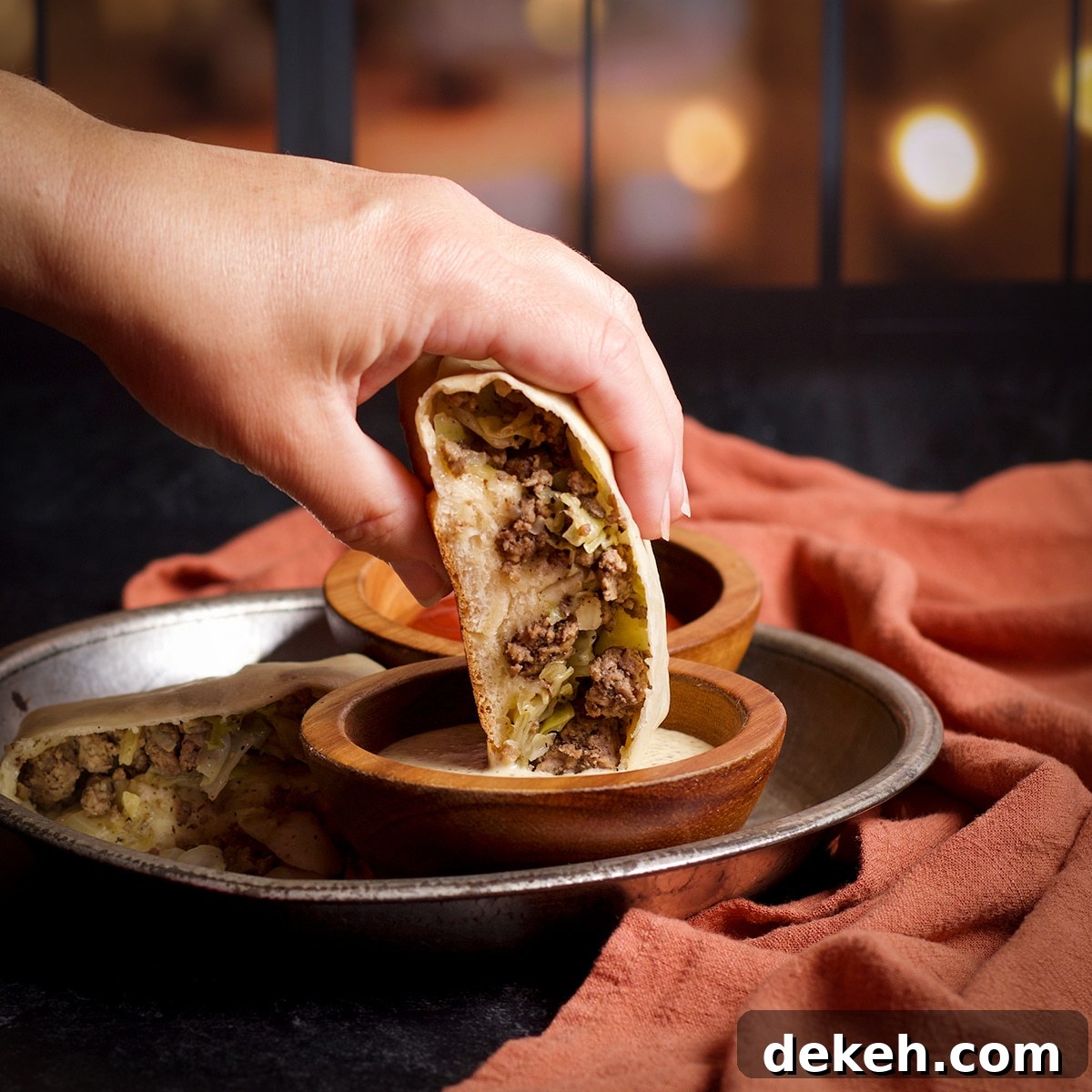
Serve with ketchup or dijonnaise, or both
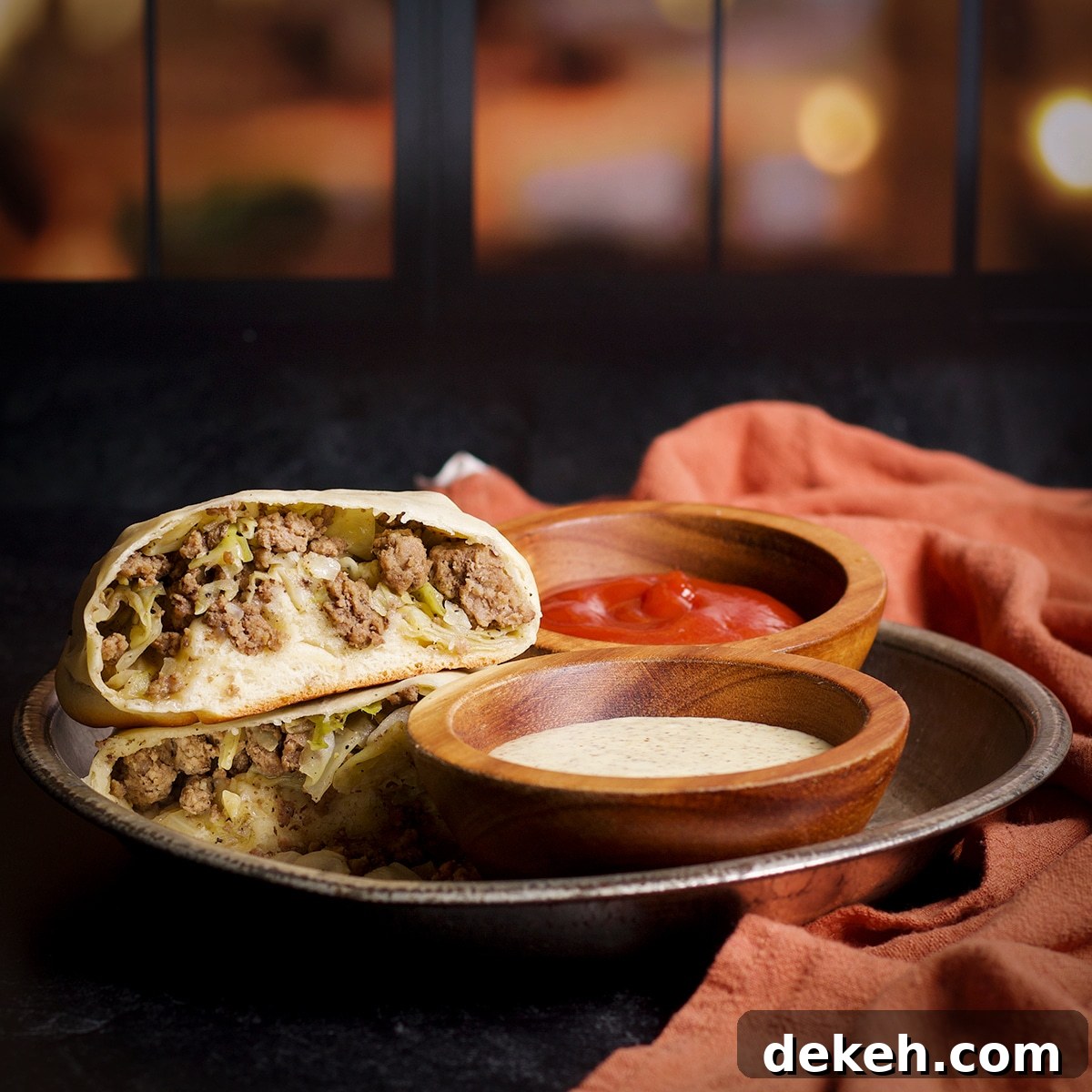
Dijonnaise is simply equal parts Dijon mustard and mayonnaise, adjusted to taste with a little honey, lemon juice, salt, and pepper. It’s a quick, no-measure sauce—mix and tweak until it suits your palate. Though I grew up with ketchup, dijonnaise has become my preferred accompaniment.
What to serve with krautburgers
Krautburgers are often enjoyed on their own, but they also pair nicely with a simple soup or salad. Favorites include potato and white bean soup, curried roasted cauliflower soup, kale-and-broccoli salad with lemon vinaigrette, or Israeli salad.
How to store krautburgers
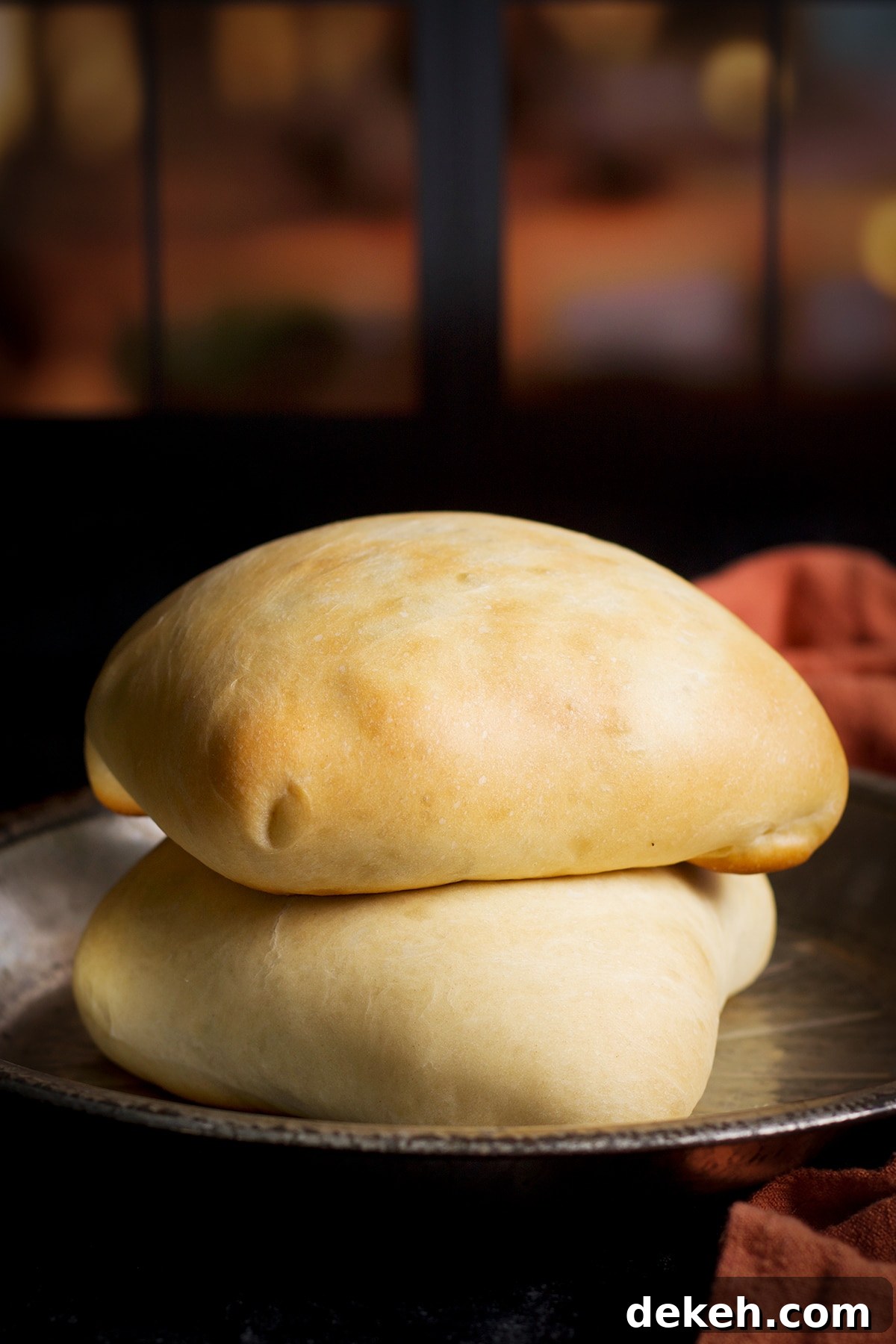
Cool krautburgers completely, then store in a zip-top bag, wrapped in plastic wrap or foil, or in an airtight container. Refrigerate up to 3 days or freeze up to 3 months. For freezing, wrap individually in plastic wrap and then foil.
Thaw frozen krautburgers in the refrigerator overnight before reheating. Reheat wrapped in foil in a 350°F oven for about 10 minutes until hot. They can also be reheated in an air fryer or microwave—cover with a damp paper towel in the microwave to keep the bread from drying out.
If you try this recipe, please leave a comment and rate it—I’d love to hear how your krautburgers turn out.
📖 Recipe
Homemade Krautburgers
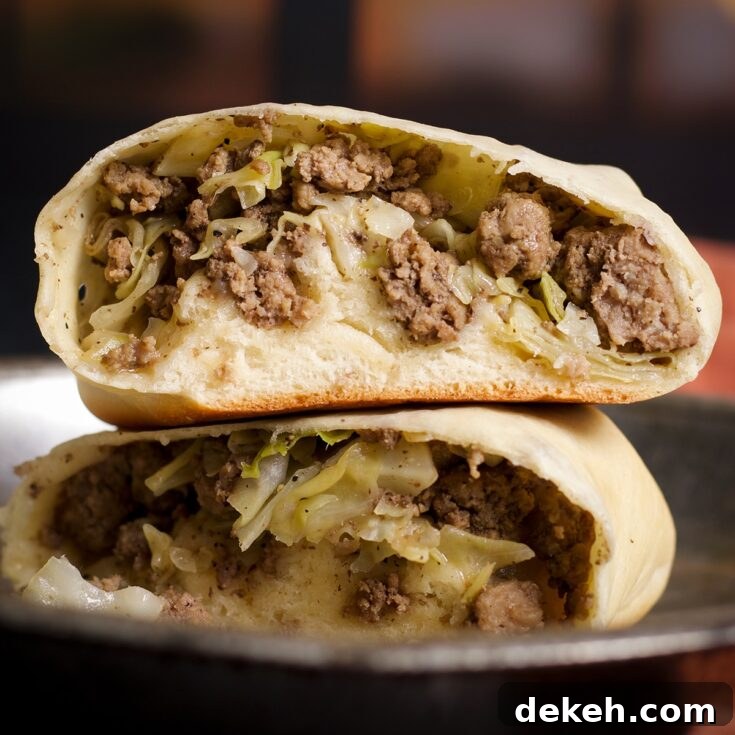
This is the traditional krautburger recipe I grew up with. See the additions and substitutions section for easy variations.
Ingredients
- 1 recipe homemade white bread dough or dinner roll dough, or one 48-ounce package frozen bread/dinner roll dough
- 2 pounds ground beef (80/20 recommended)
- 1 medium head green cabbage
- Salt and ground black pepper
- Ketchup or dijonnaise, for serving
Instructions
- Prepare dough and allow it to rise until doubled, or thaw frozen dough per package directions.
- Cut the cabbage in half, remove the core, chop into small pieces, and add to a large saucepan with the ground beef. Break the beef apart and season with salt and generous black pepper.
- Cook over medium heat, stirring frequently, until the beef is no longer pink and the cabbage is very soft, about 10–15 minutes. Add a splash of water and lower heat if the mixture begins to dry or brown.
- Taste and adjust seasoning. Transfer the mixture to a colander set over a bowl to drain excess fat if needed.
- Divide the dough into 10–12 pieces (about 5–6 ounces each). Roll each piece into a square, mound with filling, then bring corners up and pinch to seal, forming a pocket.
- Pinch seams firmly so the filling is fully enclosed; repeat for remaining dough and filling.
- Place on a parchment-lined baking sheet dusted with flour. Cover and let rise 10–20 minutes while you preheat the oven to 350°F (176°C).
- Bake about 20 minutes, until golden brown.
- Serve warm with ketchup or dijonnaise.
- Storage: Cool completely, then refrigerate up to 3 days or freeze up to 3 months. Reheat in a 350°F oven wrapped in foil for about 10 minutes, or use an air fryer or microwave (cover with a damp paper towel in the microwave).
Notes
- To make dijonnaise: combine equal parts Dijon mustard and mayonnaise and adjust with honey, lemon juice, salt, and pepper to taste.
- If baking on two sheets, bake one sheet at a time. Keep the second sheet refrigerated while the first bakes.
- Nutrition information excludes ketchup or dijonnaise.
Nutrition Information (per serving)
Calories: 534 • Total Fat: 19g • Saturated Fat: 7g • Unsaturated Fat: 12g • Cholesterol: 66mg • Sodium: 798mg • Carbohydrates: 61g • Fiber: 4g • Sugar: 8g • Protein: 31g