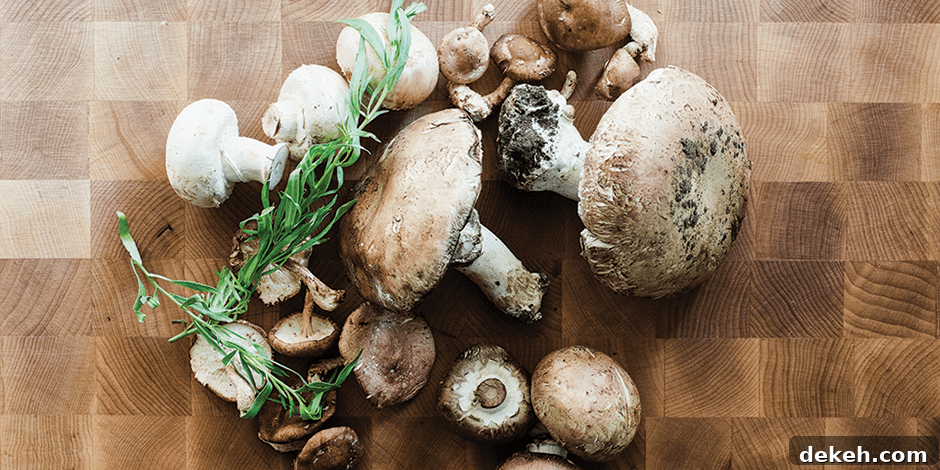
An unusual natural treasure, mushrooms are nutritional powerhouses bathed in earthy, savory flavors that enliven a wide range of dishes. Low in calories yet rich in vitamins, minerals and unique umami, mushrooms are versatile ingredients that work in salads, soups, sautés, grills and even as hearty main components. Below is a guide to some of the most popular varieties you’ll find in markets and kitchens, how they differ in flavor and texture, and simple tips for preparing them to get the best results.
White Button
White button mushrooms are the most common variety sold in grocery stores and account for the bulk of mushrooms eaten in many countries. They have a mild, delicate flavor that makes them extremely adaptable: use them raw in crisp salads, sliced for sandwiches, or sautéed to add a subtle mushroom note to pastas, omelets and casseroles. Their flavor deepens when cooked, developing a pleasantly savory character without overpowering other ingredients. White buttons are sold in sizes from small “button” to large or jumbo caps; larger specimens are ideal for stuffing and baking because their caps can hold fillings and hold up under heat. For best texture, wipe them clean with a damp cloth instead of soaking, and cook gently to avoid becoming waterlogged.
Cremini
Also called baby bellas or brown mushrooms, cremini are essentially a more mature form of the white button, with a darker tan to brown cap and a firmer, meatier texture. They offer a deeper, earthier flavor than white buttons and serve as an excellent middle ground between mild and robust mushroom types. Cremini perform well in sautés, risottos and sauces; their firmer flesh stands up to longer cooking times and they release concentrated flavor when caramelized. To maximize taste, cook cremini over medium-high heat until they develop golden-brown edges, usually 5–8 minutes, which brings out their natural savory richness without making them tough.
Portobello
Portobellos are the fully mature stage of the cremini family and can grow to several inches across. Their large, open caps and pronounced gills give them a hearty, meaty texture and bold flavor, making them a favorite for vegetarian preparations. Grill, roast or sear whole for a satisfying main dish, or slice and use in sandwiches, tacos and pasta. Portobello caps also make excellent plant-based “burgers” when marinated and grilled, offering a substantial bite and a smoky, umami-forward taste. Before cooking, remove or trim the tough stem if desired, and scrape out the gills if you prefer a milder presentation; leaving the gills intact results in a richer, more intense mushroom flavor.
Shiitake
Shiitake mushrooms are prized for their pronounced woodsy, savory flavor and meaty texture. Originally cultivated and used in East Asian cuisine, shiitakes have become widely popular for adding depth to broths, stir-fries, noodle dishes and sautés. The caps are tender and flavorful, while the stems can be fibrous; save tougher stems for simmering in stocks or sauces to extract their rich umami, then discard or finely chop them once softened. Shiitake pairs especially well with soy-based sauces, garlic, ginger and sesame, and it can lend a complex, savory note when incorporated into Western recipes such as creamy sauces, casseroles and grain bowls.
Choosing the right mushroom often depends on the texture you want and how intense you want the flavor to be. For subtle background notes, reach for white buttons. If you want more body and deeper taste, cremini are an excellent choice. For a filling, meat-like alternative, portobello is ideal. For pronounced umami and aromatic depth, shiitake stands out. Regardless of variety, store mushrooms in a paper bag in the refrigerator to keep them dry longer, and avoid rinsing them under running water; instead, brush or wipe them clean to protect their texture. With these simple techniques, you can make the most of mushrooms’ nutritional benefits and their ability to enhance a wide array of meals.