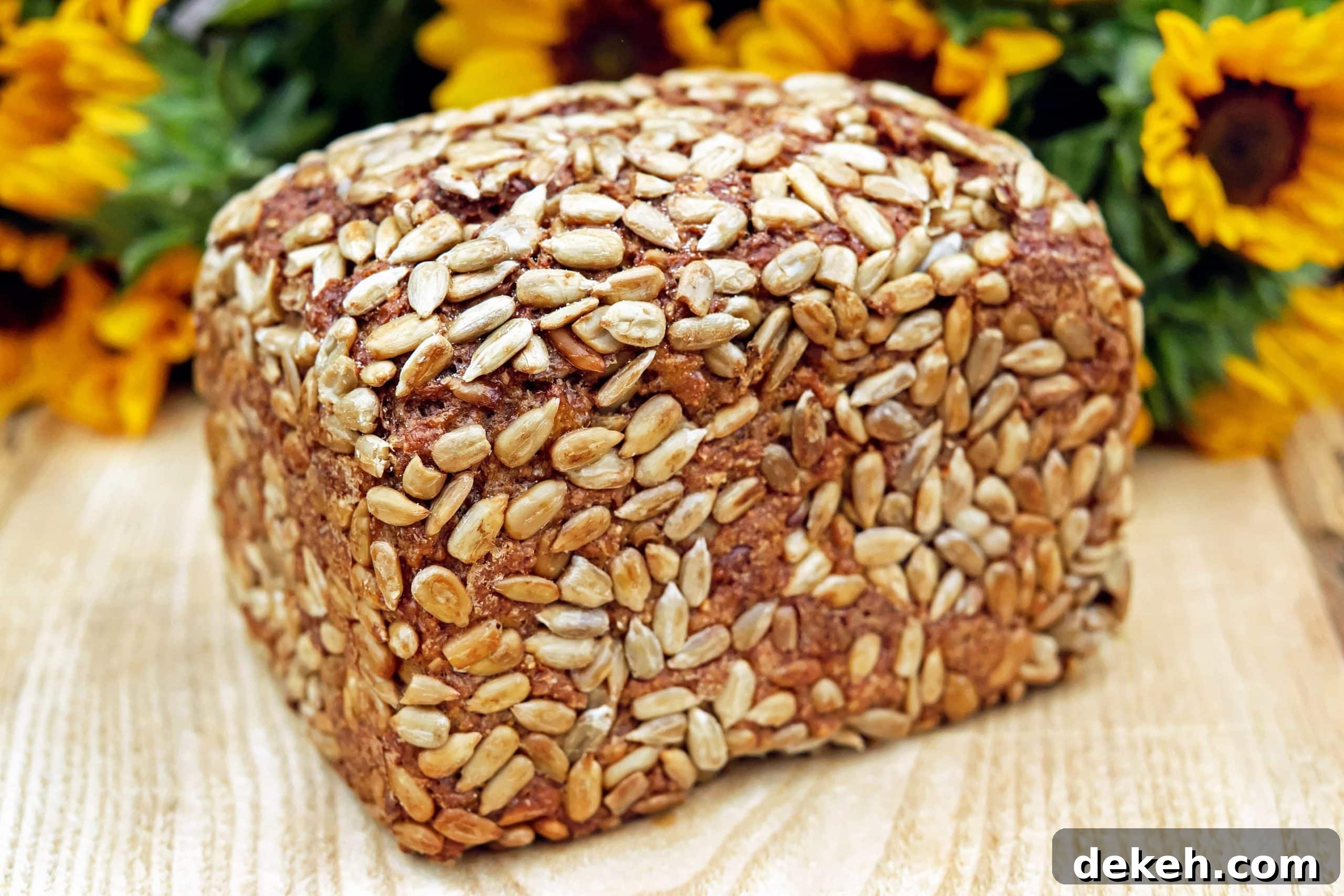
Crunchy rolls transform breakfast into an exciting flavor experience, leaving ordinary white bread behind. The first bite delivers a satisfying crack that awakens the senses and brightens your morning. Each roll contains a blend of textures and flavors that energize you and make breakfast feel special. Below we explore why these crispy grain rolls have become popular, what makes them different from traditional rolls, and how you can enjoy them at home.
In recent years, crispy multi grain rolls have grown in popularity as people look for healthier, more interesting alternatives to refined breads. While whole wheat has long been recognized for its benefits, mixing several grains creates a more nutrient-dense product with varied flavors and textures. Bakers and chefs are experimenting with combinations of flours—such as whole wheat, oat, barley, and brown rice—to craft rolls that are both wholesome and delicious.
What distinguishes multigrain crispy rolls from regular rolls?
The primary difference lies in the flours used. Regular crispy rolls are commonly made with all-purpose or white flour, resulting in a softer, more uniform crumb. Multigrain crispy rolls use a blend of flours—such as whole wheat, oat, barley, and brown rice—which creates a firmer, more textured crumb and a pronounced crunch. The proportion of each grain varies across recipes, but generally multigrain rolls contain higher amounts of fiber and protein, and a broader range of micronutrients than their white-flour counterparts.
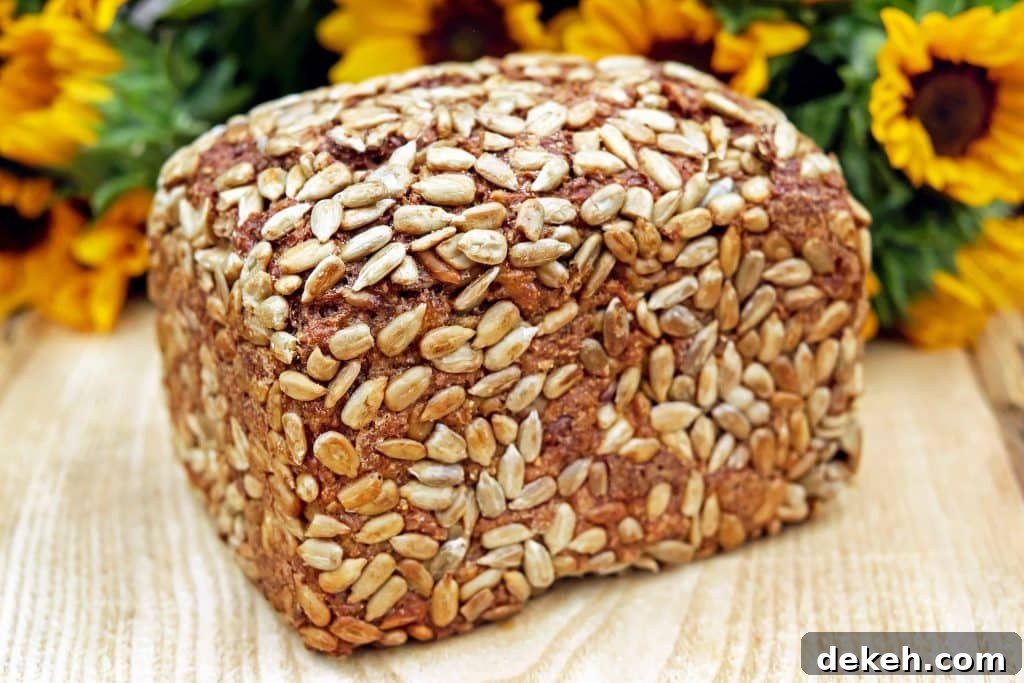
Because of the different flours and grain inclusions, multigrain rolls often feel denser and more substantial. Bakers may also add seeds, cracked grains, or whole rolled oats for extra crunch and visual appeal. These additions contribute to the roll’s distinctive mouthfeel and make them a popular choice for those seeking a heartier breakfast option.
How many grains are typically in a multigrain crispy roll?
Multigrain rolls can include anywhere from four to nine different grains, depending on the recipe or brand. Common combinations include wheat, oats, barley, rye, quinoa, millet, flaxseed, and brown rice. Whole grain versions often feature six to eight grains, while some commercial multigrain products list seven to nine varieties. The exact mix influences texture, flavor, and nutritional profile.
What are the health benefits of multigrain crispy rolls?
Multigrain rolls offer several nutritional advantages. The variety of grains typically increases fiber, protein, vitamins, and minerals compared with refined white rolls. Key nutrients you’ll find in multigrain breads include iron, zinc, magnesium, and B vitamins. The higher fiber and protein content help you feel full longer, which can reduce snacking and support steady energy levels throughout the morning.
Contrary to some assumptions, not all multigrain products are gluten-free—many include wheat or barley—so they are not universally suitable for people with celiac disease. However, there are gluten-free multigrain recipes that use grains like millet, quinoa, and brown rice flour for those who need them.
Is a multigrain crispy roll healthier than a regular roll?
The answer depends on your priorities. Multigrain rolls are generally richer in fiber, protein, vitamins, and minerals compared with standard white flour rolls. These qualities make them a better option for sustained energy and nutritional value. If your goal is lower calories or a very soft texture, white flour rolls may still fit that need. Reading ingredient lists helps: opt for rolls made primarily from whole grains and minimal added sugars or fats to maximize health benefits.
How do multigrain crispy rolls taste?
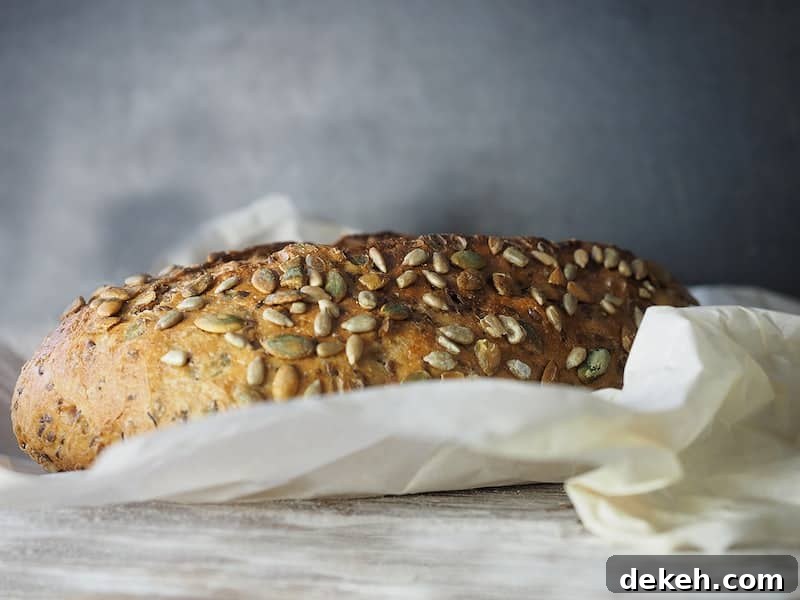
Texture is a defining characteristic: multigrain rolls tend to be crunchier and chewier than white rolls. The flavors can vary from subtly nutty and toasty to slightly sweet, depending on the grains and any added seeds or sweeteners. Bakeries often offer a variety of flavored rolls—cinnamon raisin, ginger, or lightly sweet chocolate chip variations are common—so you can find options that suit sweet or savory tastes.
How are multigrain crispy rolls prepared?
Multigrain rolls come in many shapes and sizes—round, square, star-shaped, or elongated. Commercial bakeries may pre-slice large orders for convenience, while home bakers can shape and slice as desired. A typical home method starts with blending the chosen flours and grains, hydrating them into a dough, letting it rest to develop structure, shaping the rolls, and baking until the crust is crisp and golden. For extra shine, an egg wash can be brushed on before baking; seeds or coarse grains can be sprinkled on top for texture.
What is the origin of multigrain crispy rolls?
While the idea of mixing grains in bread has ancient roots, the specific styles and names have evolved. European bakers, including German traditions of mixed-grain buns, influenced many modern recipes. Over time, these breads adapted to regional preferences and ingredients, giving rise to the variety of multigrain and whole-grain rolls available today. The concept of layered, grain-rich breads developed gradually rather than appearing as a recent invention.
Where can I find a recipe for multigrain crispy rolls?
Many reliable recipes are available online, and you can also create your own by combining whole wheat flour, brown rice flour, oat flour, and additional grains or seeds. A basic approach: mix your dry ingredients, add liquid and any leavening, knead until cohesive, let rest, shape into rolls, bake on parchment-lined sheets, and finish with an optional egg wash or sprinkle of sugar or seeds. Baking at home gives you control over ingredients and lets you tailor flavors and textures to your preferences.
How long does it take to make multigrain crispy rolls?
Making a batch at home typically takes around two hours from start to finish, including mixing, rising, shaping, and baking. If you make larger quantities or allow longer fermentation for flavor development, the process can extend to three or four hours, but much of that time is hands-off. The result is a flavorful, textured roll that rewards the effort.
Related Posts
How to Steam Carrots in the Microwave

Can You Freeze Cantaloupe?
Can Of Cream?

How to Cook Costco Egg Bites