Updated 1/22/2021
This primer explains how to make creamy sorbet with or without an ice cream maker, and reviews the key (and optional) ingredients to help you get consistent results. There are even sugar-free sorbet options.
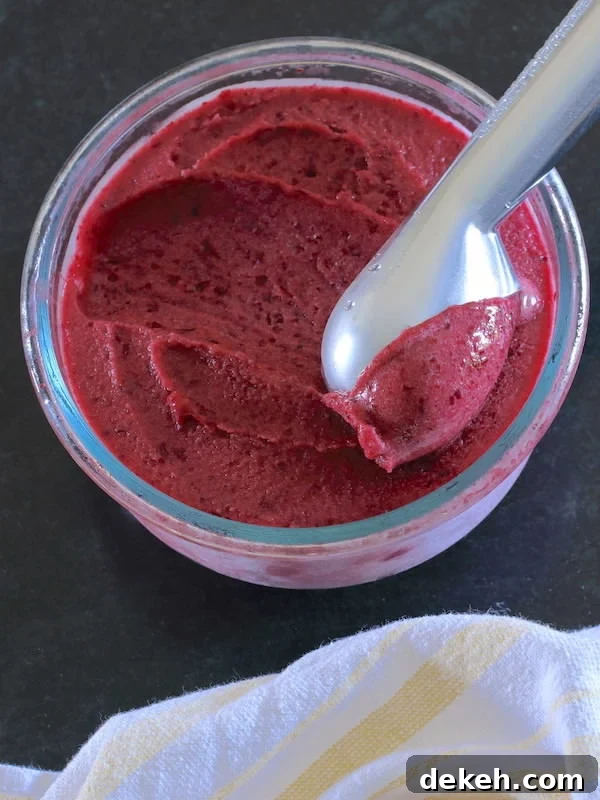
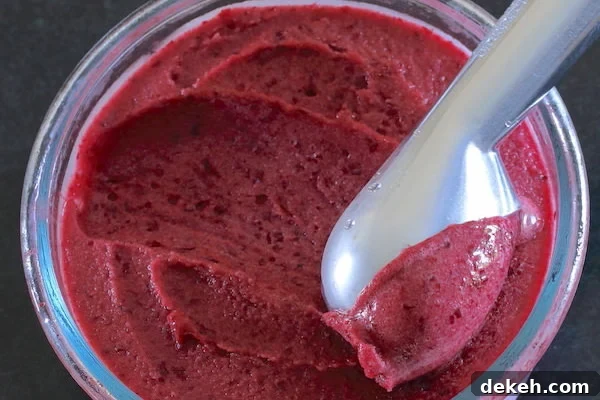
The range of sorbet colors and flavors is endless and especially welcome on hot days. Some sorbets are sweet, others tart or subtle, and some even lean savory or floral. There are also boozy sorbets for adults.
Along with this variety come several different methods for making sorbet, each producing slightly different textures. After researching and testing many batches, I’ve summarized what works best so you can make creamy sorbet reliably.
THE GOLDEN RULES
Too little sweetener and your sorbet will be icy; too much and it will be mushy.
Freeze quickly and churn or stir while freezing to prevent large ice crystals.Note: the “Easy (no keep)” method requires no sweetener and no churning or stirring.
The Secret to Making Creamy Sorbet
If you freeze fruit or juice without adjustment, it becomes a hard block of ice. To make sorbet that stays scoopable in the freezer, follow three principles:
- Increase the soluble solids (sweetness) of the base
- Freeze the mixture quickly
- Churn or stir while freezing to break up ice crystals
FAQs
Most recipes increase sugar by adding a simple syrup made from equal parts water and sweetener. Honey, maple syrup, or agave work as well but will affect flavor. Dates can also be used to sweeten and thicken the base.
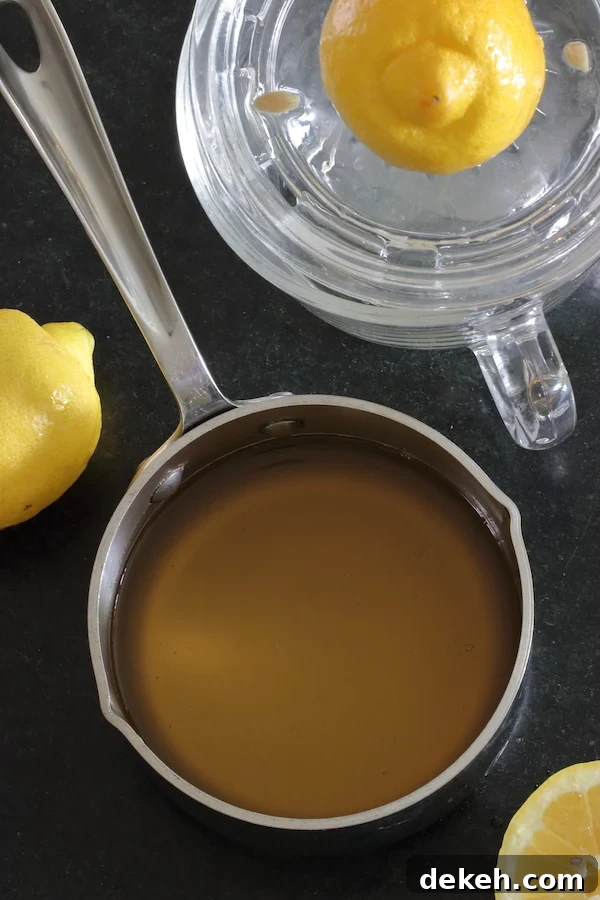
Heat equal parts water and sweetener while stirring until blended, cool, and refrigerate. Simple syrup keeps about a month in the fridge.
Syrups made with honey, maple, or agave are sweeter than granulated sugar syrups. When substituting, reduce the volume slightly (for example, 3/4 cup honey syrup for 1 cup sugar syrup) and adjust to taste.
Follow well-tested recipes and use fully ripened fruit. For precision, a refractometer measures sugar concentration; aim for 20–30% soluble solids. A traditional “egg trick” floats a clean raw egg when the sugar level is right in strained juice bases.
Yes. An ice cream maker freezes and churns quickly, but you can mimic that by stirring and mashing a freezing sorbet base several times (the “freeze & stir” method) or by blending frozen cubes just before serving.
A freezer around 0°F (-18°C) works best. Place the sorbet in the back where it’s coldest.
Citrus balances sweetness, brightens flavor, and helps prevent browning in fruits like apples, peaches, or bananas.
Alcohol lowers freeze point, helping sorbet remain scoopable. Use sparingly (1–3 tablespoons per quart); too much prevents proper setting. Alcohol is sometimes added for flavor as well.
Sherbet contains dairy (or non-dairy milk/cream) and sometimes egg whites. Sorbet is dairy-free and contains no eggs.
Yes, provided it doesn’t contain honey.
Yes. Use sweeteners like honey, maple, or agave in a simple syrup, or use the “Easy (no keep)” method with no added sweetener for immediate consumption.
How To Make Sorbet WITHOUT an Ice Cream Maker
Three No-Churn Methods
1. Easy (no keep)
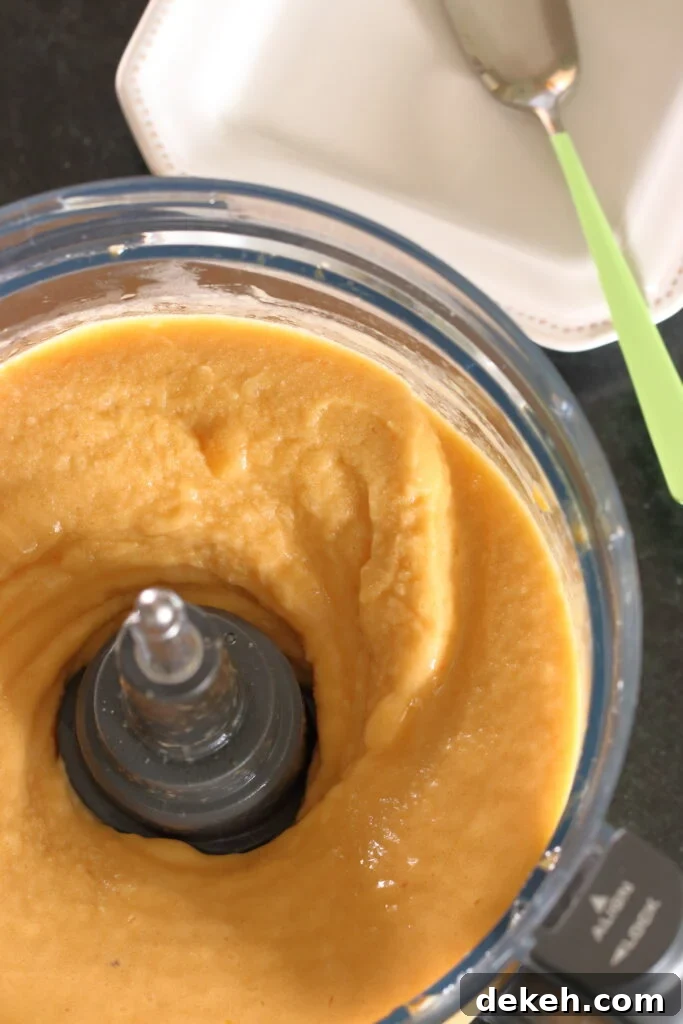
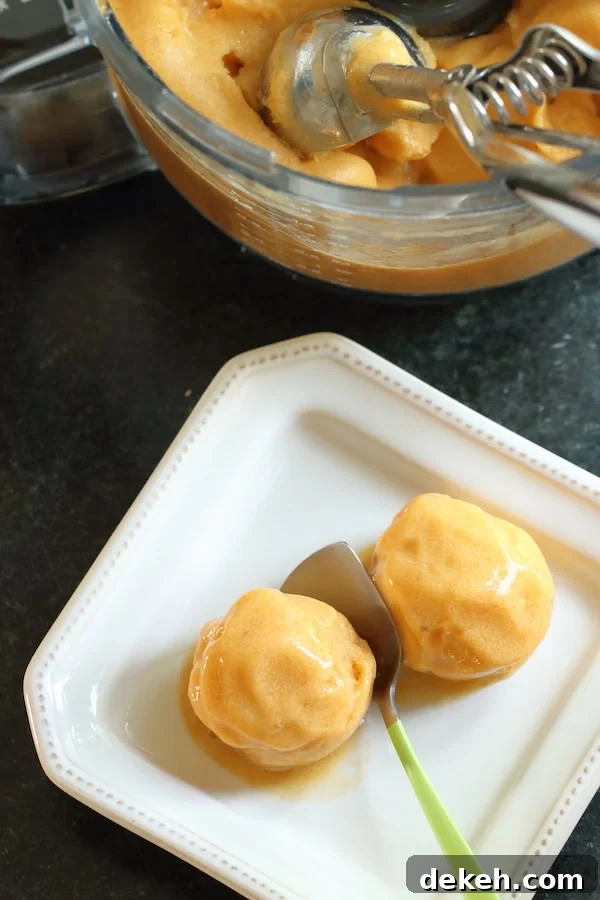
Blend frozen fruit in a food processor or high-speed blender. Add sweetener, citrus, or extracts if desired, but it’s optional. Serve immediately. Adding frozen banana improves creaminess.
2. Freeze & Stir
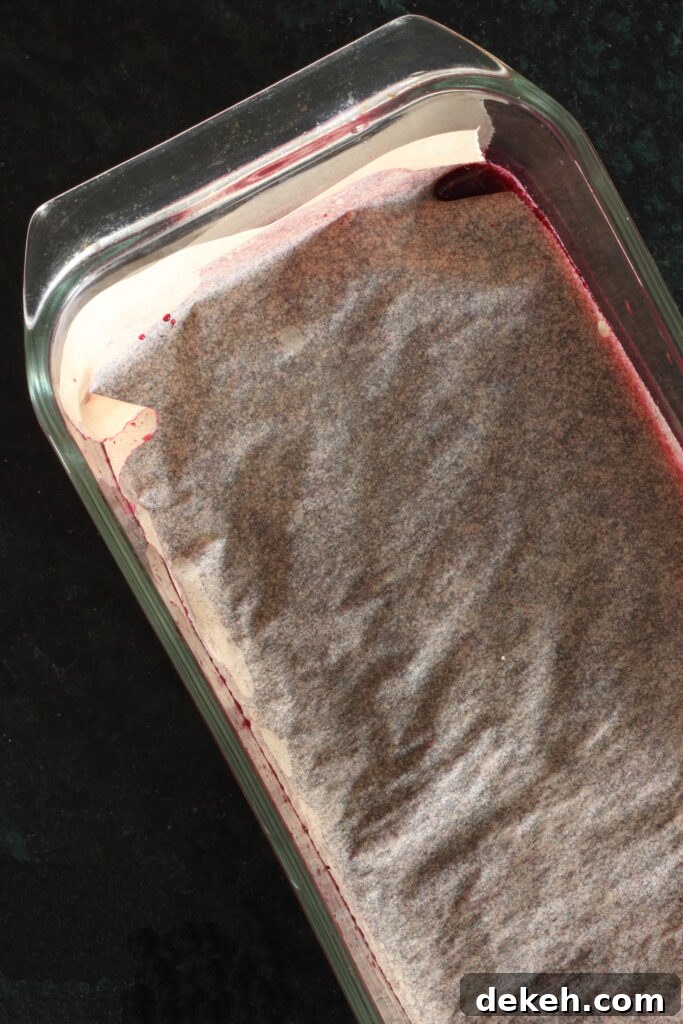
Blend fresh or frozen fruit with simple syrup, then spread the mixture in a freezer-safe glass loaf pan. Lay parchment directly on the surface and freeze in the coldest part of the freezer.
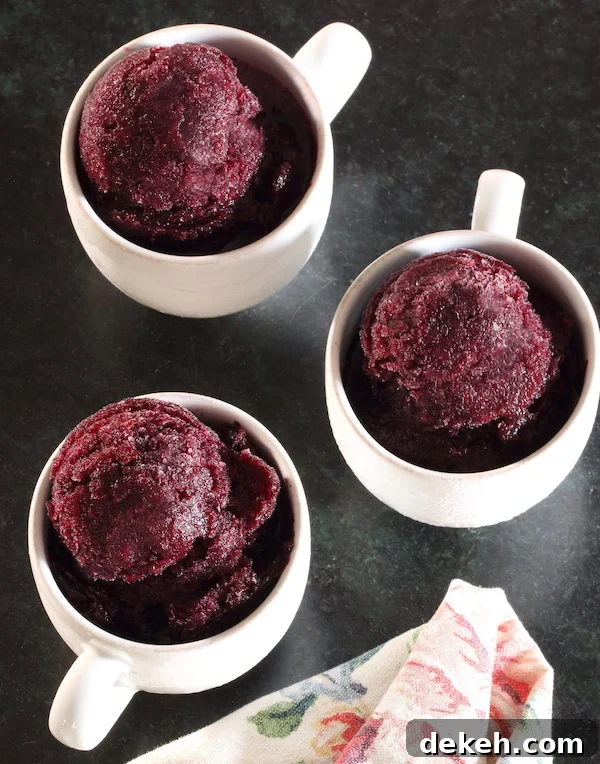
After about 45 minutes stir and mash the mixture, paying attention to the edges. Repeat every hour for several hours to disrupt crystal formation. Re-blend or mash again just before serving.
3. Freeze & Blend
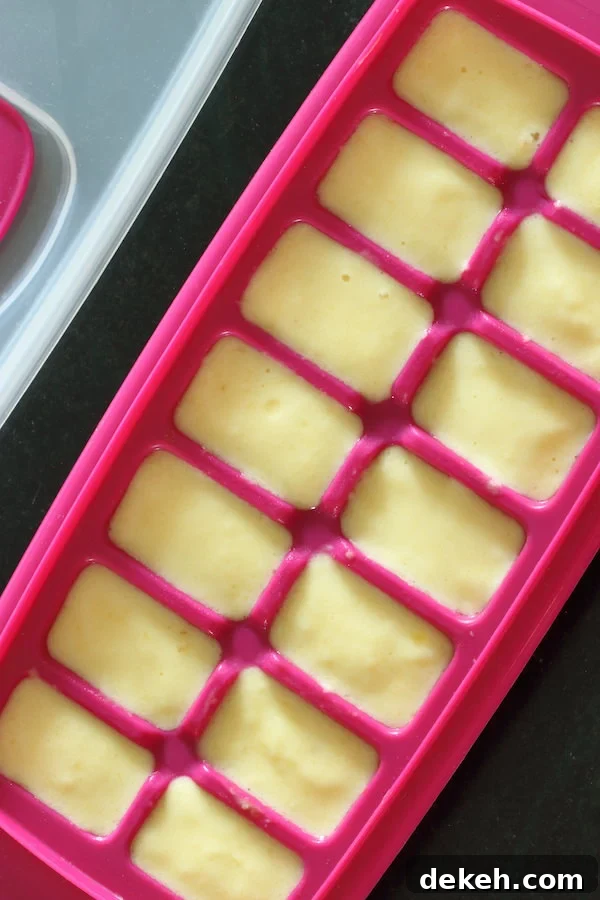
Blend fresh or frozen fruit with simple syrup, spoon the mixture into ice cube trays, and freeze. When ready to serve, blend several frozen cubes in a food processor until smooth.
Plan on 3–4 cubes per serving, blended just before eating.
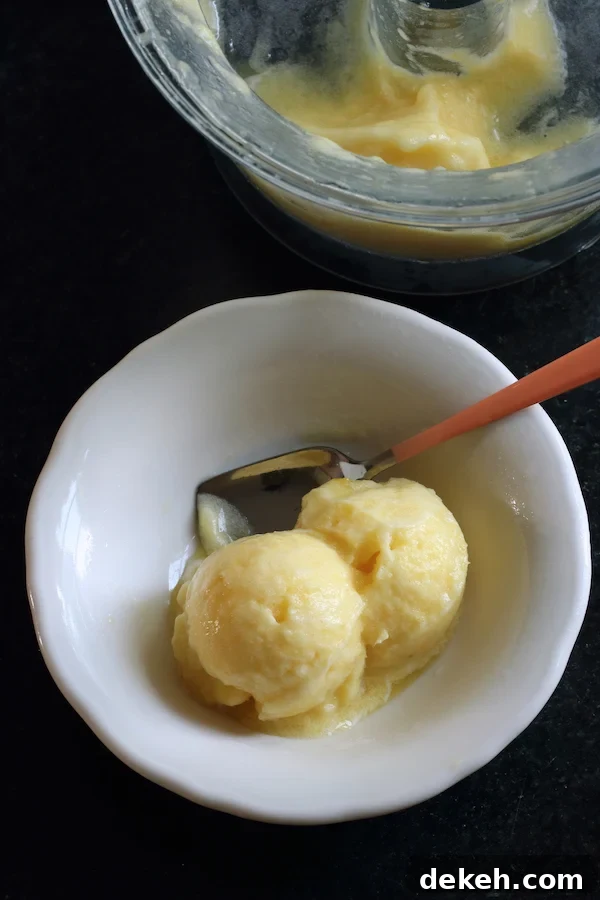
Serving Tip:
Use a chilled scooper and chilled bowls for best presentation.
Pros & Cons of No-Churn Methods
1. Easy (no-stir)
Pros
- No added sweetener required
- Fast and simple
Cons
- Cannot be stored frozen without becoming icy and hard
- Melts quickly and has a smoothie-like texture
2. Freeze & Stir
Pros
- Makes scoopable sorbet you can store in the freezer
Cons
- Some ice crystals may still form
- Requires regular attention while freezing
3. Freeze & Blend
Pros
- Relatively easy
- Produces scoopable sorbet
Cons
- Cubes must be re-blended just before serving
If sorbet melts or becomes icy, simply reprocess it using one of the above methods and it will recover.
How to Make Sorbet WITH an Ice Cream Maker (Churn Method)
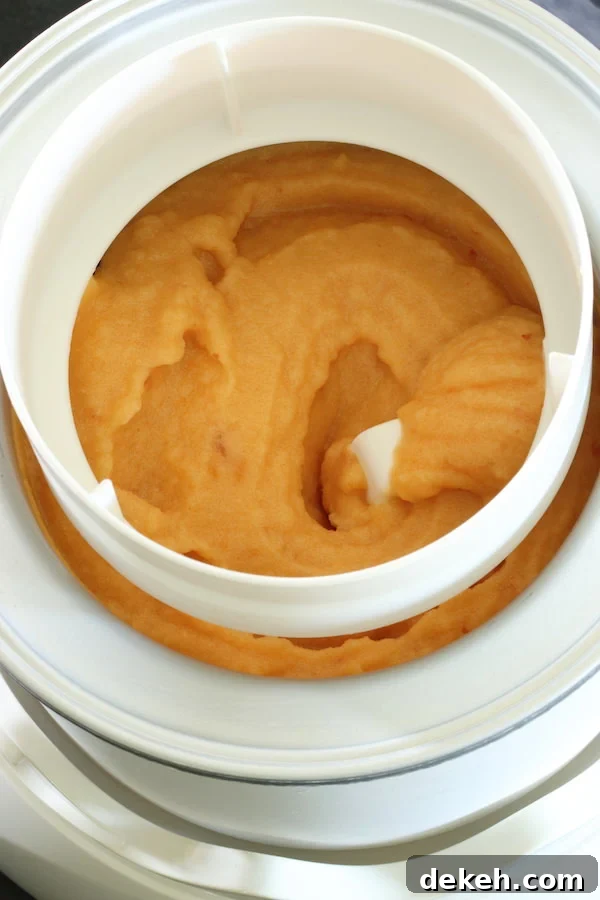
Method Overview
- Freeze the ice cream maker’s canister for 12–24 hours.
- Prepare simple syrup and chill it in advance.
- Blend fruit and syrup, then refrigerate the mixture until very cold.
- Churn according to the manufacturer’s instructions for 15–20 minutes.
- Freeze the churned sorbet for at least two hours before serving.
Churn-Method Tips for Success
This method produces the smoothest sorbet, but attention to a few details will improve results: use a fully frozen canister, very well chilled base, and enough simple syrup to prevent iciness. After churning, allow the sorbet to firm in the freezer for a couple hours for the best scoopable texture.
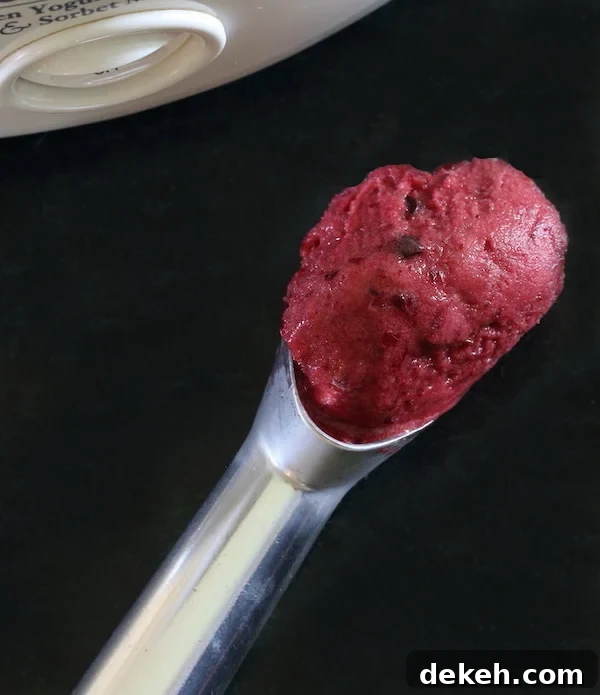
- Review your ice cream maker’s instructions, especially if it’s been idle.
- Ensure the canister is fully frozen; if you hear sloshing it’s not ready. Freeze 12–24 hours in a 0°F freezer, placing the canister at the back for best results.
- Chill the sorbet base thoroughly before churning; starting cold helps the machine work properly.
- Use sufficient syrup to avoid an icy final product.
- After churning, refrigerate or freeze for about two hours to reach optimal scoopability.
Pros & Cons of Using an Ice Cream Maker
Pros
- Produces the creamiest, smoothest sorbet
- Sorbet can be stored in the freezer and scooped as needed
- Requires planning but is straightforward once steps are prepared
Cons
- Needs an ice cream maker and a frozen canister
- Requires pre-freezing the canister 12–24 hours
- The base and syrup must be well chilled before churning
More Tips for Making Sorbet (Any Method)
Types of Fruit
Any fruit or fruit juice can be used. Use fruits at peak ripeness for best sweetness and flavor. Combining fruits or adding vegetables can yield creative flavors. Firm fruits like apples, pears, or rhubarb benefit from cooking and using the cooking liquid in the syrup.
Savory Sorbets
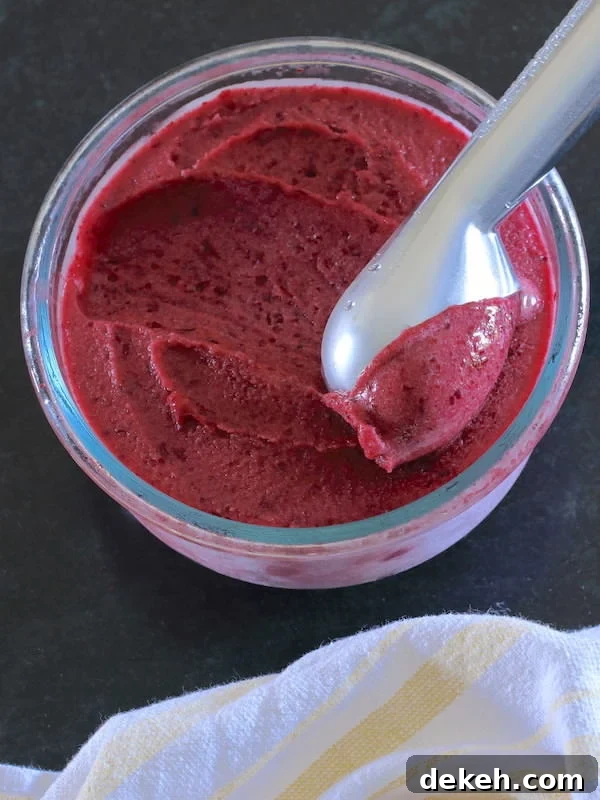
Savory options are possible too: cucumber, tomato, avocado, and vegetable juices like carrot or beet make interesting sorbets. Herbal teas, coffee, and chocolate are also valid bases.
How to Deal with Seeds and Skins
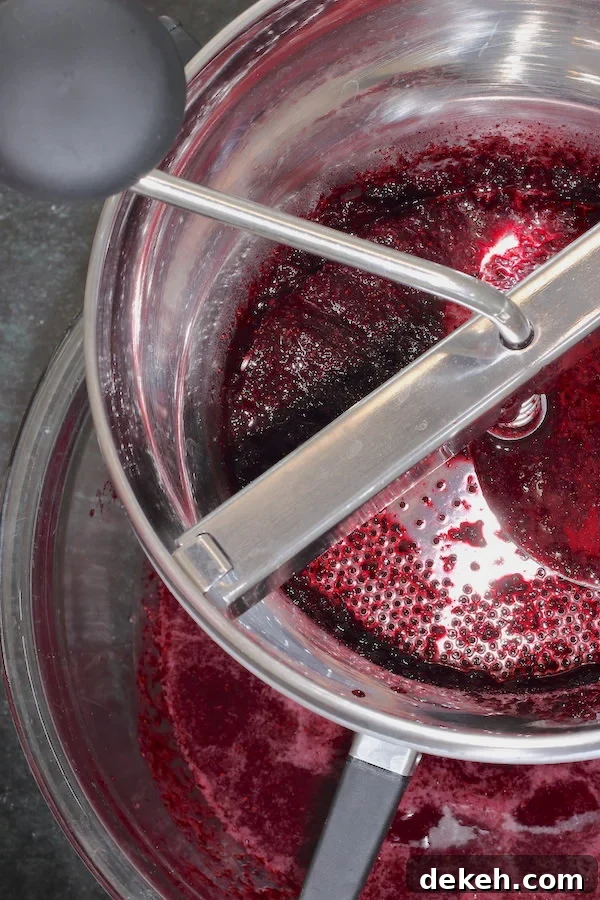
For seed-heavy berries, strain seeds using a food mill or a fine mesh strainer for a smoother texture. Skins are fine for peaches, cherries, grapes, apricots, plums, and similar fruits, but peel thick skins (apples, kiwifruit) or any inedible skins like pineapple and mango.
Flavoring with Herbal Teas
Use herbal teas (hibiscus, rose hips, mint, ginger, etc.) in place of water for your simple syrup to add layered flavor and nutritional benefits.
Citrus
Add 1–2 tablespoons of lemon, lime, or orange juice per quart to balance sweetness and brighten flavor. Zest can also enhance aroma.
Additional Ingredients
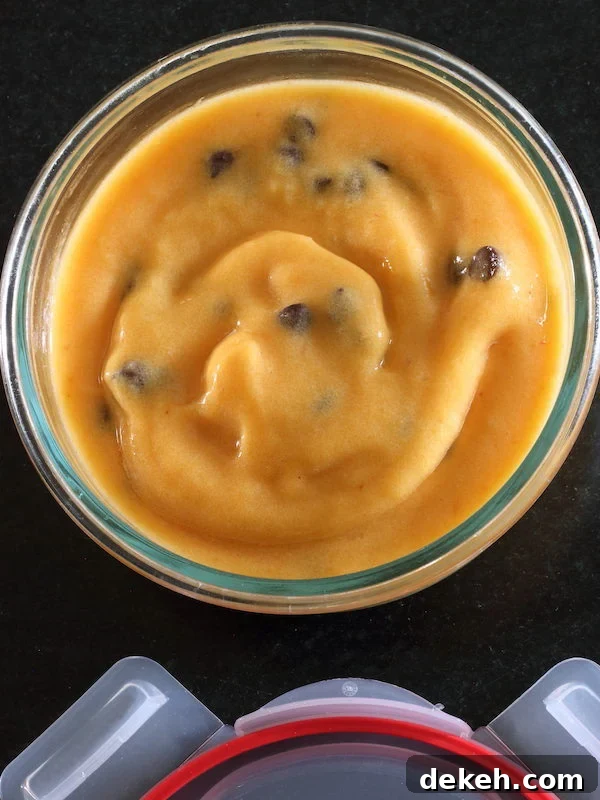
Occasional add-ins like bittersweet chocolate chips, shredded coconut, or minced dried fruit can add texture and interest.
Containers for Freezing/Storing Sorbet
- Use 1-quart freezer-safe glass containers with snap-on lids for churned sorbet.
- Glass loaf pans work well for “freeze & stir” because the shallow shape allows faster, more even freezing.
- BPA-free covered ice cube trays are convenient for the “freeze & blend” method.
If you enjoyed this post, try the author’s Perfect Peach Sorbet recipe.