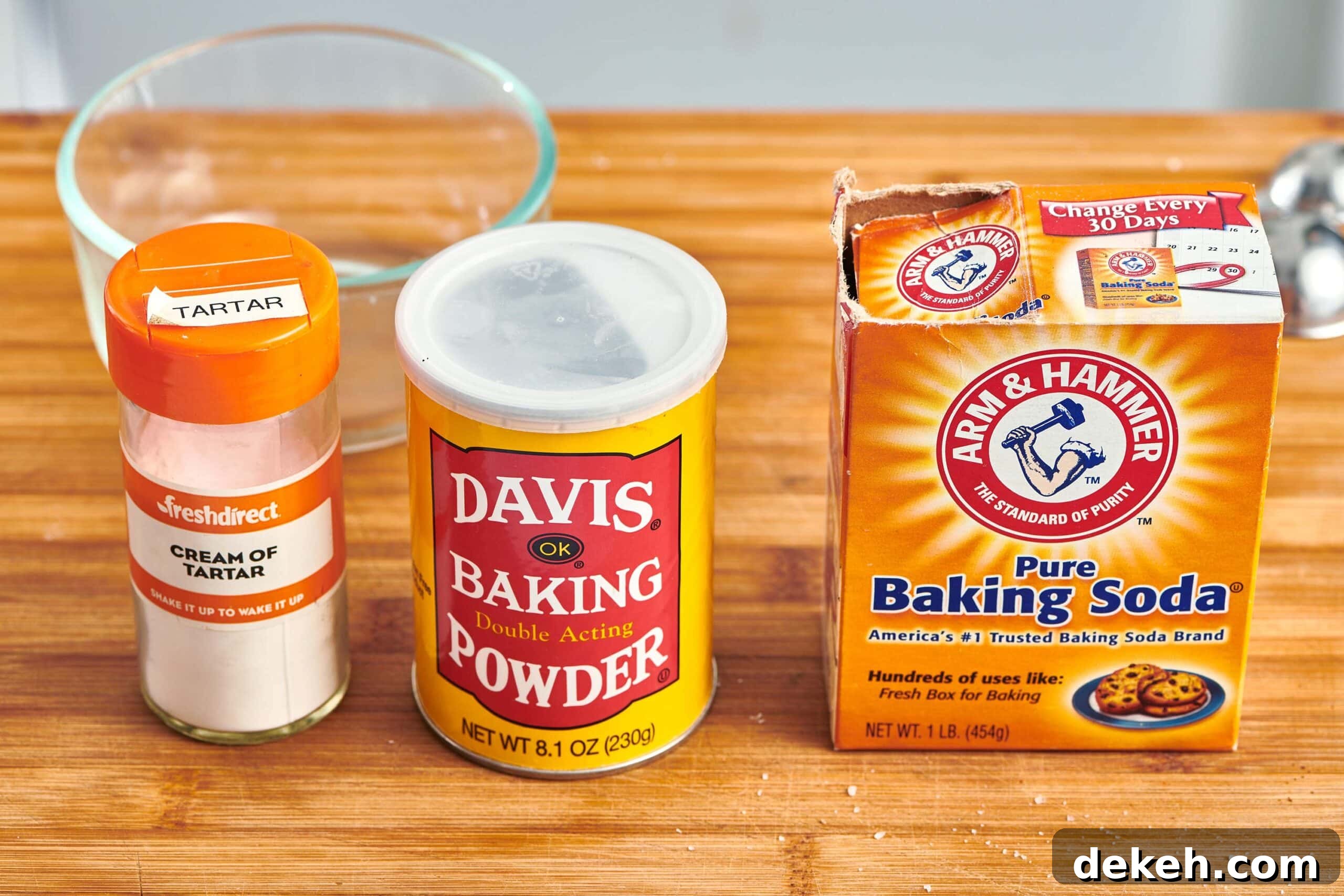
It happens to the best bakers: you reach for a leavener only to discover you have baking soda when the recipe calls for baking powder, or vice versa. Fortunately, you can usually swap one for the other with a few adjustments, saving you a trip to the store. Below is a clear guide to what these ingredients are, how they work, and how to substitute one for the other.
- What Is a Leavener?
- What Is Baking Soda?
- What Is Baking Powder?
- FAQs
- How to Turn Baking Soda into Baking Powder
- Recipes With Baking Soda
- How to Substitute Baking Powder for Baking Soda
- Recipes With Baking Powder
- Baking Powder Substitute Recipe
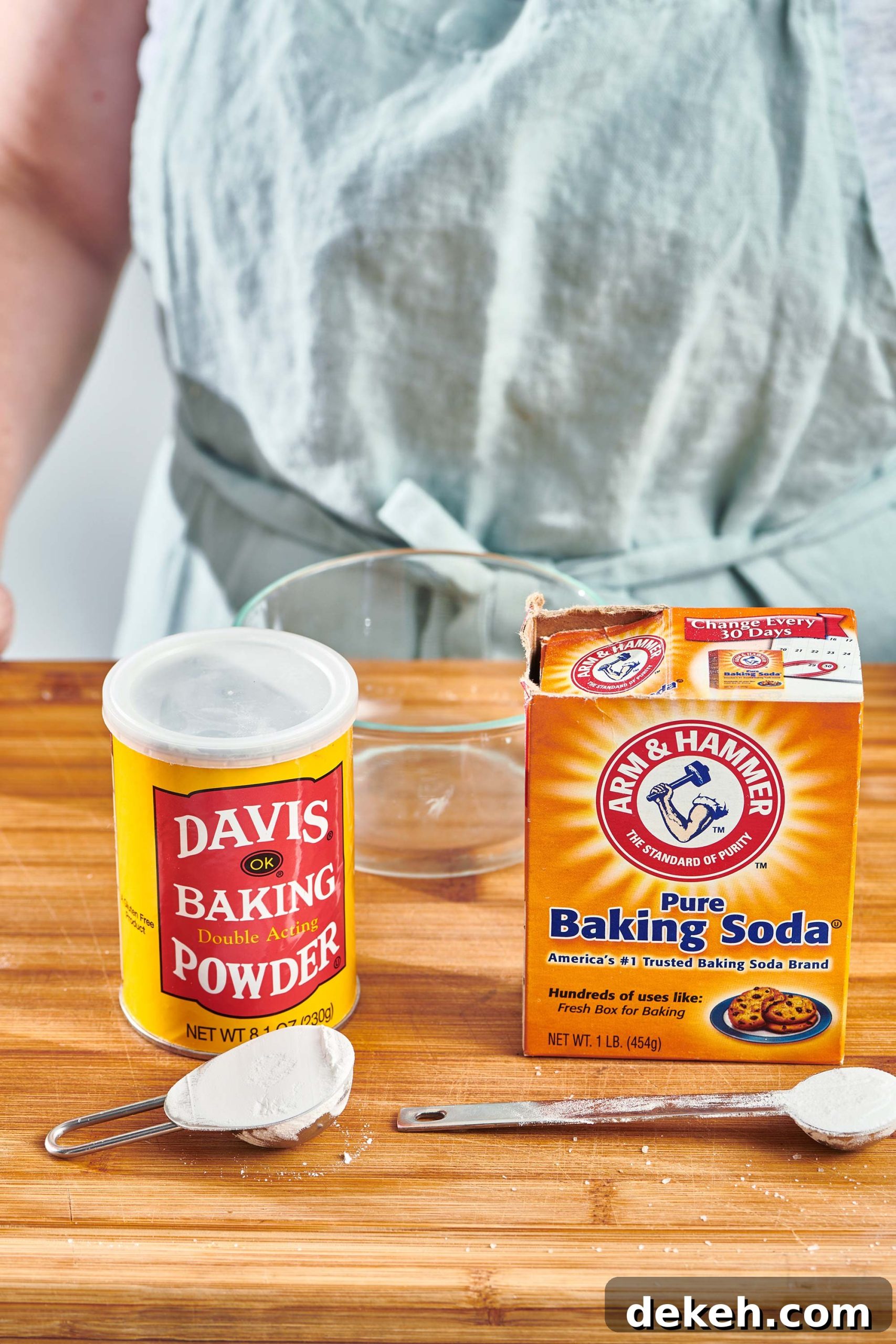
How to Substitute Baking Soda and Baking Powder: What to do when you’re ready to bake but don’t have the right leavener!
What Is a Leavener?
Leaveners, also called leavening agents, are the chemical or biological ingredients that make baked goods rise and develop a light, porous structure. They’re responsible for the texture of breads, cookies, cakes, muffins, and other baked treats. Too little leavening prevents proper rise; too much can cause collapse or an off taste. Follow the recipe amounts or use an appropriate substitute for the best results.
Yeast is the main organic leavener used for traditional bread that requires time to ferment and rise. For quicker recipes—like cookies, quick breads, and many cakes—bakers use baking soda or baking powder so you can mix and bake immediately.
What Is Baking Soda?
Baking soda is sodium bicarbonate, a fast-acting alkaline leavener. It reacts with acids (such as cocoa, buttermilk, yogurt, molasses, lemon juice, or brown sugar) in the presence of moisture to produce carbon dioxide bubbles that lift a batter or dough. Because this reaction starts as soon as wet and dry ingredients are combined, you should mix and bake quickly to capture the lift.
If a recipe has no acidic ingredient, using baking soda alone can leave a metallic or soapy taste. Baking soda is roughly three times as powerful as baking powder, so use it sparingly and only when the recipe includes an acid.
What Is Baking Powder?
Baking powder contains baking soda plus an acid (often cream of tartar) and sometimes a starch to keep it dry. Because the acid is included, baking powder only needs liquid and heat to produce lift. It’s less potent than baking soda—about one-third the leavening strength—so you must use more baking powder to achieve the same effect.
What Does Double-Acting Baking Powder Mean?
Double-acting baking powder releases gas in two stages: once when it becomes wet and again when heat is applied in the oven. Most commercial baking powders are double-acting and will be labeled accordingly.
FAQs
An unopened box of baking soda can last up to about two years; an opened box remains effective for roughly six months. It may still work after that but with reduced potency. Don’t use the box you keep in the fridge for deodorizing in recipes, as it will absorb odors.
Once opened, baking powder is best used within six months. An unopened container can last around a year and a half. Over time it loses strength, so buy amounts you’ll use within a reasonable period and mark the date you opened the container.
Baking soda is pure sodium bicarbonate and needs an acid plus liquid and heat to activate. Baking powder contains sodium bicarbonate plus an acid, so it needs only liquid and heat. Use baking soda when a recipe includes an acidic ingredient; use baking powder when there’s no acid in the recipe.
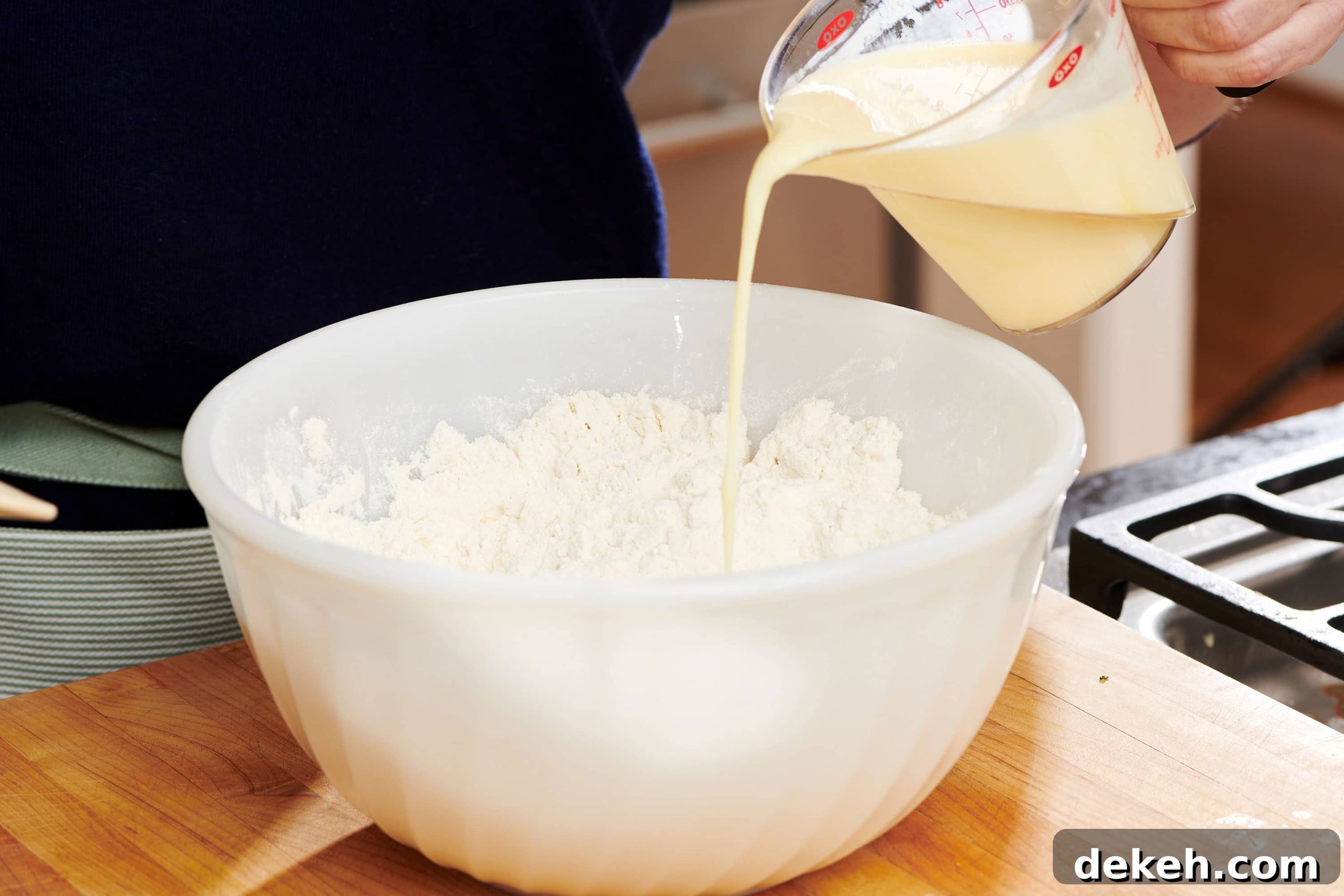
How to Turn Baking Soda into Baking Powder
You can make a substitute for baking powder using baking soda plus an acid. The simple ratio is:
- 1/3 teaspoon baking soda for every 1 teaspoon baking powder called for
- 2/3 teaspoon baking soda for 2 teaspoons baking powder
- 1 teaspoon baking soda for 1 tablespoon baking powder
For a closer match to commercial baking powder, add cream of tartar if you have it. Use twice the amount of cream of tartar as baking soda:
- 1/3 teaspoon baking soda + 2/3 teaspoon cream of tartar = 1 teaspoon baking powder
- 2/3 teaspoon baking soda + 1 1/3 teaspoons cream of tartar = 2 teaspoons baking powder
- 1 teaspoon baking soda + 2 teaspoons cream of tartar = 1 tablespoon baking powder
Recipes With Baking Soda
- Snickerdoodles
- Oatmeal cookies
- Mexican hot chocolate cookies
- Mini banana bread loaves
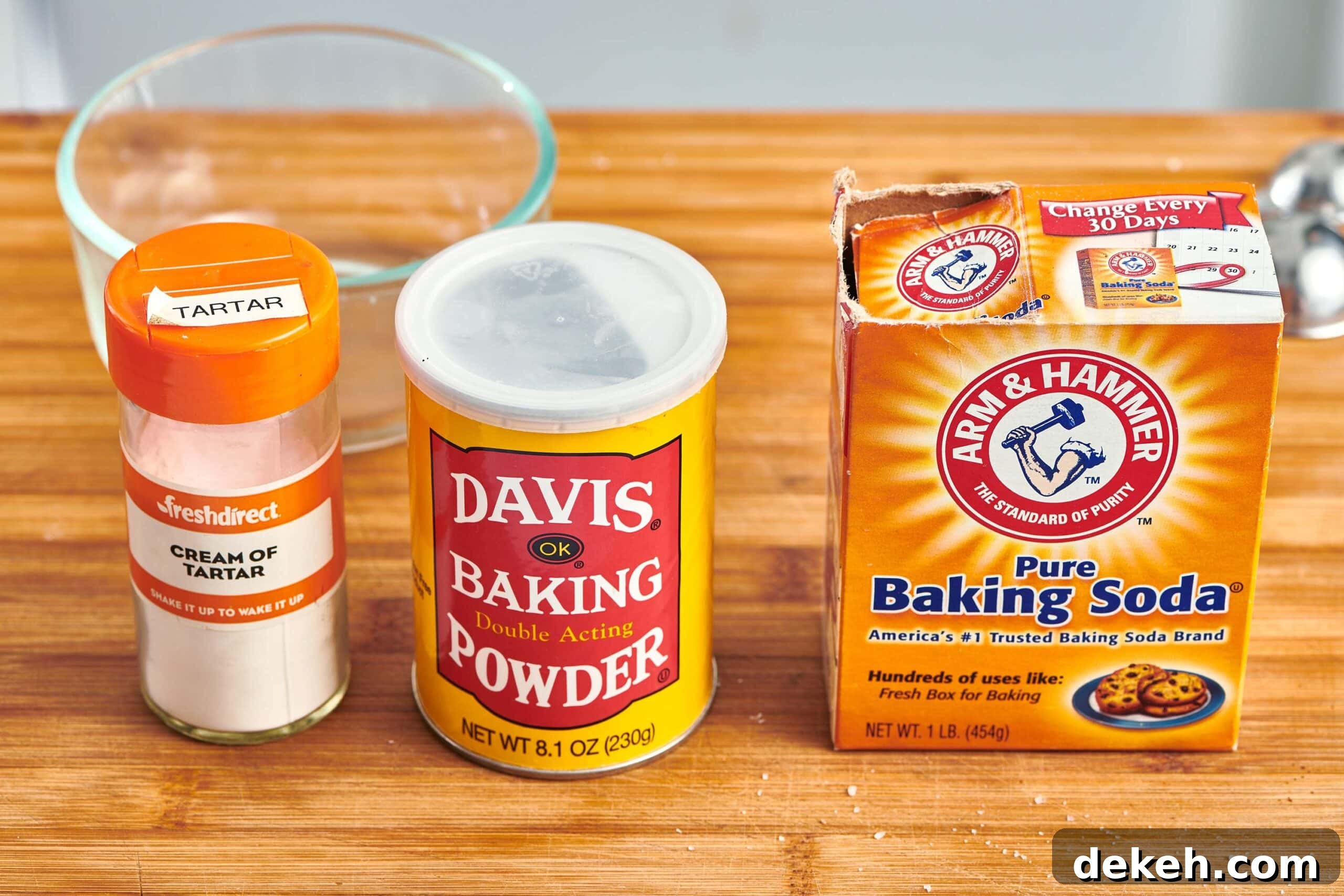
How to Substitute Baking Powder for Baking Soda
Substituting baking powder for baking soda is possible but less ideal because baking powder is weaker. You’ll generally need about three times more baking powder to equal the lift of baking soda. Using that much baking powder can introduce a bitter or chemical taste, so proceed cautiously.
- If a recipe calls for 1 teaspoon baking soda, substitute 1 tablespoon (3 teaspoons) baking powder.
- If the recipe needs more than 1 teaspoon of baking soda, consider waiting until you have the correct ingredient or use an alternate recipe; large substitutions can compromise texture and flavor.
Recipes With Baking Powder
- Beer bread
- Cheddar jalapeño cornbread
- Dried cherry scones
- Apple coffee cake
- Bubble waffles
Also see How to Make Self-Rising Flour for another handy shortcut when baking.
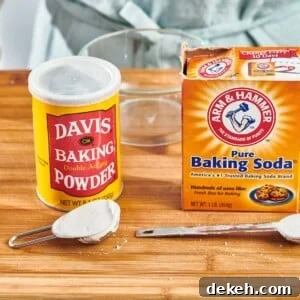
Baking Powder Substitute
Ingredients
- ⅓ teaspoon baking soda
- ⅔ teaspoon cream of tartar (optional)
Instructions
Easiest Baking Powder Substitute:
-
Use 1/3 teaspoon baking soda for every 1 teaspoon baking powder called for in the recipe.
Baking Powder Substitute With Cream of Tartar:
-
To make 1 teaspoon baking powder substitute: combine 1/3 teaspoon baking soda with 2/3 teaspoon cream of tartar and mix thoroughly.
Notes
- For 2 teaspoons baking powder: 1/3 teaspoon baking soda + 1 1/3 teaspoons cream of tartar
- For 1 tablespoon baking powder: 1 teaspoon baking soda + 2 teaspoons cream of tartar
To substitute baking powder for baking soda:
Because baking powder is weaker, you would need about three times as much to equal baking soda. This can affect flavor and texture; if the recipe calls for more than 1 teaspoon of baking soda, consider obtaining the correct ingredient.
- 1 teaspoon baking soda ≈ 1 tablespoon (3 teaspoons) baking powder
- For larger amounts of baking soda called for, it’s best to get the right leavener.