by Debra Karplus
Heating a home can be expensive, especially in regions with distinct seasons. Supplementing a furnace with wood heat or another alternative fuel source can help reduce winter electric and gas bills. This article outlines the history of wood heat, the different options available, the importance of fuel choice, and practical considerations before purchasing and installing a wood or pellet stove.
A Quick History of Wood Heat for Homes
Long before central furnaces and HVAC systems, people relied on open fires and fireplaces to warm their homes. Fireplaces became common in the 1600s and remain prized for ambiance, but they are not the most efficient way to heat a house because a large portion of the heat escapes up the chimney.
Improvements in stoves provided more efficient solutions. Cast iron stoves and, later, the Franklin stove invented by Benjamin Franklin offered better heat retention and fuel efficiency. By the 1820s, many stoves allowed cooking on top or even inside the unit, making them multifunctional household appliances.
Many Homes Still Rely on Wood Heat as a Heat Source
Although most modern homes use furnaces or HVAC systems as the primary heat source, many households still use wood—either as a primary source in rural or off-grid homes, or as a supplemental heat source to lower overall energy costs.
Wood heating requires an initial investment in a stove and installation, plus ongoing costs for fuel and chimney maintenance. If you can source free or low-cost firewood locally, a wood-burning stove can be a very cost-effective option. Stoves vary in price depending on size and features; larger models and units with blowers or decorative finishes can cost more. Installation expenses can increase significantly if a new chimney or special venting is required. Importantly, never use the same chimney for both a gas furnace and a wood burner, as that can create a fire risk.
The Choice of Firewood Makes a Difference
Not all firewood performs the same. Properly seasoned firewood—wood that has dried for the appropriate amount of time—burns more efficiently, produces more heat, and reduces creosote buildup in the chimney. Fresh or unseasoned wood is harder to ignite, yields less heat, and increases creosote accumulation, which is a fire hazard. Pine and other resinous softwoods can be problematic because of sap and creosote formation.
Hardwoods such as hickory, oak, and maple offer higher heat output and longer burn times compared with many softwoods. Softwoods like birch and willow burn faster and produce less sustained heat. Learn which tree species are common in your area and plan drying and storage accordingly to maximize heat and minimize maintenance.
A Pellet Stove May Be a Better Option
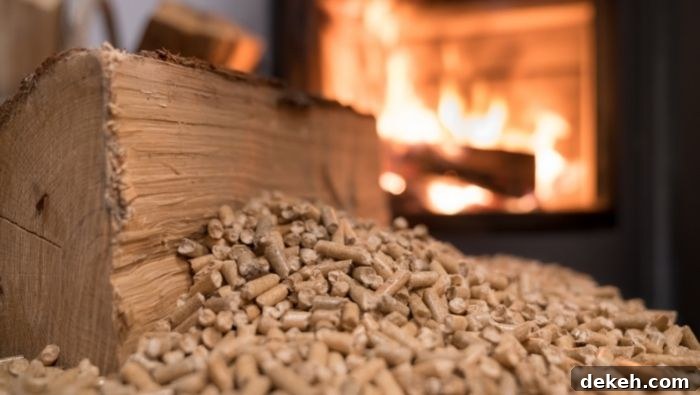
If free or inexpensive firewood is not an option, pellet stoves are an efficient alternative. Pellet stoves burn compressed wood pellets (or other biomass in some models) and offer automated feed systems that maintain a steady burn without frequent tending. Pellet stoves typically cost more up front than basic wood stoves, with prices ranging from mid-range to higher-end models. Installation also adds to the cost.
Fuel costs for pellets are usually reasonable. Depending on how warm you keep your home, an average household may use approximately a ton of pellets per season, which can be stored in a compact space. Pellet stoves are popular because they are easy to use, produce steady heat, and are relatively clean to operate compared with traditional wood stoves. A related option is a corn stove designed to burn whole-kernel corn; these can be less expensive than pellet stoves but more costly than basic wood burners.
Evaluate All Aspects of Wood Heat Before Buying
Wood and pellet stoves come in several installation configurations: freestanding units, fireplace inserts, or basement installations connected to the home’s duct system to distribute heat. Before purchasing, check with your insurance agent to confirm coverage and any requirements for installation such as clearances to walls. Obtain any special requirements in writing.
Costs vary by model, region, and time of year. Contact local extension services, dealers, and fuel suppliers to estimate annual fuel consumption and costs for your area. Compare the total cost of purchase, installation, fuel, and maintenance to determine which option is most economical and practical for your home.
Sitting by a wood stove or fireplace is also a family-friendly activity—reading, playing games, or relaxing together while staying warm. When planned and installed properly, wood heat can be a sensible, money-saving addition to your home heating strategy.
About the Author
Debra Karplus is an occupational therapist, accountant, teacher, and freelance writer. Learn more about her at DebraKarplus.blogspot.com.