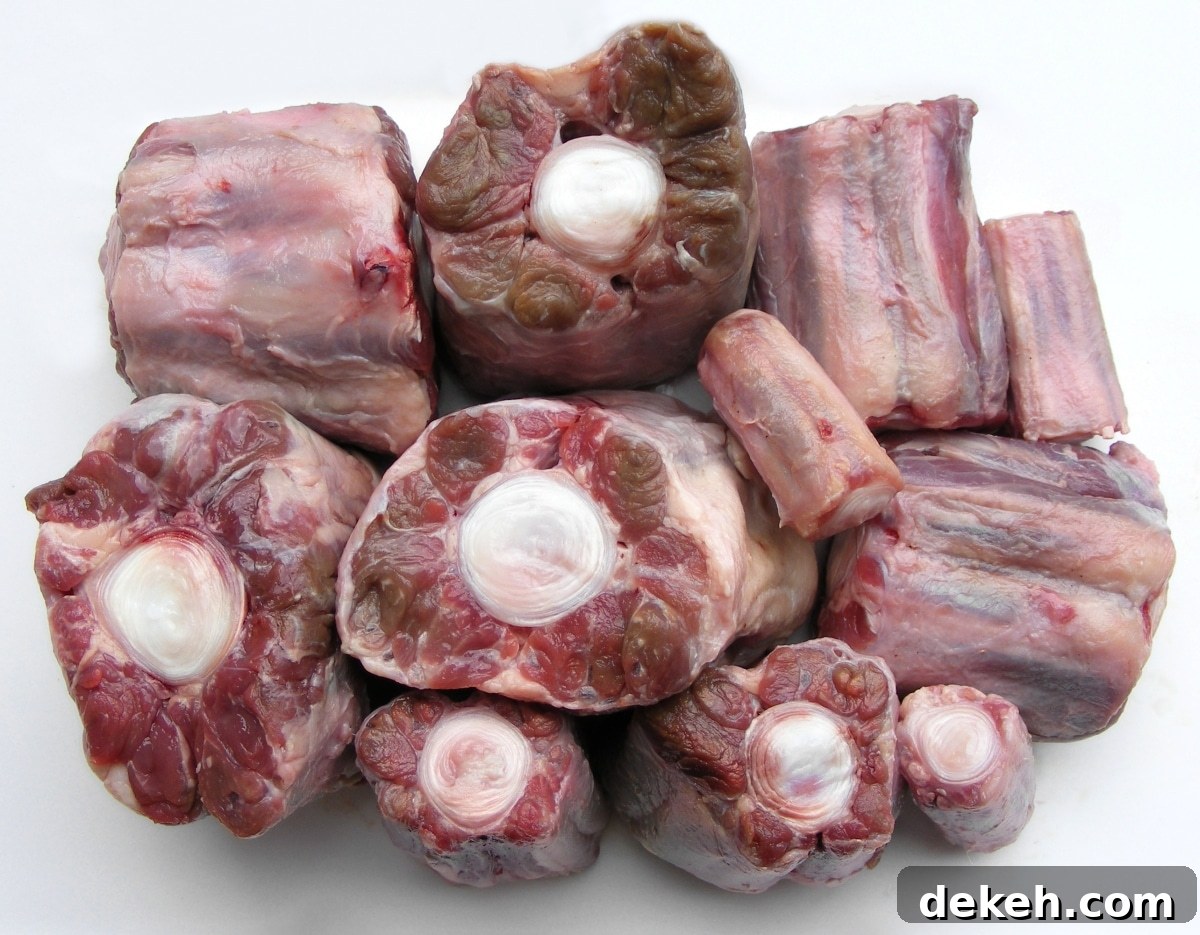
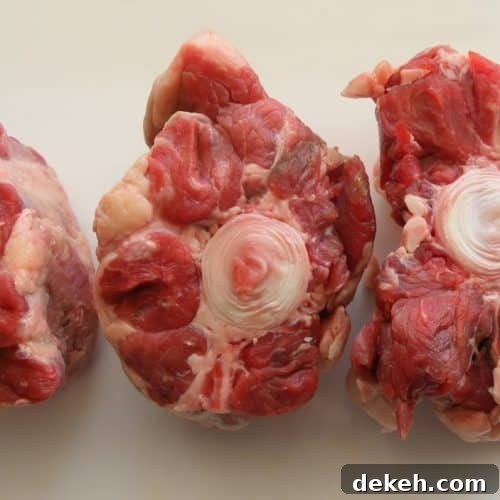
Oxtails come from the tail joints of cattle, pigs, or sheep and offer a deep, beefy flavor that turns simple dishes into comforting, memorable meals. Slow, gentle cooking breaks down the connective tissue and collagen, yielding meat that falls from the bone and a rich, gelatinous broth that enhances stews, soups, and braises. Loved by fans of slow-cooked food, oxtails reward patience and the right technique, delivering a texture and depth of flavor similar to beef short ribs.
Commonly featured in stews, soups, and braised dishes, oxtails are affordable in concept but often fetch higher prices and can be harder to source than other cuts. Several factors explain this: limited yield per animal, the labor needed to trim and prepare the pieces, and the fact that oxtails are usually sold for specialty dishes rather than as a generic cut at every supermarket.
Why are oxtails so expensive?
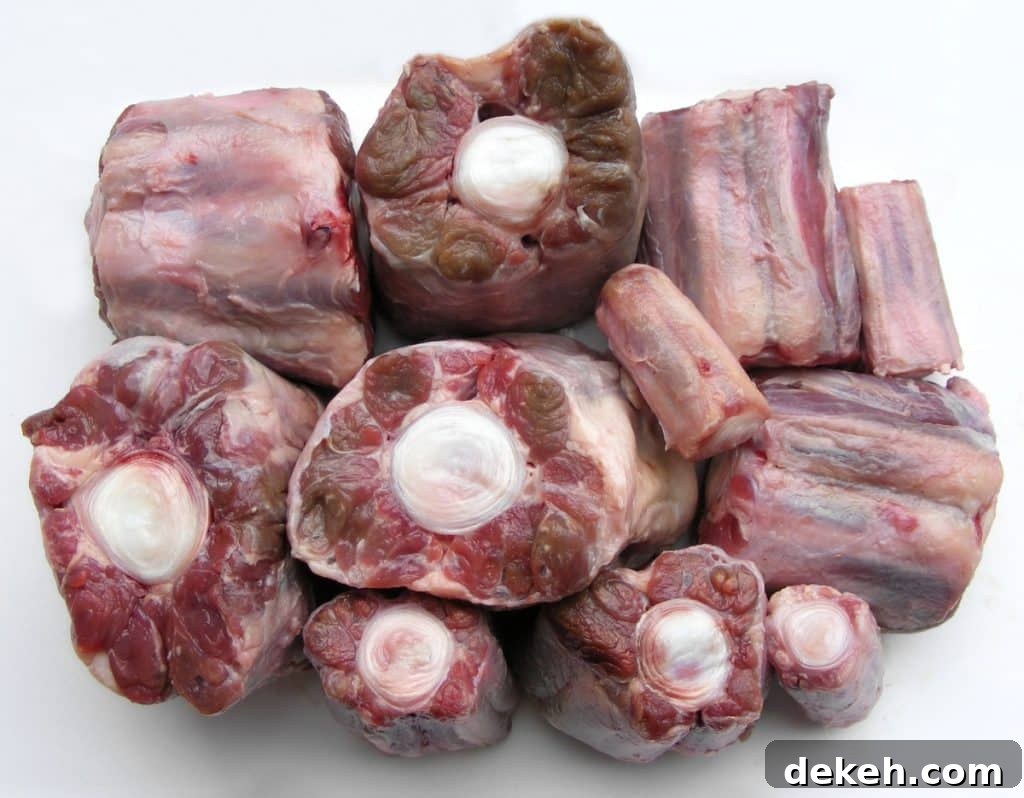
Oxtails come from the tailbone area, a limited portion of the animal. Because each animal yields only a small amount of usable tail meat, availability is constrained. The cut also contains substantial fat, cartilage, and connective tissue, which need low-and-slow cooking—often hours—to render tender and flavorful. Those long cooking times, combined with the trimming and preparation required, add to the perceived value and cost.
Retail labeling can vary—oxtails may appear as “oxtail stew” or “oxtail soup” packages in markets and butchers—so they aren’t always easy to spot. When a recipe calls for oxtails, it often pairs them with additional ingredients like stock, wine, or mushrooms that contribute to total cost. Specialty butchers and online vendors that supply oxtails in larger or premium quantities typically charge a premium as well.
How are oxtails prepared?
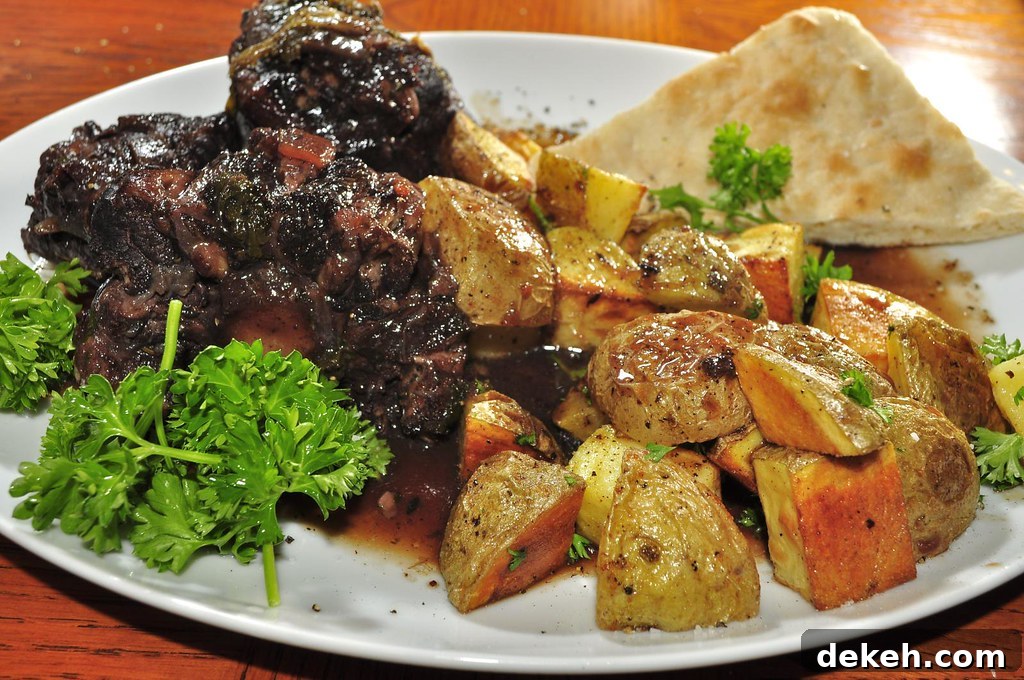
Oxtails are cleaned, trimmed, and cut into sections before cooking. Trimming removes excess fat and gristle while exposing the marrow-rich center of each vertebra. Typical preparation methods include searing to build flavor, then braising or simmering slowly in liquid until the meat is tender. Many cuisines season oxtails with aromatics like garlic, ginger, and onions, as well as soy sauce, wine, herbs, or spices depending on the regional style.
There is no single “right” recipe for oxtails, but general guidelines apply: larger pieces and fattier cuts require longer cooking, and low, gentle heat for several hours produces the best results. A fork should easily pierce the meat and the juices should run clear when the oxtail is done. Once cooked, oxtails can be served immediately or stored refrigerated for several days and reheated for soups and stews.
How do oxtails differ from other meats?
Oxtails are notable for their high collagen and connective tissue content. That collagen melts into gelatin during slow cooking, giving the broth body and a silkiness many other cuts lack. While some meats are prized for leanness, oxtails are prized for their richness and mouthfeel. Properly cooked, they are succulent and deeply flavored; improperly cooked, they can be tough. Choosing fresh vs. frozen and noting bone size both influence flavor and cooking time—larger bones can deepen the taste of the broth.
Nutritional value
Oxtails supply protein and several essential minerals and vitamins. They are a good source of iron and vitamin B12, which support blood health and nerve function. Oxtails also contain zinc, phosphorus, copper, selenium, and potassium. Because much of the nutrition is bound up in the gelatinous broth, slow-simmered preparations are an efficient way to extract these benefits. Calorie and fat content vary by preparation, but a typical portion provides substantial protein and collagen while delivering satisfying flavor.
How long do oxtails take to cook?
Oxtails usually require several hours of cooking to become tender—commonly three to four hours on the stovetop or in the oven, or 8 to 12 hours on low in a slow cooker. Cooking time depends on piece size, trimming, and method. Techniques to shorten the time include pre-soaking in a salted or acidic solution, using a pressure cooker, or cutting oxtails into smaller pieces. Regardless of method, the goal is the same: break down collagen so the meat is tender and the broth is rich.
Best cooking methods
Popular and reliable approaches include braising, slow cooking, and pressure cooking. Start by seasoning and searing the oxtails to brown the exterior and deepen flavor, then simmer gently in stock, wine, or a seasoned braising liquid with aromatics and vegetables. Low, consistent heat extracts gelatin and develops a full-bodied sauce—perfect with mashed potatoes, polenta, rice, or crusty bread.
Recipes that feature oxtails
Oxtails are versatile and appear in many regional dishes. Classic examples include oxtail stew, oxtail soup, oxtail bolognese, Jamaican oxtail, oxtail tagine, and oxtail with barley or polenta. They pair well with mushrooms, tomatoes, root vegetables, and bold herbs and spices. Because of their concentrated flavor, small amounts can enhance many slow-simmered dishes.
Are oxtails healthy?
When consumed as part of a balanced diet, oxtails can be a nutritious addition. Their iron and B12 content supports red blood cell formation and nerve health. The collagen and gelatin released during cooking support joint and gut health for some people. Like any rich meat, portion control and preparation choices—such as skimming excess fat—help integrate oxtails into a healthy eating plan.
What do oxtails taste like?
Oxtails deliver a deep, beefy, and slightly sweet flavor with a silky, gelatinous mouthfeel from rendered collagen. The taste is richer than many lean cuts and benefits from aromatic seasonings and a long simmer. Texturally, the meat becomes fall-off-the-bone tender when cooked properly, and the broth gains a concentrated savor that defines great oxtail dishes.
Tips for cooking oxtails
- Trim excess fat and pat oxtails dry before searing to achieve a good crust.
- Sear well over high heat to build flavor, then braise slowly in a flavorful liquid.
- Cook low and slow (or use a pressure cooker) until collagen has broken down and the meat is tender.
- Skim fat from the surface if you prefer a leaner final sauce, or refrigerate and remove solidified fat for a cleaner broth.
- Pair oxtails with root vegetables, mushrooms, wine, tomatoes, or bold spices to complement their rich flavor.
Where to buy oxtails
Oxtails are available from specialty butchers, some supermarkets, Asian and Caribbean markets, and online vendors. Prices vary by region and supply. If you can’t find them at your regular grocery, ask your local butcher—many will order or cut oxtails on request.
Slow Cooker Oxtails and Potatoes Recipe
Ingredients
- 8 to 10 oxtail pieces
- 12 potatoes
- 1 (12-oz) can cream of mushroom soup
- Salt and pepper, to taste
Instructions
- Place potatoes and oxtails in the bottom of a slow cooker.
- Pour the cream of mushroom soup over the top and season with salt and pepper.
- Cook on low for 10–12 hours, until oxtails are tender and potatoes are soft. Serve hot.
Video
Nutrition
Related Posts
How Long Do Cupcakes Last?

Tgi Friday’s Mozzarella Sticks Using Air Fryer

Is It Safe To Cook Stuffing Inside Of The Turkey?
Bake, Broil, Roast, Toast, Keep Warm – What Do They Mean?