Is your child ready for Kindergarten? Today we’ll cover practical things that help children feel confident on their first day. Below is a Kindergarten readiness checklist focused on life skills—not classroom content like sight words, but essential self-help and independence skills I’ve seen matter most from years as a teacher and parent.
These five non-academic skills aren’t required, but they can make the transition into Kindergarten much smoother and help your child feel more independent.
Update: This post was originally shared some years ago and is being reshared as families prepare for the coming school year. These life skills help children adapt quickly and confidently to their new classroom.
5 Non-Academic Skills to Help Your Kindergartener
Having taught Kindergarten and worked with young children, I know teachers always support students during that first week and beyond. Still, children who arrive with basic self-help skills often settle in faster and take part more readily in classroom routines.
Parents can teach these skills at home while preparing children for Kindergarten. They build confidence and help children feel comfortable in a classroom setting.
*Note: This post focuses on independence and self-help rather than academic readiness. There are other posts and resources for academic skills and sight words, but this checklist is about helping your child feel capable and confident.
How to prepare your child for Kindergarten:
Five things to teach your child before Kindergarten
Many parents wonder whether their child is ready. Some choose to delay entry, and others send children on time. Either way, these five practical skills help children start Kindergarten with success and pride. They may seem small to adults, but for a young child they can make a big difference.
From my experience as a teacher, play therapist, and parent, these skills matter more than you might expect when it comes to settling into a new classroom.
5 things to teach your child before Kindergarten with our Readiness Checklist
These life skills boost your child’s confidence and signal to teachers that the child can handle basic self-care independently. Small wins help children feel successful and ready to participate.
1. TEACH YOUR CHILD HOW TO TIE THEIR SHOES.
Shoe-tying can be broken into simple steps and practiced over several days. Start with the first part—making the X and pulling the first loop—then practice that repeatedly. Use everyday opportunities: have them tie cushions, aprons, or your shoes. Once they’re comfortable with the first step, introduce the remaining steps until they can complete the whole process.
- Teach the initial step (making the X and the first loop).
- Practice that step many times in short, patient sessions.
- Use real items: chairs, shoes, or cushions.
- Move on to the full tie when they’re ready.
Children will get frustrated sometimes—this is normal. Keep sessions short and encouraging. Most kids pick it up with regular practice and feel proud when they succeed. From a teacher’s perspective, independent shoe-tying saves class time and reduces interruptions.
2. TEACH YOUR CHILD TO OPEN A JUICE BOX OR SNACK BAG.
Knowing how to open common snacks is a surprisingly important kindergarten skill—especially on party days. Teach the steps clearly and practice them together:
- Remove the straw wrapper carefully so it doesn’t tear.
- Open the straw and set the wrapper aside.
- Insert the straw gently without squeezing the box.
- Enjoy the drink and then dispose of the box and straw properly.
Also practice opening small bags of chips, dried fruit, or candy so children can handle treats at school without needing constant adult help. These are simple, practical skills many kids won’t master unless someone shows them first.
3. TEACH BATHROOM INDEPENDENCE, HAND-WASHING AND BUTTONING PANTS.
Children should be able to use the bathroom independently, wash hands afterward, and manage basic clothing fastenings like buttons. If buttoning is difficult, consider sending pants that a child can fasten alone to avoid embarrassment or the need to leave class for help. Practice these routines at home until they’re comfortable doing them by themselves.
4. TEACH YOUR CHILD HOW TO GET WHAT THEY NEED.
Encourage your child to be responsible for routine needs: getting a pencil if it breaks, asking for help when lost on a page, or retrieving utensils from the cafeteria. Role-play common scenarios and explain classroom procedures—raising a hand, lining up to get supplies, or going to the supply area. Teach them to ask a teacher or go to the right place so they learn to solve small problems independently.
One child I taught came home saying he didn’t eat lunch because I hadn’t packed a spoon—he didn’t know cafeteria utensils were available. A quick conversation about where to find help goes a long way toward building independence.
5. KNOW THE BASICS: NAME, PHONE NUMBER, AND ADDRESS.
Make sure your child can say their full name (including last name), phone number, and address. These details are important for safety and for helping teachers get the right information quickly. Practice saying and spelling the last name, and rehearse the phone number and home address in simple, memorable ways.
If a child struggles to remember, use practical cues—like a small card in a shoe during outings—until they feel secure reciting the information themselves. Teaching these basics gives both you and your child added peace of mind.
What About Academic Kindergarten Readiness?
Academic readiness is valuable too. Kindergarten is designed to teach foundational academic skills, but giving your child a gentle foundation at home helps them feel prepared and confident. Simple activities like reading together and practicing sight words can speed early progress.
Reading aloud regularly is one of the best things you can do—read often and enjoy it together. Repetition and exposure to language support early literacy and help children transition into classroom learning smoothly.
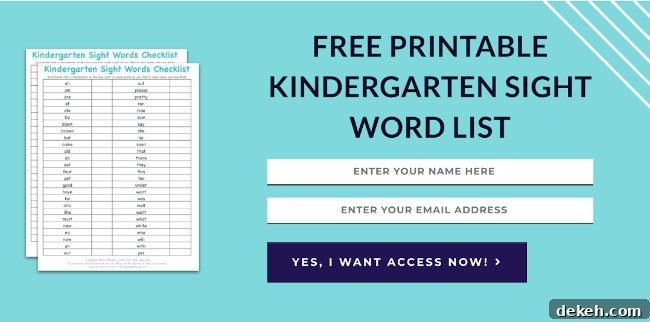
Downloadable sight word lists and printable activities can also help if you want extra academic practice at home.
Kindergarten is an exciting milestone. Use this life-skills checklist to prepare your child for independence, and enjoy watching them grow through the year.
PS — Stay involved. Volunteer when you can or check in with your child’s teacher early in the year. Many teachers welcome parent volunteers for classroom activities, parties, or prep work you can do from home. Helping in small ways builds a connection with the school and supports your child’s success.
MORE KINDERGARTEN POSTS YOU MIGHT LIKE: