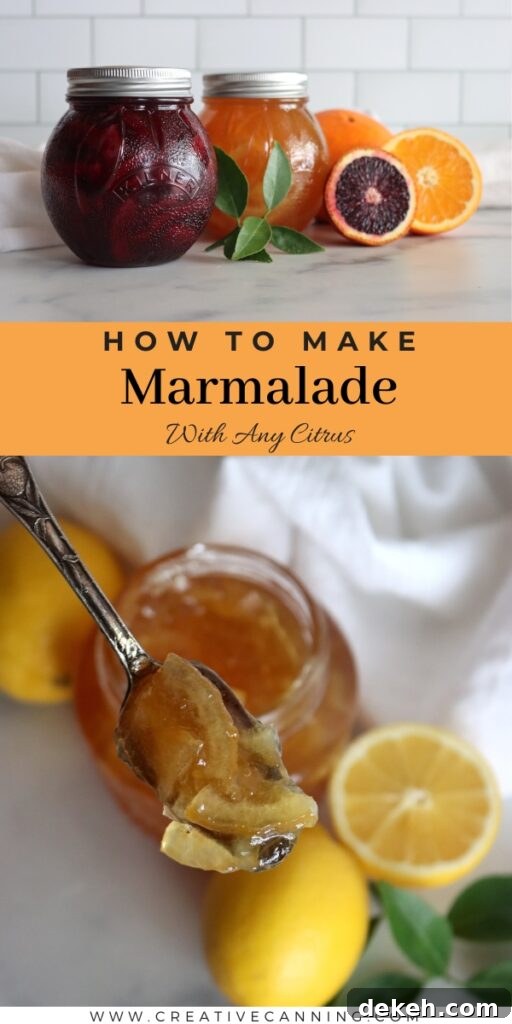
Making marmalade from scratch is an excellent way to preserve a bumper crop of citrus and enjoy a bright, homemade spread all year. With patience and the right technique, you can produce marmalade that is delicious on toast, scones, yogurt, or used as a finishing sauce for desserts.
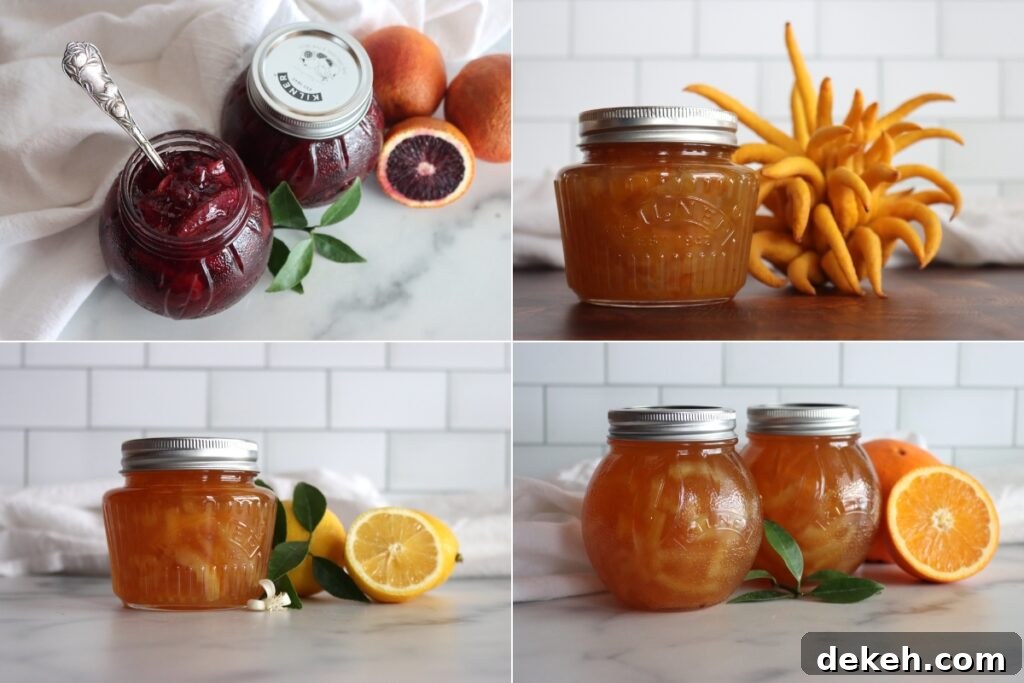
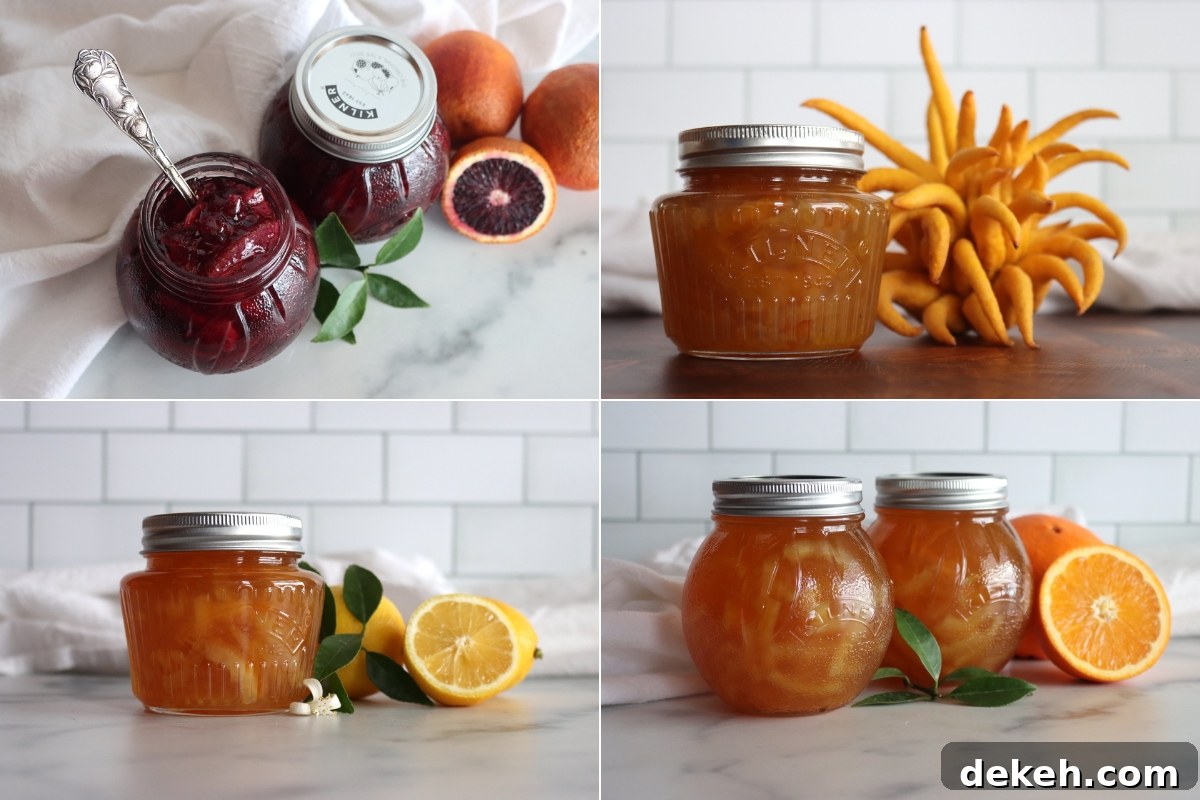
Traditional marmalade turns whole citrus into a sweet-tart preserve that includes shreds of peel suspended in jelly. The combination of jelly and rind gives marmalade its signature texture and complexity, offering both sweetness and a pleasant bitterness from the peel. Although Seville oranges are the classic choice, many citrus varieties work well, and you can tailor flavor and sweetness by mixing fruits.
What is Marmalade?
Marmalade is a citrus preserve distinguished by the inclusion of peel in a clear or slightly chunky jelly. Unlike jam or jelly that use primarily fruit flesh, marmalade showcases the peel’s texture and bitter notes, balanced by sugar. Classic British marmalades can be quite chunky and bitter, while contemporary versions tend to be brighter and smoother. Historically the word “marmalade” applied to preserves made from quince or other fruits, but today it usually refers to citrus preserves with visible rind.
The Best Citrus for Marmalade
You can make marmalade with many different citrus fruits. Here’s a simple guide to popular options and how they influence flavor:
- Seville Oranges: The traditional choice, prized for their tartness and bitterness that yield classic marmalade flavor. In season in winter.
- Navel Oranges: Sweeter and milder; use with a portion of lemon to add acidity and balance.
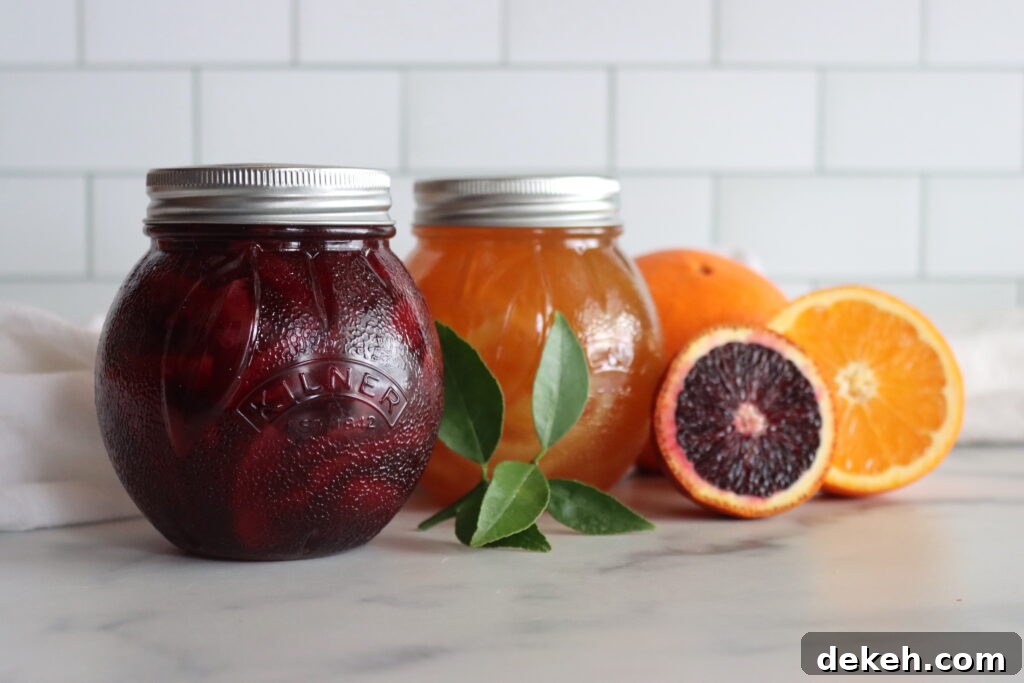
- Blood Oranges: Offer a berry-like flavor and striking color—lovely in marmalade.
- Grapefruit, Lemons, Limes: Each adds its own twist: grapefruit gives bittersweet depth; lemons and limes add bright acidity.
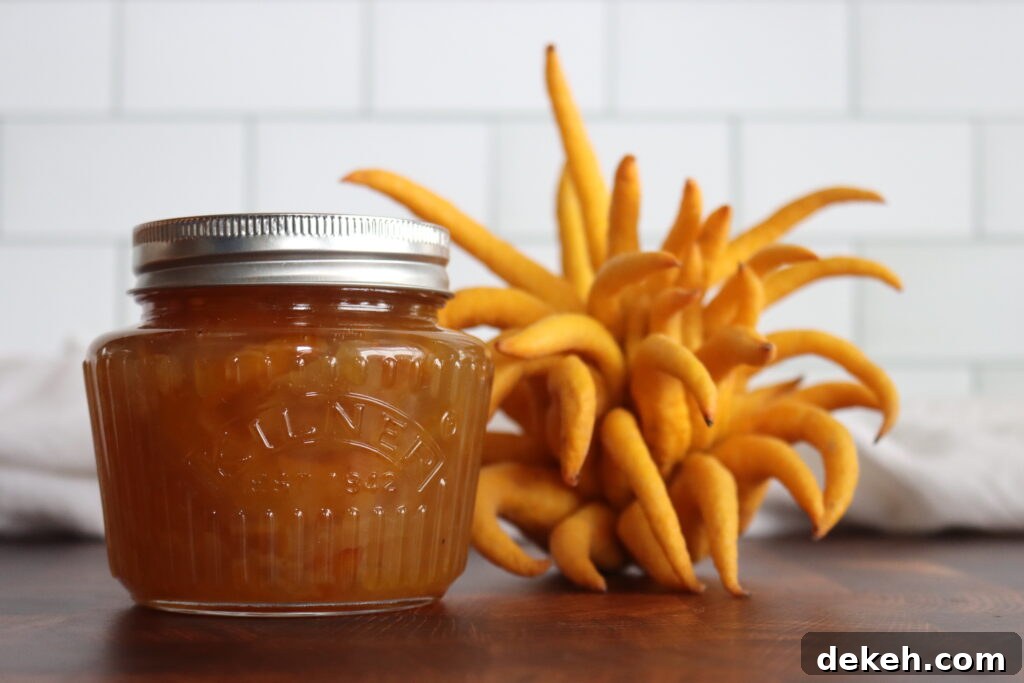
- Specialty Citrons: Varieties like bergamot or Buddha’s Hand provide unique aromatics but often little juice; combine them with juicier citrus to reach the right balance.
Ways to Make Marmalade
Marmalade can be made quickly in one day or more traditionally over three days. The one-day method is suited to thin-skinned, sweet citrus and yields a faster product. The three-day method takes longer but develops a deeper, more balanced flavor and a finer texture.
One-Day Method
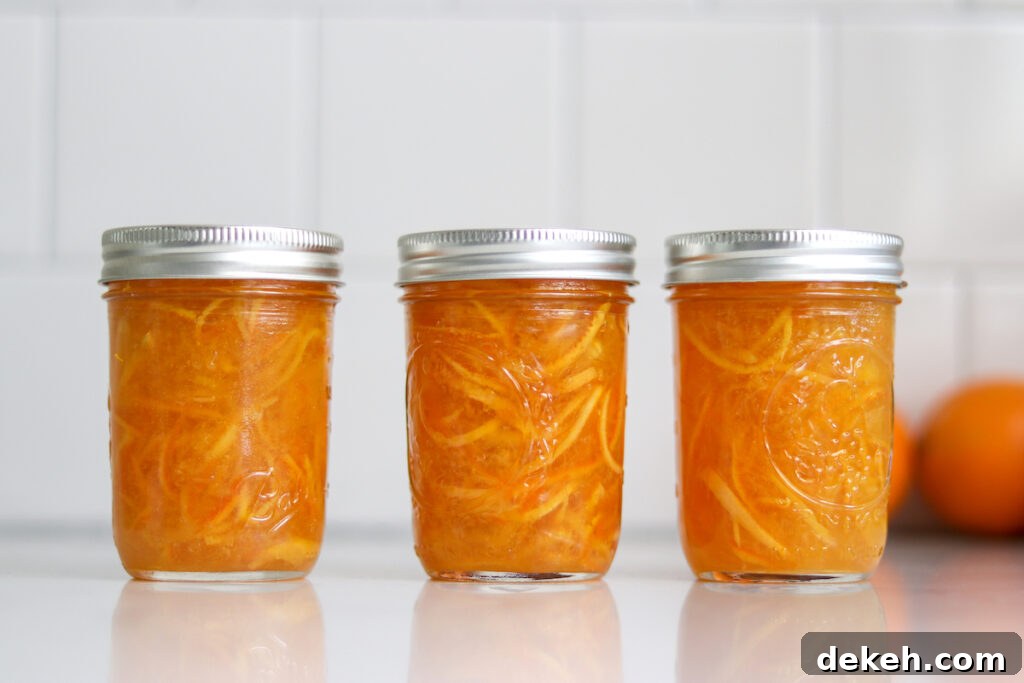
The one-day method is fast: fruit is simmered, sliced, and combined with sugar. It works best with mild, thin-skinned citrus like Meyer lemons or sweet clementines. While convenient, this method often produces a marmalade with a more pronounced bitterness and less refined texture compared with the longer process.
Three-Day Method (Traditional)
The three-day method produces a smoother, more concentrated marmalade. Day one softens the peel through an overnight soak. Day two gently cooks the fruit, then allows it to rest overnight to extract pectin and flavor. On day three you add sugar and perform the final boil to achieve the correct set. This slow approach deepens flavor and improves the preserve’s texture.
Ingredients You’ll Need
For a small batch of about 4–6 jars using the three-day method, gather:
- Citrus: Approximately 2 lbs total of mixed citrus (oranges, lemons, grapefruit, etc.). If using very sweet fruit such as navels, substitute 1/4–1/2 of the fruit with lemon to balance sweetness.
- Sugar: About 2 lbs white granulated sugar (equal weight to fruit).
- Water: For soaking and cooking the fruit.
- Fresh lemon juice: About 2–6 ounces (¼–¾ cup) to help the set and brighten flavor.
Day 1
Day one prepares and soaks the fruit to soften the peel and begin pectin extraction.
Prep the Fruit
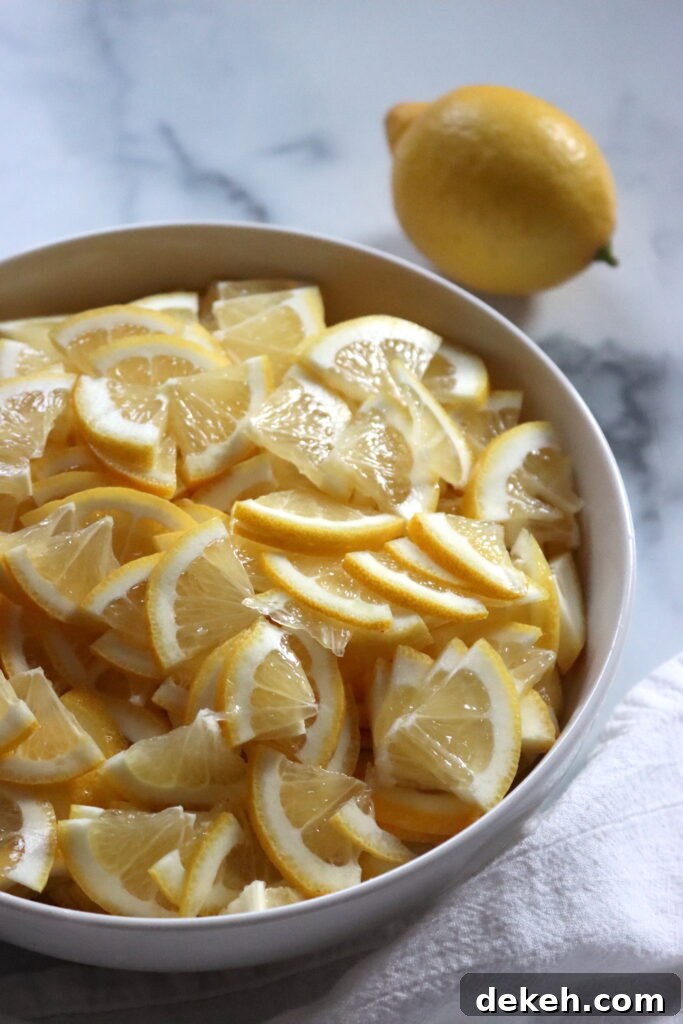
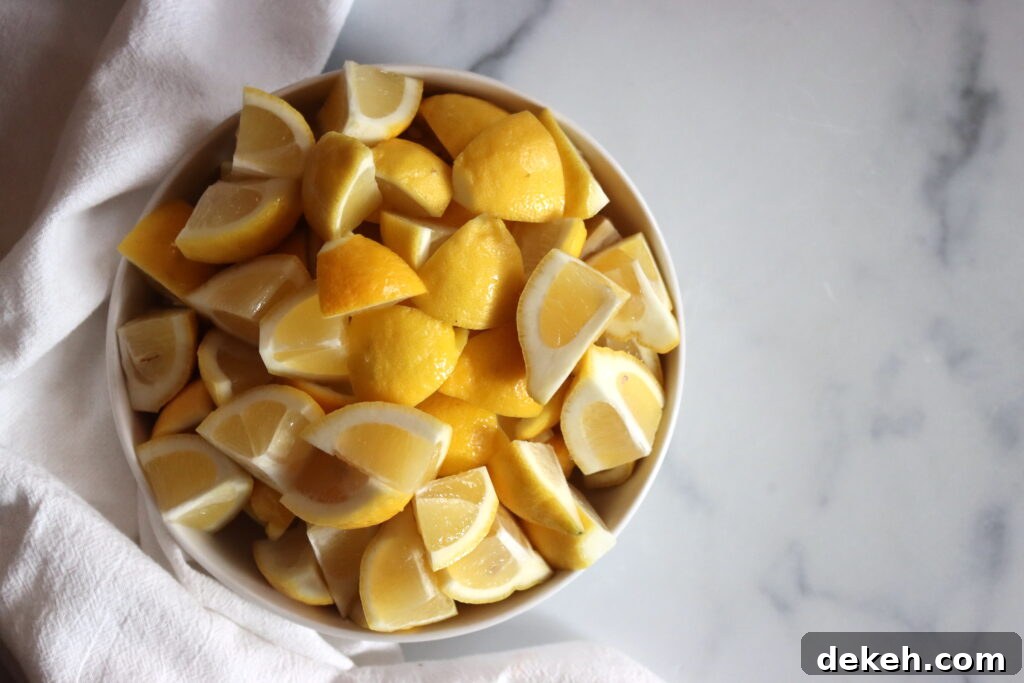
Work with half the citrus (about 1 lb). If your recipe includes lemons to balance sweeter fruit, process the lemons now and reserve the sweet citrus for the next step. Slice the selected citrus into eighths and leave the seeds in place for now.
Soak the Fruit
Place the sliced citrus in a non-reactive saucepan and add cold water to cover by about an inch. Cover the pot and leave it at room temperature overnight. This softens the peel and begins releasing pectin into the water.
Day 2
Day two gently cooks the soaked fruit to further soften peels and draw out flavor and pectin. The slow process helps the preserve set properly later.
Cook the Fruit
Bring the pan to a boil, then reduce to a simmer and cook, covered, for 30–40 minutes until the fruit is very tender. Top up with water if necessary to keep the fruit submerged.
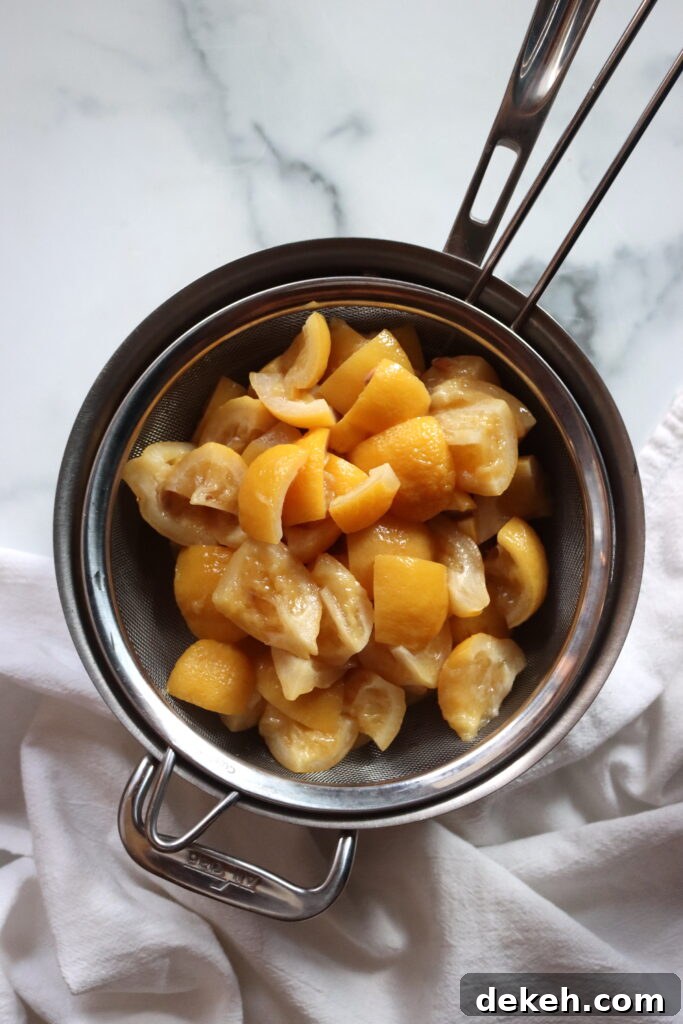
Draining Citrus
When the fruit is soft and the cooking liquid looks syrupy, remove from heat and strain, reserving the liquid. Allow the fruit pieces to drain overnight while you prepare the remaining citrus that will be sliced into the finished marmalade.
Prepare the Sliced Fruit
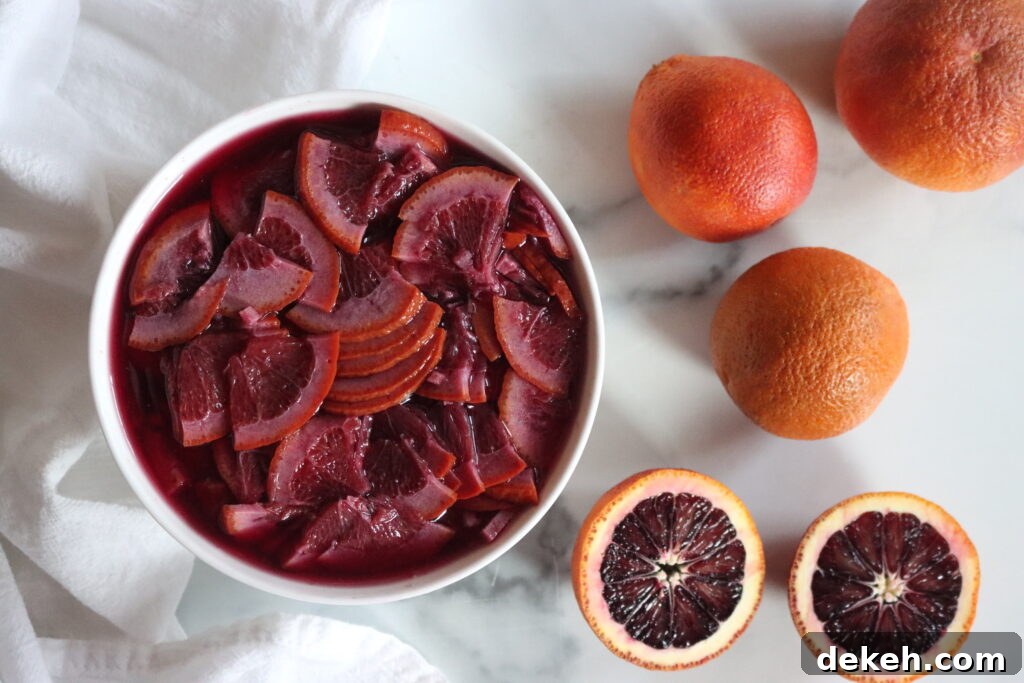
Slice the remaining citrus thinly, removing seeds as you go but keeping the peel attached. Halve each fruit, quarter each half to make eight pieces, then cut very thin slices. Cover the slices with water and bring to a boil for 5 minutes. For bitter citrus discard that first cooking water and repeat; for sweet citrus a single boil is usually sufficient. Let the slices cool in the cooking liquid and soak overnight to soften and release pectin.
Day 3
On the final day you add sugar, finish the cooking, and jar the marmalade.
Prepare to Finish and Jar the Preserve
Place a few metal teaspoons or small saucers in the freezer to use for testing the set. If you plan to can, prepare your water-bath canner and sterilized jars.
Add Sugar
Combine the soaked citrus, reserved cooking liquid, and sugar in a large pan with ample headspace — the mixture will foam as it boils. Gently stir to dissolve the sugar without breaking up the fruit pieces. Bring to a rolling boil.
Cook the Marmalade
Boil rapidly until the marmalade reaches the setting point. This can take 30–45 minutes or longer depending on your equipment. The mixture will foam; stir gently during foaming and more frequently as it nears the set to avoid scorching.
Test the Set
Check doneness by one of these reliable methods:
- Thermometer: Marmalade typically sets around 220°F at sea level (about 8°F above boiling). Adjust for elevation: reduce the set temperature by 1°F for every 500 feet above sea level.
- Cold Plate Test: Drop a spoonful onto a chilled plate, let it cool for a few seconds, then run your finger through it. If it wrinkles and holds shape, it’s ready.
- Cold Spoon Test: Place a spoonful on a frozen teaspoon and wait 1–2 minutes. If it thickens and doesn’t run, the marmalade has set.
Jar the Marmalade
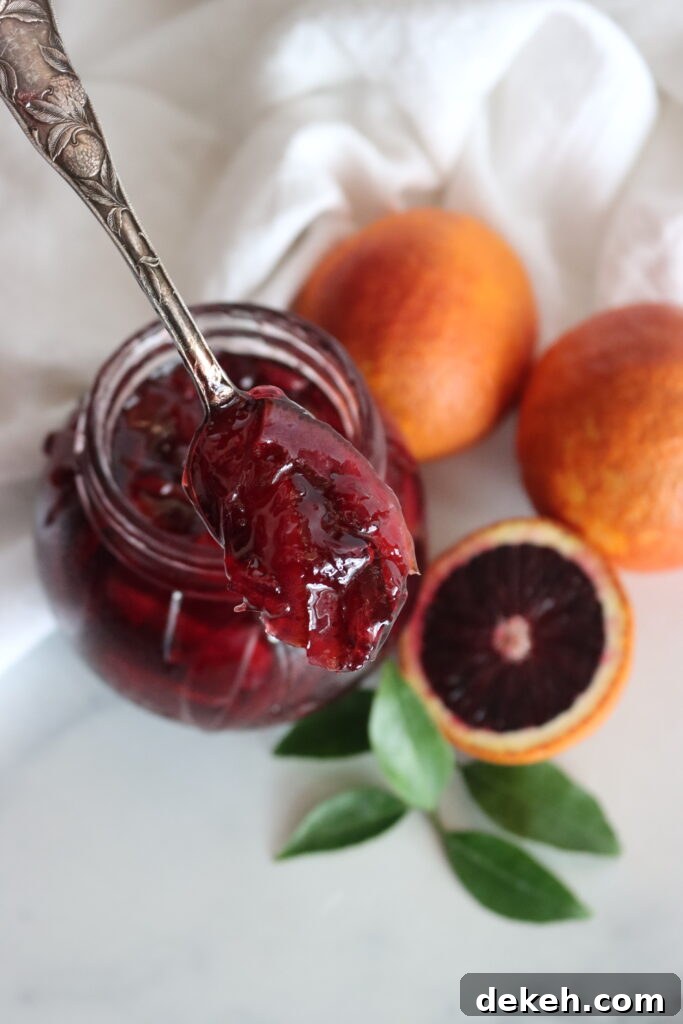
When the marmalade reaches the right consistency, remove from heat and ladle into prepared jars, leaving about 1/4 inch headspace. Cap the jars and either cool for refrigerator use or process in a water-bath canner.
Canning Marmalade
If water-bath canning, process jars for 10 minutes (increase to 15 minutes if you are above 6,000 feet). Remove jars and cool on a towel until room temperature.
Storing Marmalade
Check seals and store sealed jars in a cool, dark pantry for best quality up to 12–18 months. Refrigerate any unsealed jars and always refrigerate after opening.
Tips for Perfect Marmalade
- Test for set: Use a thermometer or cold-plate/spoon tests to avoid under- or over-cooking.
- Don’t stir too early: Let the marmalade bubble for a while before stirring to prevent breaking the peel into mush.
- Blend citrus: Mix sweet and tart varieties to balance flavor—add lemon to sweet navels.
- Flavor variations: Add vanilla, ginger, or a splash of rum to customize your marmalade. A touch of vanilla can give an orange creamsicle character.
Troubleshooting Homemade Marmalade
Common issues relate to texture—marmalade can end up too runny or too firm. If runny, wait a week for pectin to finish setting; if still loose, reboil to the setting point and re-can. Liquid pectin can be helpful for reworking runny batches. If overcooked and too firm, gently reheat with small amounts of water to loosen it and re-can, or thin jars gradually as you use them.
Marmalade Recipes
Once you master this method, experiment with specific citrus like lemon, Meyer lemon, lime, grapefruit, classic orange, blood orange, kumquat, or Buddha’s Hand to create a range of marmalades. You can also adapt sugar levels by using low-sugar pectin when you need a reduced-sugar option. Mixing and matching citrus opens up many delicious possibilities.
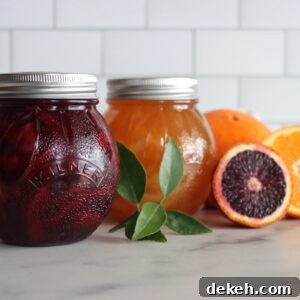
Marmalade (with any Citrus)
Rate
Equipment
-
Water Bath Canner
-
Half Pint Jars
-
Regular Mouth Canning Lids
-
Canning Funnel
-
Jar Lifter
Ingredients
- 2 lbs Citrus, Around 2 pounds total of mixed citrus. If using very sweet fruit, replace 1/4–1/2 with lemon.
- 2 lbs Sugar, Or equal to the weight of fruit.
- Water, For soaking and boiling.
- 1/4 cup Fresh lemon juice, 2–6 ounces to help set the marmalade.
Instructions
Day 1
-
Prep the fruit: Use half the citrus (1 lb). Slice into eighths, leaving seeds in place.
-
Soak: Place fruit in a non-reactive pan with cold water to cover by 1 inch. Cover and let sit overnight.
Day 2
-
Cook: Bring to a boil, reduce to simmer, and cook 30–40 minutes until tender. Reserve the cooking liquid.
-
Drain: Strain fruit and let drain overnight. Slice the remaining citrus thinly, remove seeds, and boil slices 5 minutes. For bitter citrus discard and repeat; for sweet citrus, one boil is enough. Let slices soak overnight.
Day 3: Finishing the Marmalade
-
Prep for jarring: Chill spoons or plates for testing and prepare canner and jars if canning.
-
Add sugar: Combine citrus, reserved liquid, and sugar in a large pan. Stir gently to dissolve and bring to a rapid boil.
-
Cook to set: Boil until setting point is reached, stirring to prevent burning. Test with a thermometer or cold-plate/spoon tests.
-
Turn off heat and ladle into jars, leaving 1/4 inch headspace. Cap and cool for refrigeration or process in a water-bath canner for 10 minutes (15 minutes above 6,000 ft).
-
Let jars cool, check seals, and store sealed jars in the pantry for 12–18 months. Refrigerate after opening.
Notes
Nutrition
Nutrition information is an approximation.
Like this? Leave a comment below!