Table of Contents
- What Are Truffles?
- How They Are Harvested
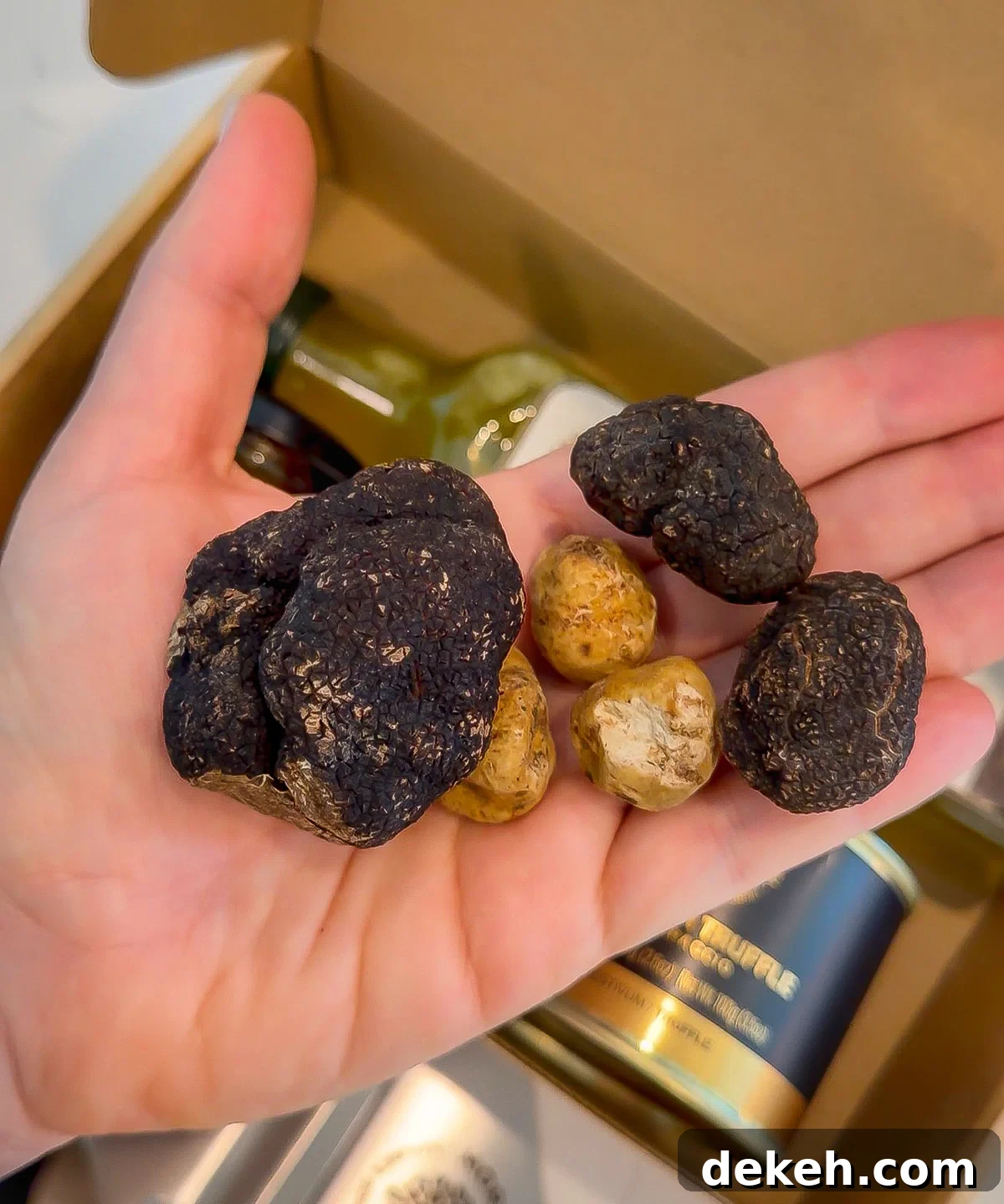
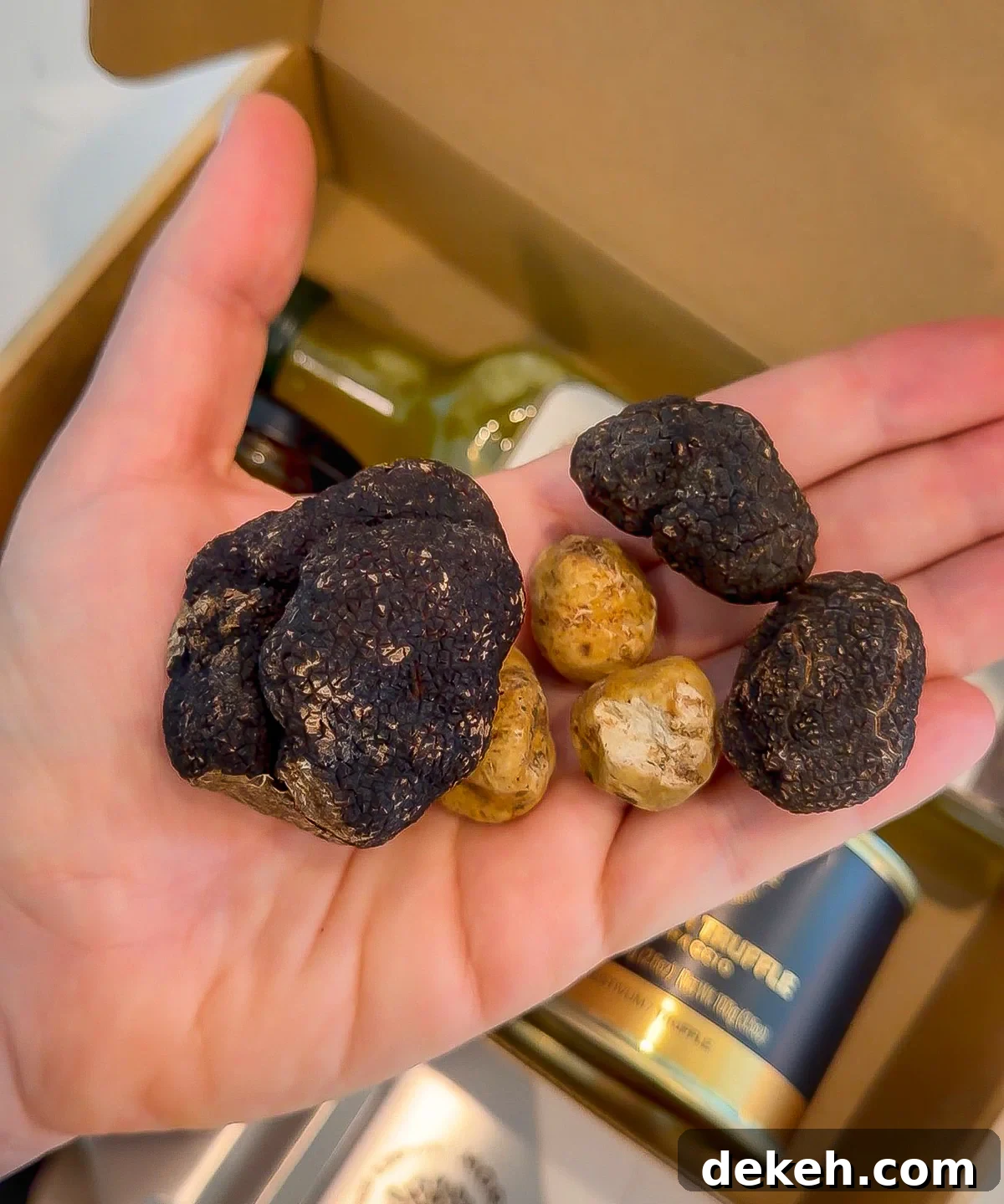
- Different Truffle Types
- The Guide For Buying Them Fresh
- The Best Budget-Friendly Alternatives
- Shelf Life And How to Store Them
- How to Properly Shave Truffles
- Great Recipe Ideas
What Are Truffles?
People often ask whether truffles are simply fancy mushrooms. While related to mushrooms, truffles are quite different: they grow underground and form a close symbiotic relationship with tree roots, especially oaks and hazelnuts. Unlike aboveground mushrooms with visible caps and stems, truffles stay hidden beneath the soil and develop their unique aroma and flavor in this protected environment.
Fun Fact: Ancient Greek and Roman thinkers believed truffles were created when lightning struck near sacred trees.
Truffles extend a tree’s root system, helping absorb water and minerals, while the tree supplies the fungus with sugars. This exchange concentrates nutrients in the truffle, which contains antioxidants, potassium, and iron. Their rarity and distinctive aroma earn them the nickname “diamonds of the kitchen.” Growing truffles requires specific alkaline soil and the right climate. Cultivation is possible but slow and unreliable: it can take up to a decade to see a crop, and many attempts fail, which explains their high price.
How They Are Harvested
Finding truffles depends on smell and timing, since they grow beneath the surface. Historically pigs were used because they are naturally attracted to truffle aromas, but pigs often eat the truffles and damage tree roots. For environmental and practical reasons, many regions discourage or ban pig hunting.
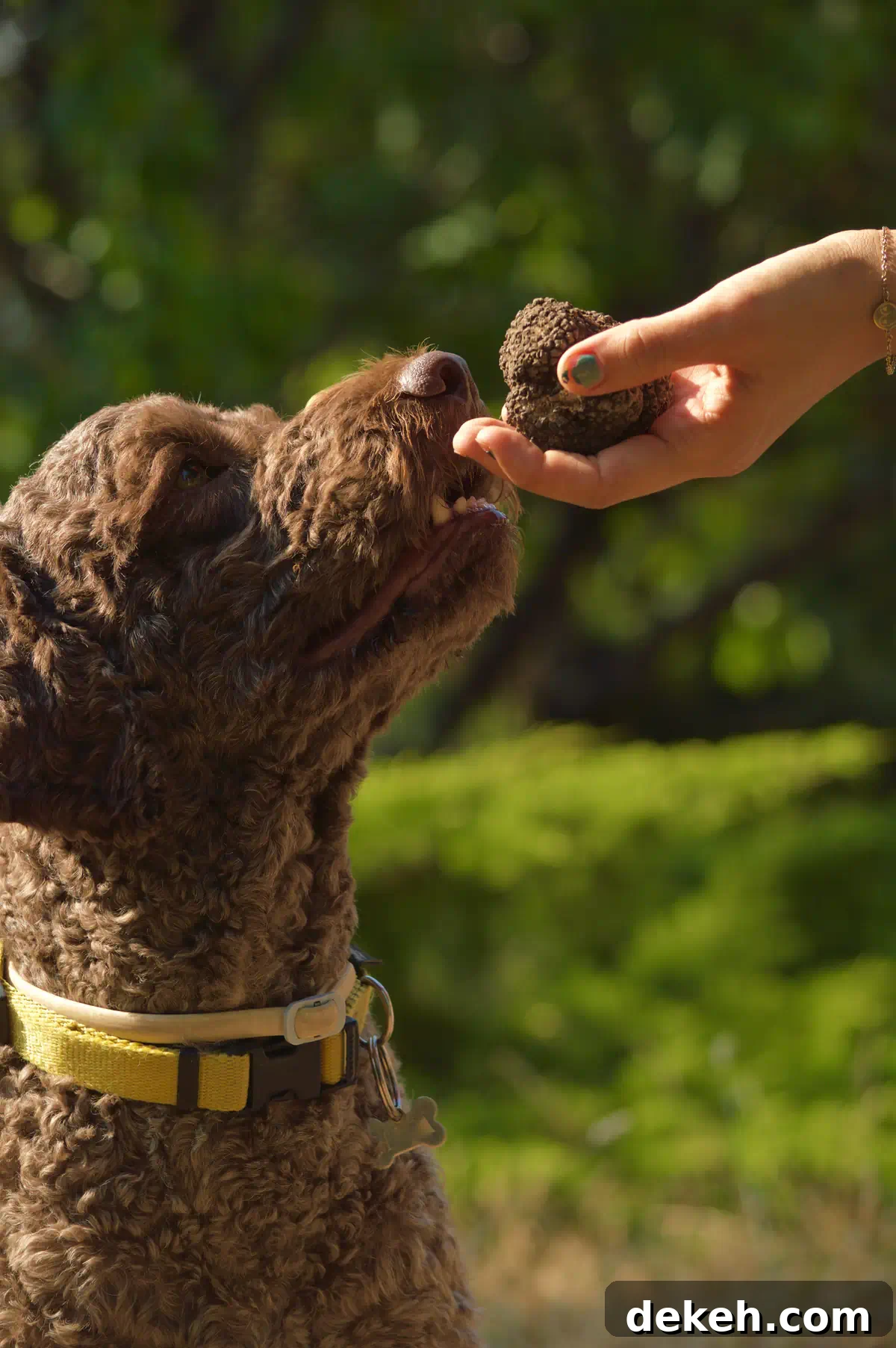
Dogs are now the preferred truffle hunters. The Lagotto Romagnolo, an Italian breed, is especially valued for its keen nose and gentle digging. These dogs can detect truffles buried deeply and indicate the spot without destroying the soil. Hand tools are used to extract the truffle carefully after the dog marks the location, preserving both the truffle and the habitat.
Different Truffle Types
When buying truffles, it’s important to know the species because each responds differently to heat and pairing. Using the wrong technique can diminish or ruin the flavor. A common misconception is mistaking naturally mild varieties for poor-quality truffles. Below are three major types and how to use them.
| White Truffles | Black Winter Truffles | Black Summer Truffles |
| Very aromatic with notes of garlic, wild honey, and aged cheese | Rich and savory, earthy with musky umami | Milder and nuttier, similar to a subtle cheese |
| Do not cook. Best shaved raw over finished warm dishes. | Holds up to heat; works well in simple, creamy, or hearty dishes. | Delicate and best used raw or lightly warmed; won’t overpower a dish. |
| September – December | November – March | May – September |
The Guide For Buying Them Fresh
The Truffle Sourcing Guide
Buying Local: If you find truffles at a specialty market, trust your nose and touch. Fresh truffles should feel firm; spongy or squishy truffles are past their peak. They should have a pronounced aroma—if you can’t smell them, don’t buy them.
Buying Online: Always choose sellers who guarantee overnight priority shipping and cold-chain packaging. Reputable vendors ship truffles in insulated containers with ice packs to preserve aroma and texture. Without proper cold shipping, truffles can arrive stale and tasteless.
- Marina Tartufi: A brand used by many home cooks and professionals for consistent quality.
- Urbani: A widely known truffle brand appreciated by many consumers.
- Regalis Foods: A trusted supplier for top restaurants, known for strict overnight shipping and high-quality black winter and white truffles.
- Costco: A high-volume retailer where selections vary; you may find exceptional value or less aromatic specimens depending on stock and turnover.
How Much Do They Cost?
Truffles command high prices because of long growth cycles, specific environmental requirements, and labor-intensive harvesting. Current price ranges vary by species and season:
| White Truffles | Black Winter Truffles | Black Summer Truffles | |
| Price per ounce | $159 – $503+ | $52 – $130 | $40 – $68 |
| Price per lb | $2,500 – $8,379+ | $800 – $1,500 | $300 – $766 |
*Market prices fluctuate weekly based on auctions, weather, and harvest yields. These figures are representative but can change.
The Best Budget-Friendly Alternatives
If you want truffle flavor without the expense, consider these more affordable options that still deliver an earthy, savory profile.
- Truffle peelings (“Carpaccio”): Scraps and thin slices preserved in their juices and salt. They’re less expensive and work well in compound butter, sauces, or pasta.
- Frozen truffles: Often frozen at peak ripeness to lock in aroma. Grate them straight from the freezer onto hot food; do not fully thaw before using to avoid mushy texture and lost scent.
- Black truffle purée or pâté: A concentrated paste blended from mushrooms, oil, and truffle that flavors sauces and spreads in small amounts.
- Truffle salt: A finishing salt blended with dried truffle flakes and aroma—use sparingly over hot dishes so the heat releases the scent.
- Truffle oil (synthetic most commonly): Many commercial truffle oils use synthetic aroma compounds rather than real truffles. If buying oil, check ingredients for true truffle content; otherwise use just a few drops to avoid overpowering a dish.
Shelf Life And How to Store Them
Fresh truffles contain a lot of water and release gases as they age. Storing them improperly—sealed in plastic or left in excess moisture—accelerates spoilage. The goal is to control humidity and allow some air exchange.
The Storage Method
- The Container: Use a glass or rigid plastic container with enough empty space so truffles are not crowded.
- Do Not Wash: Keep natural soil on the truffle until just before slicing; it helps protect the specimen.
- Setup: Place a dry paper towel in the container, arrange truffles in a single layer without touching, and close the lid loosely.
- Daily Care: Each day, remove condensation, gently dry the truffles if needed, replace the paper towel, and open the container briefly to allow gas exchange.
- Fridge Placement: Store in a slightly warmer fridge area such as the crisper. Avoid freezing, since thawing ruins texture and aroma.
- Infusion Tip: Adding uncracked eggs or a stick of butter to the container lets them absorb truffle aroma for later use.
Signs of Spoilage & Quick Fixes
- Trimming small spots: For black truffles, you can cut away tiny soft or moldy patches with a paring knife and use the remainder if the aroma returns to sweet-earthy.
- Final stage: When truffles become excessively moist, soft, or squishy, they are at the end of their edible life and should be used immediately or discarded.
- Smell test: Trust your nose; a fresh truffle smells musky and earthy, while spoiled truffles smell sharp or ammonia-like.
How to Properly Shave Truffles
To achieve translucent, paper-thin slices, use a dedicated truffle slicer. These resemble small mandolines but are calibrated for delicate ingredients. Look for these features:
- Adjustable blade: Allows precision down to millimeters so you can shave almost translucent ribbons or slightly thicker slices as desired.
- Sharp stainless steel blade: A high-quality blade cuts cleanly and preserves the truffle’s texture without tearing.
- Safety: Truffle shaving brings your fingers close to the blade; consider cut-resistant gloves if you are uncomfortable handling small items near a sharp edge.
Great Recipe Ideas
Appetizers
Truffled Salmon & Hamachi Crudo
Appetizers
Truffle Brie Cake with Whipped Brie
Dips and Butters
3-Ingredient Truffle Butter Recipe
Appetizers