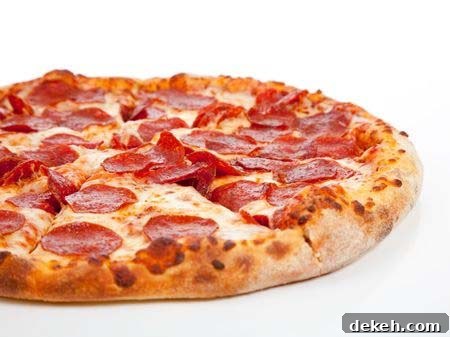
I have been quite satisfied with my gluten-free grilled pizza as a good alternative to gluten, until now. This latest version is a real breakthrough. It produces an artisan-bread texture and the characteristic cracks on the bottom of the crust, very much like New York–style pizza. Grilling or using a pizza stone (or both) helps create that gluten-like texture and flavor. I finally had the “light bulb” moment I’d been waiting for.
Some people with celiac disease cannot tolerate oats, while others, like me, can. I find oat flour yields the best results for yeast-based recipes and many others. Still, I try to be considerate of others and don’t use it excessively. Lately, many people with celiac disease also struggle with rice flour because it can be overly binding, which isn’t ideal for digestion. For my own enjoyment, I experimented with oat flour in a pizza crust and the result was excellent.
If you are oat-intolerant, substitute sorghum flour and add an extra tablespoon of fat (butter or shortening) for better texture and flavor.
If you’re not in the mood to make a pizza, try this dough as a flatbread baked on a pizza stone — the results are impressive and addictively good.
Note: This recipe appears in my upcoming cookbook, Carla’s Best 125 Gluten-Free Recipes.
UPDATE Nov. 8, 2016: After remaking this gluten-free New York–style pizza, I learned a few things. I made two 10-inch pizzas from this dough (10-inch pizzas come out thicker than two 12-inch). I basted one with egg wash while it was raw (the salami & pesto pizza) and basted the Hawaiian after it was parbaked for 5 minutes, then finished it under the broiler. The broiled crust became drier, more like French bread, and while it softened the next day when microwaved, I found that basting raw dough with egg wash produces softer, more flavorful edges. My husband — a regular gluten-eater who’s loved his Hawaiian pizza for decades — actually preferred my pesto pizza. That says a lot.
Watch the video here to see the crust’s texture.
Prep Time: 25 minutes
Cook Time: 10 minutes
Total Time: 1 hour, 26 minutes
Yield: Makes one very thick or two standard 12-inch pizzas
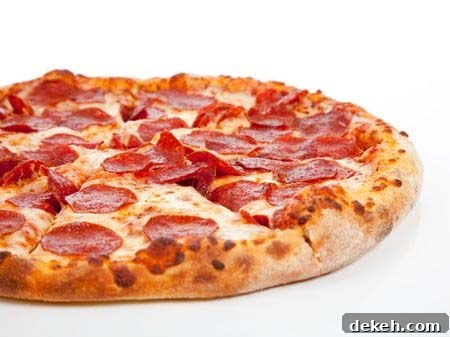
A New York–style gluten-free pizza crust with an artisan-bread texture and crisp, slightly cracked bottom.
Ingredients:
- 3/4 cup white rice flour
- 3/4 cup certified gluten-free oat flour (or sorghum flour + 1 additional Tablespoon butter)
- 3/4 cup potato starch (or more cornstarch)
- 3/4 cup cornstarch (or tapioca flour)
- 1-1/2 teaspoons xanthan gum
- 1/2 teaspoon salt
- 2 teaspoons instant dry yeast
- 2 Tablespoons agave syrup (or honey)
- 1 cup warmed milk of choice, heated to 110–115°F, or as needed
- 1/4 cup melted and cooled unsalted butter*
- 2 large eggs**, at room temperature
- 1/2 teaspoon apple cider vinegar
- 1 large egg yolk, at room temperature
- 1 Tablespoon melted butter, cooled
- 1/2 teaspoon water
- Gluten-free cornmeal, for dusting
- Oil, for basting
Instructions:
- In a large bowl, whisk together rice flour, oat flour, potato starch, cornstarch, xanthan gum, and salt; set aside.
- Add yeast and agave syrup to the warm milk and stir. Let sit for at least 5 minutes, until foamy.
- In the mixer bowl fitted with the whisk attachment, combine the melted butter, eggs, yeast mixture, and vinegar. Beat on medium-low until combined.
- Add the dry flour mixture and beat on medium until moistened. Increase speed to high and beat for 4 minutes to build structure.
- Transfer the dough to an oiled bowl, cover with a moist towel, and let rise in a warm (about 80°F) place for about 50 minutes, until the surface shows cracks.
- While the dough rises, whisk together the egg wash ingredients (egg yolk, melted butter, and water) in a small bowl and set aside.
- Thirty minutes into the rise, preheat the oven to 500°F with a pizza stone on the bottom shelf.
- Divide the dough in half and dust two 12 x 12-inch sheets of aluminum foil with cornmeal (parchment may be flammable at this temperature). Dust the dough with rice flour as needed and pat into 10–12 inch circles, depending on your preferred thickness.
- Brush the inside of the dough with oil and baste the edges with egg wash.
- Using a pizza peel or the back of a baking sheet, transfer the dough and foil to the preheated stone. Bake for 5 minutes on the bottom shelf.
- If using vegetables as a topping and you prefer them tender, sauté them briefly in oil and set aside.
- Remove the parbaked crust and add sauce and toppings. Place half of any cheese directly on the sauce and the rest over the toppings.
- Return the pizza to the oven directly on the stone (remove foil) and bake another 5–6 minutes, until edges are light brown and the bottom is slightly crisp, if desired.
- Assemble sauce, half the cheese, toppings, and remaining cheese, then bake immediately for at least 10 minutes or until vegetables are tender.
- Remove the pizza from the oven and let cool about 4 minutes before slicing. To freeze cooked pizza, slice and place on a parchment- or mat-lined baking sheet, freeze until solid, then transfer to resealable freezer bags. To reheat, bring to room temperature and bake at 350°F until heated through. For short-term storage up to three days, wrap in foil and refrigerate.
Tips
Add herbs or seasonings to the dry ingredients if you prefer more flavor than a plain bread taste.
*Dairy-free butter substitute: Try 25% full-fat coconut milk blended with 75% hydrogenated palm oil or coconut oil.
**Egg-free option: Replace the eggs with 1/4 cup liquid from a can of cannellini beans plus 2 tablespoons additional fat (butter or dairy-free substitute).
***If you don’t have a pizza stone, preheat an upside-down baking sheet that is rated to withstand 500°F.
****To substitute a pizza peel, use a non-rimmed baking sheet. Two spatulas can help transfer the pizza to a baking sheet after baking.
If the pizza is too hot to eat immediately, fold a slice in half to avoid burning the roof of your mouth—how New Yorkers often eat theirs.
If the dough becomes too sticky, dust lightly with potato or corn starch.
For other substitutions, refer to your collection of gluten-free ingredient swaps.
Copyrighted 2015 – 2019 Wilkins Publishers LLC and Carla Spacher. All rights reserved.