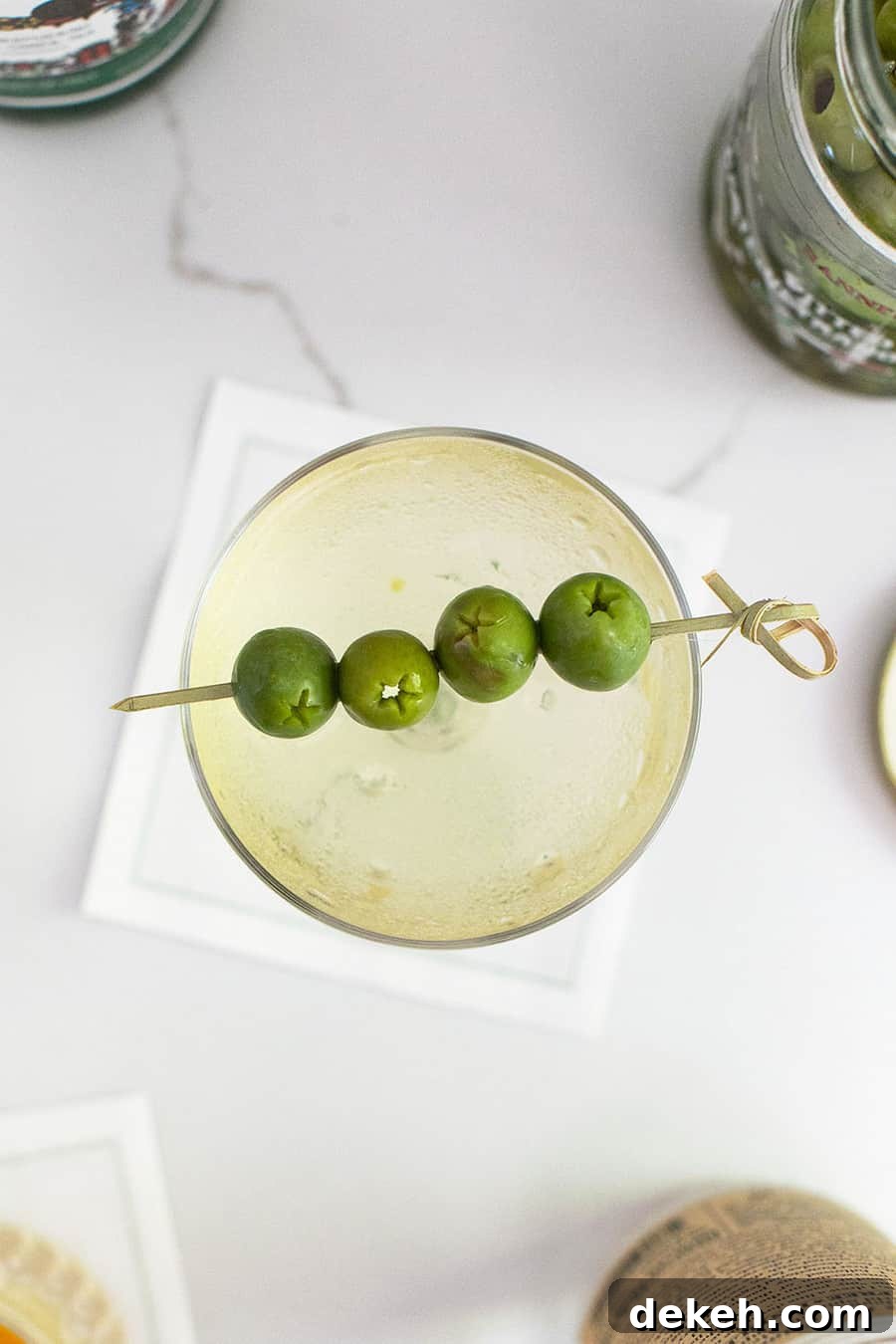
How to make a dirty martini — one of the most popular classic cocktails. It’s simple to prepare, uses a few straightforward ingredients, and is perfect to serve year-round. For a twist, try a dirty martini made with tequila.
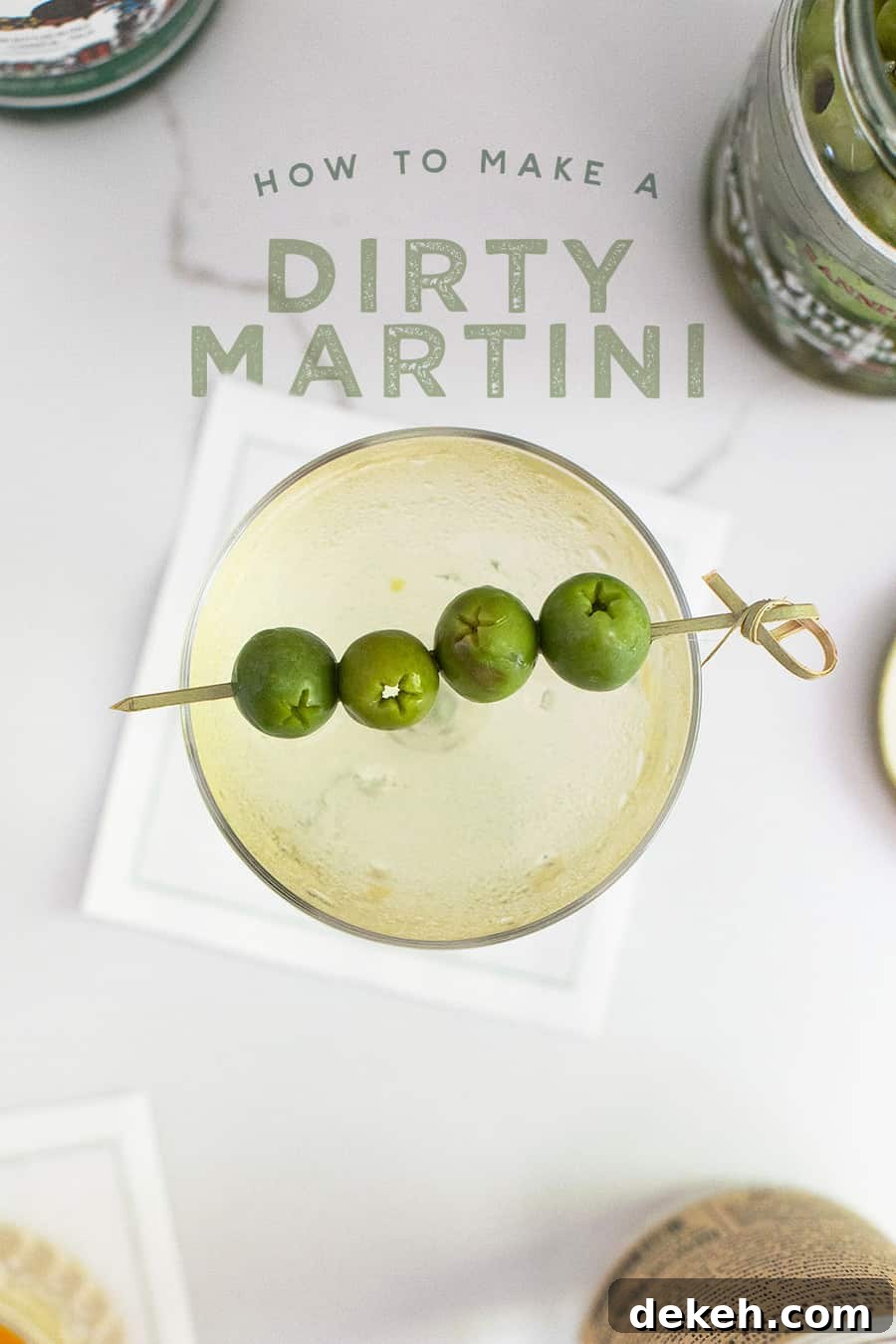
If you enjoy entertaining, a great cocktail elevates any meal or casual evening. Brighten your next gathering with a foolproof dirty martini. Below you’ll find what makes it “dirty,” the ideal ingredients, how to prepare it, and tips for serving.
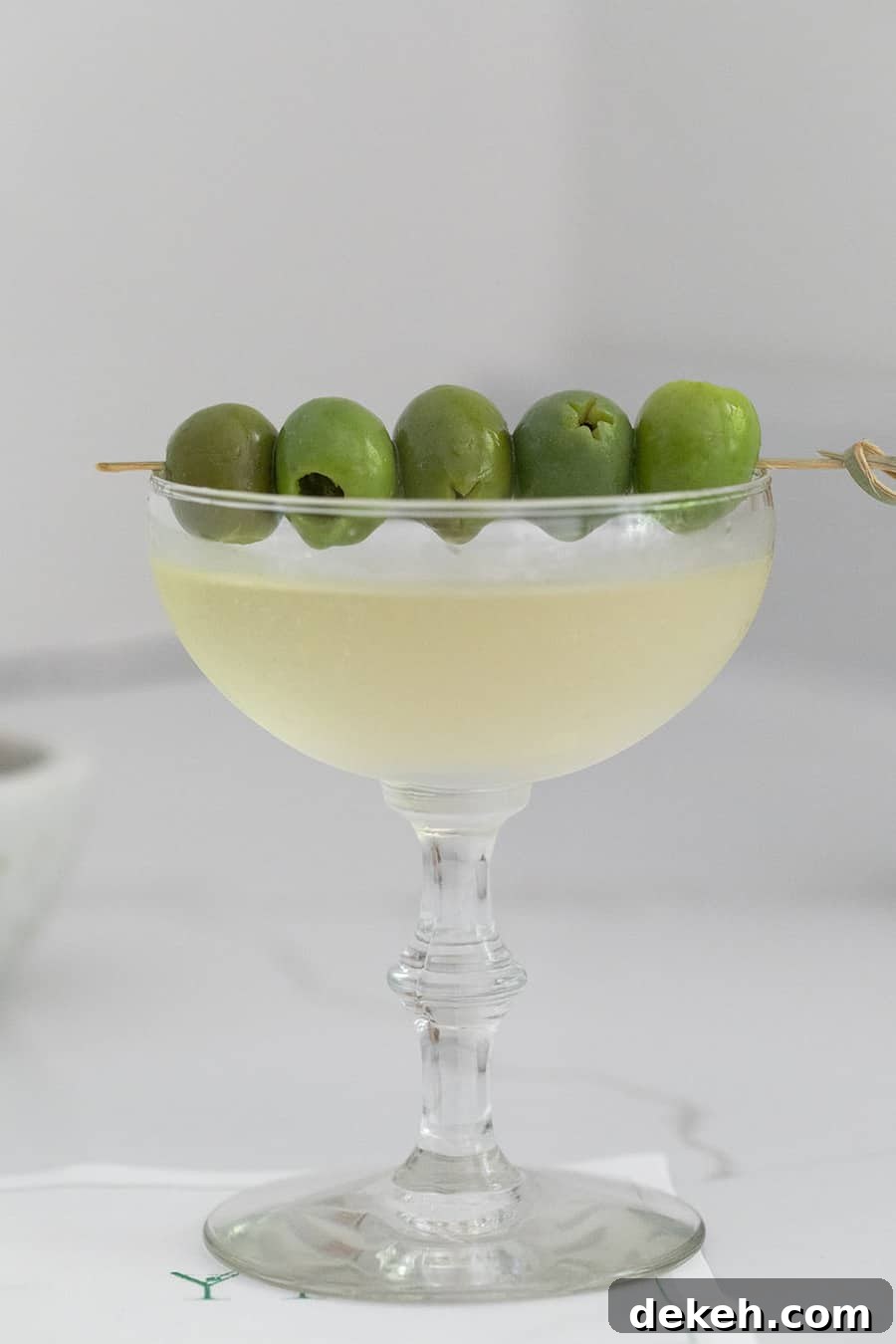
When served ice-cold in a chilled glass, a martini tastes crisp and clean, letting the base spirit shine without too many added flavors.
What Is the Dirty in a Dirty Martini?
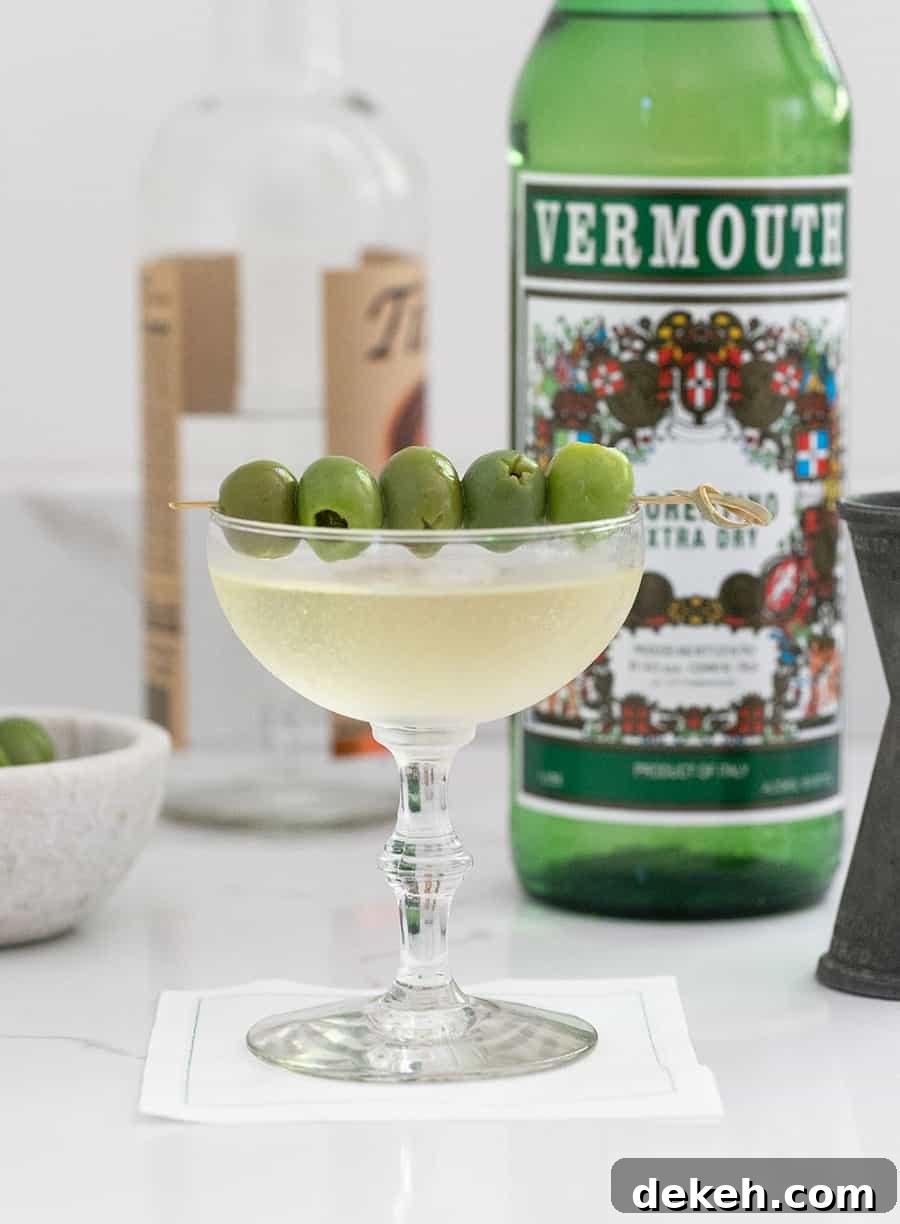
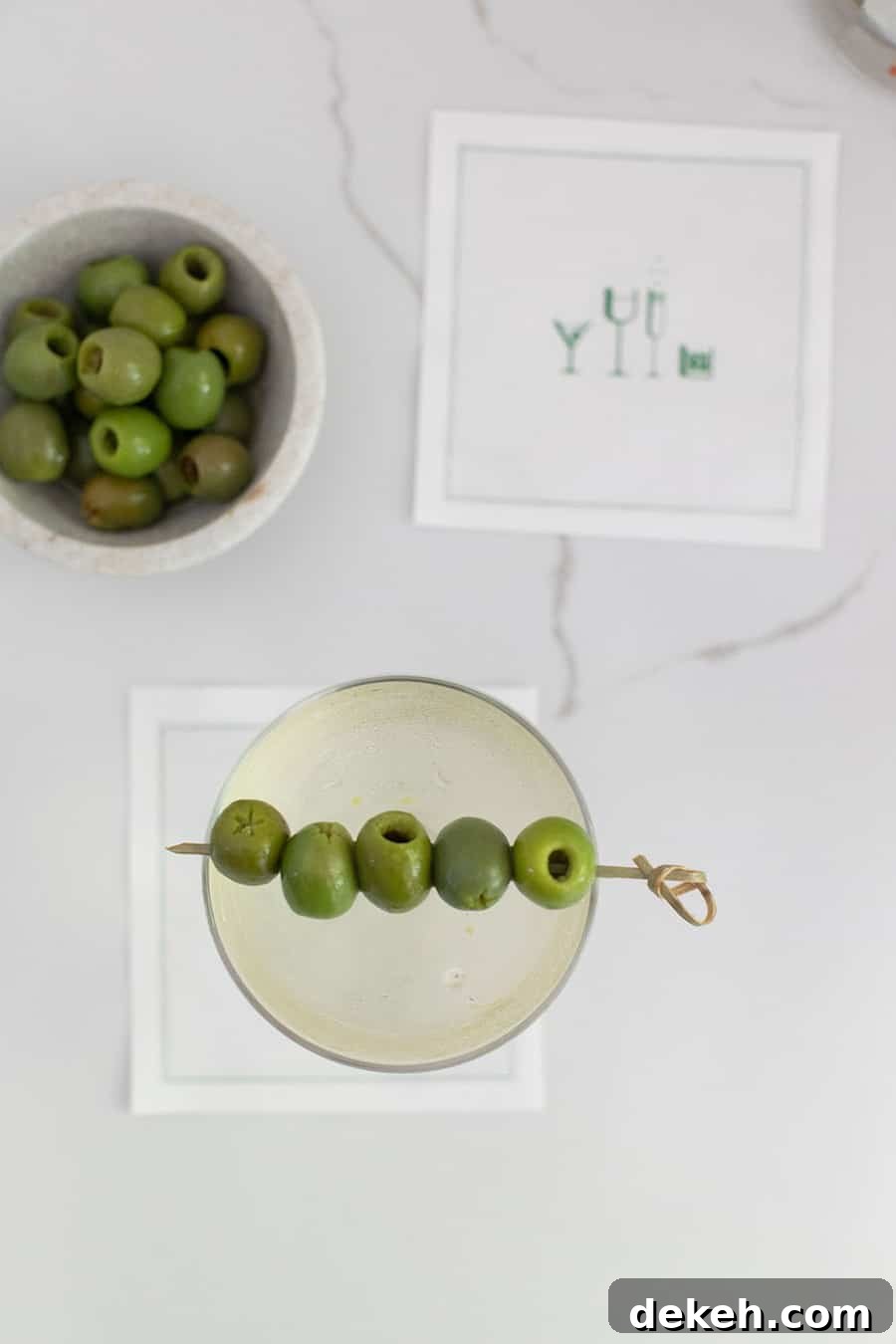
A dirty martini gets its signature flavor from olive brine. The salty, acidic olive juice adds depth and a savory edge that many cocktail lovers prefer. Olive brine also darkens the clear appearance of a classic martini—hence the name “dirty.” Dirty martinis are typically garnished with one or several green olives.
Ingredients for a Dirty Martini
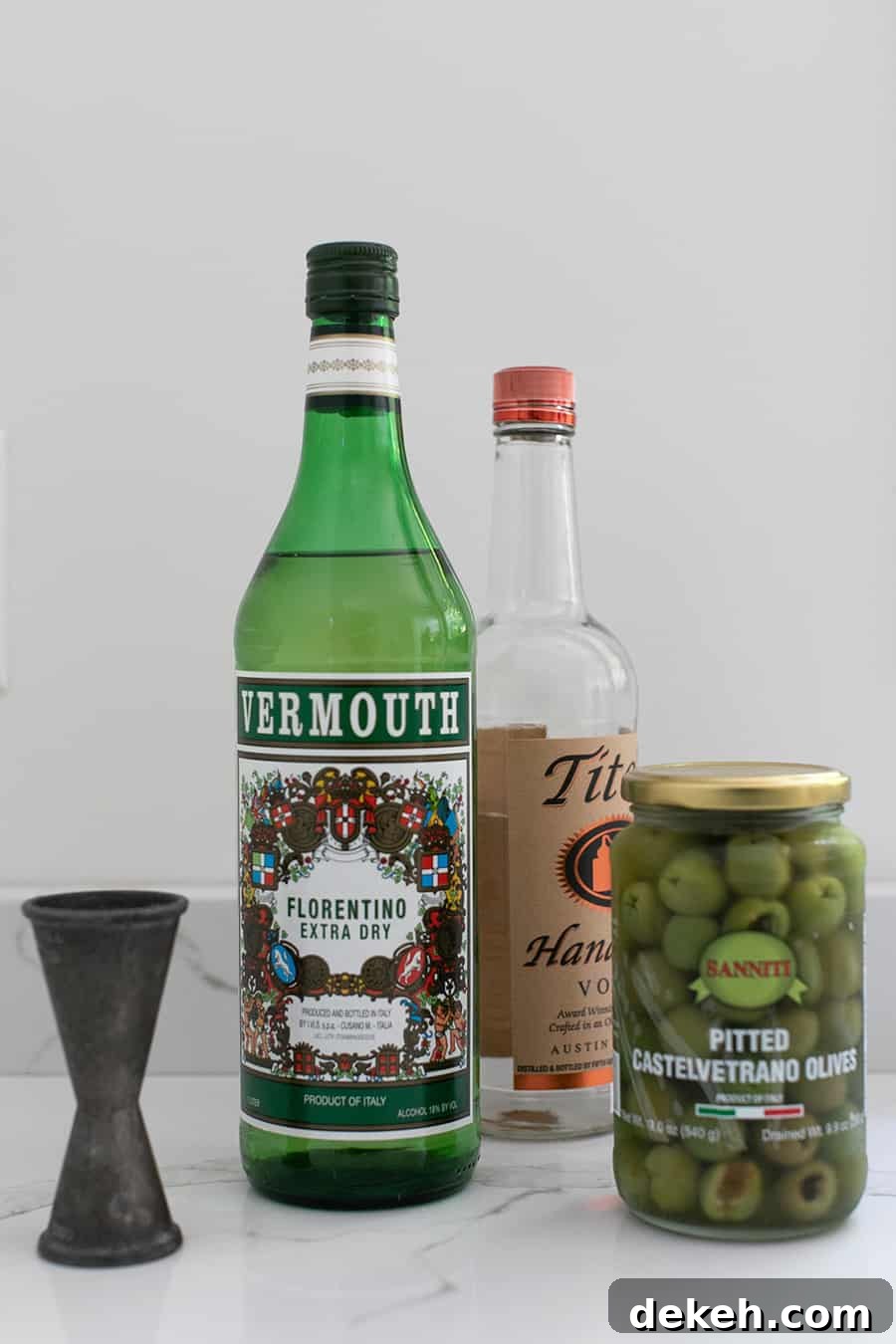
- Olive brine – Use the brine from the jar of green olives you prefer. It provides the best flavor; bottled olive brine is also convenient if you make multiple cocktails.
- Vodka or gin – Both work well. Vodka gives a cleaner, smoother base while gin adds herbal complexity.
- Vermouth – Dry vermouth is the standard choice; it’s a fortified, aromatized wine that adds a light botanical note.
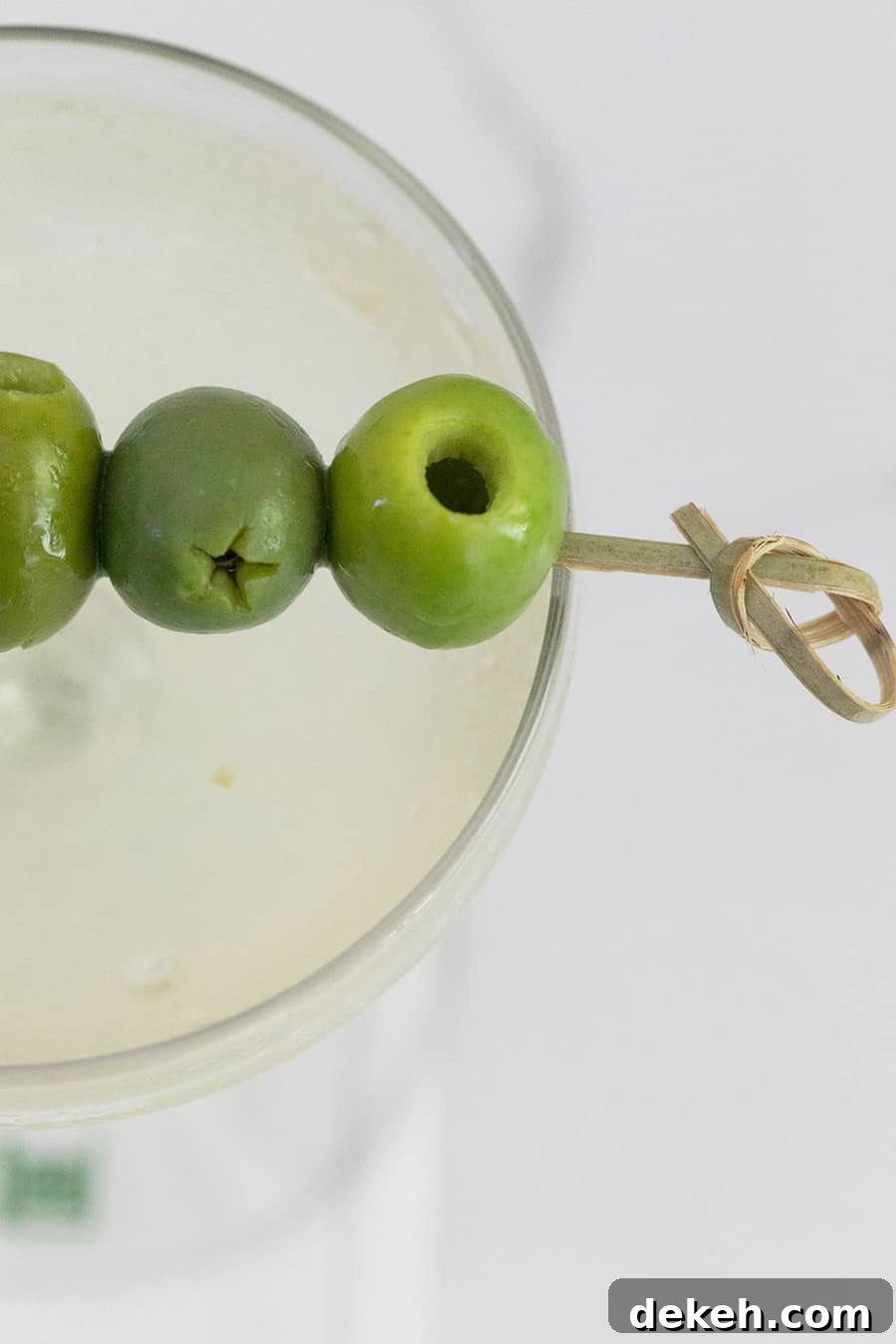
- Olives – Pitted green martini olives are traditional. Blue-cheese–stuffed olives or other flavored olives are great for added character.
Shake or Stir a Martini
Classic bartending favors stirring martinis to gently combine the ingredients and chill the drink without over-aerating it. Shaking, however, helps distribute the olive brine thoroughly and can create a slightly more textured, colder cocktail. Choose the method you prefer—either will work.
The essential point is to get the martini very cold and serve it in a chilled glass for the best sipping experience.
Vermouth in a Dirty Martini
Vermouth is commonly included in martinis, but proportions vary by taste. When ordering a martini at a bar, your preference dictates how much vermouth the bartender uses. Common variations:
- Dry: Little vermouth.
- Extra dry: The glass is rinsed with vermouth, then the excess is poured away so only a trace remains.
- Extra dirty: Significantly more olive brine—sometimes equal parts brine and spirit for a very savory drink.
- Not very dirty: Extra olives as a garnish with little or no brine added.
Frequently Asked Questions
Is a martini made with gin or vodka?
Traditionally it’s gin, but vodka is a popular alternative for a cleaner, less botanical flavor. Use whichever you prefer.
Do all dirty martinis have vermouth?
Most recipes include a splash of dry vermouth to add complexity, but you can omit it if you prefer a simpler mix of spirit and brine.
More Martini Recipes You’ll Love
If you enjoy martinis, you might also like other flavored variations such as holiday or fruit-forward martinis. Try experimenting with different garnishes and spirits to find new favorites.
If you enjoyed this recipe, leave a comment and review below.

How to Make a Dirty Martini
An easy, refreshing, classic dirty martini.
Prep: 5 mins • Cook: 0 mins • Total: 5 mins • Servings: 1 Martini
Ingredients
- 2 ounces vodka or gin
- 1/4 ounce dry vermouth
- 1 1/2 ounces olive brine (adjust to taste)
Instructions
- Add the ingredients to a cocktail shaker or mixing glass.
- Stir or shake with ice for about 20 seconds to chill and slightly dilute the drink.
- Strain into a chilled martini glass or coupe.
- Garnish with several olives.
Notes
- Use either gin or vodka depending on your flavor preference.
- Add more olive brine for an extra dirty martini.
- Muddling two olives in the glass adds extra olive flavor.
- Shake or stir—both are acceptable; the goal is a very cold cocktail.
- Serve in a chilled glass and consider a lemon twist for color and aroma.
- Choose a smooth, high-quality vodka if using vodka, since it’s the main ingredient.
Nutrition
Calories: 137 kcal • Carbohydrates: 1 g • Protein: 1 g • Sodium: 1 mg
Nutrition information is approximate.