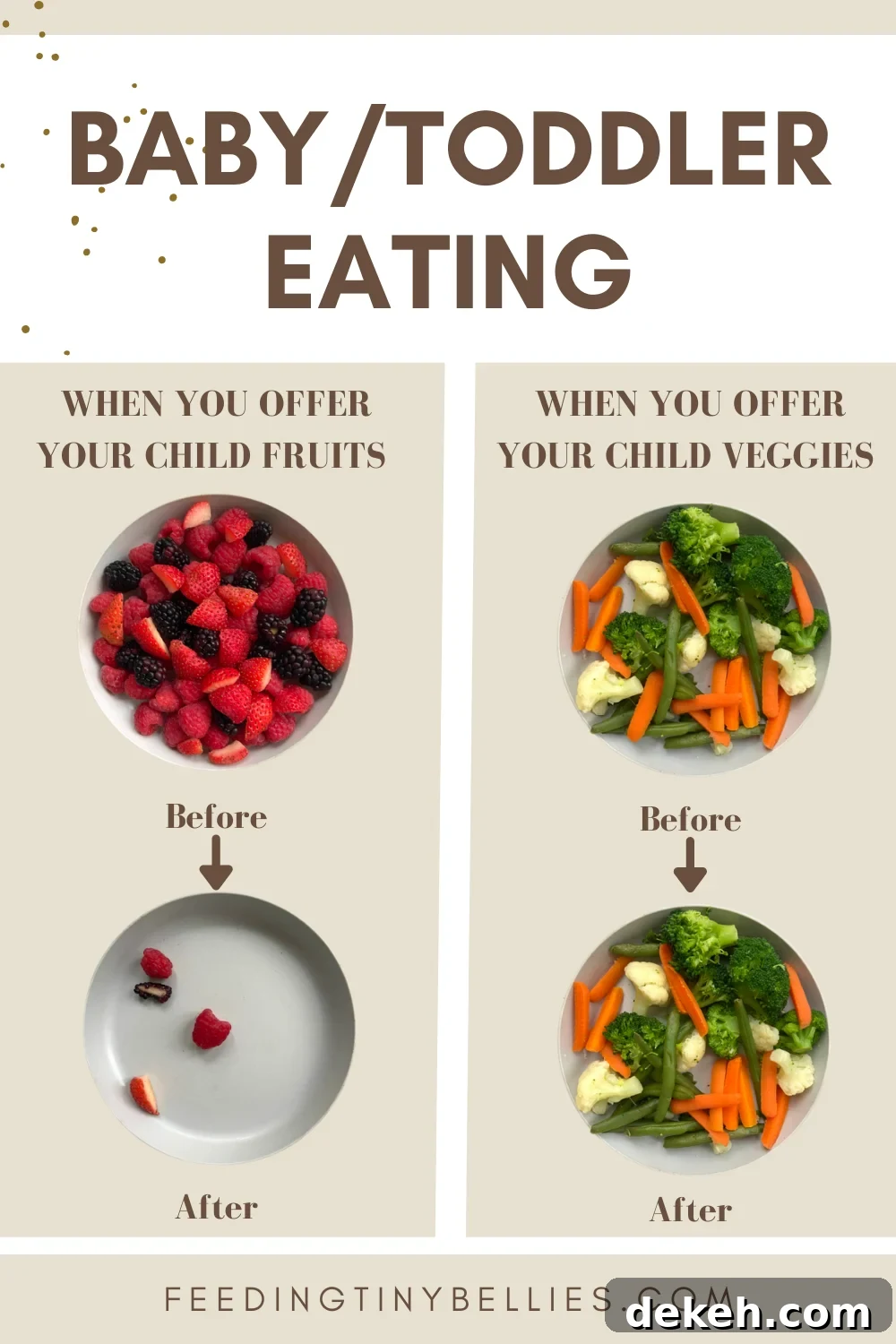
Does your child refuse vegetables while happily eating fruit and sweets? That’s very common. Picky eating around vegetables is a normal phase for many young children. Below are ten practical, low-pressure strategies to help your child become more comfortable with—and eventually enjoy—vegetables.
Children’s preferences can change day to day: one week broccoli is a favorite, the next it is ignored. Fruits are naturally sweeter and more appealing to little palates, so vegetables often require more exposure and creative handling. The good news is that with consistent, gentle strategies you can increase your child’s acceptance of vegetables over time.
Table of Contents
- Why Do Babies and Toddlers Prefer Sweet Foods?
- 1. Offer Vegetables Often (Not Just at Dinner)
- 2. Pair Veggies with Familiar Foods
- 3. Let Them Explore (Without Pressure)
- 4. To Hide or Not to Hide The Veggies?
- 5. Make Them Taste Good!
- 6. Give Choices
- 7. Don’t Force It
- 8. Don’t Over-Praise Either
- 9. Get Them Involved
- 10. Model For Them!
- How Long Does It Take for Kids to Like Vegetables?
- What If My Child Still Won’t Eat Vegetables?
- Frequently Asked Questions
- Fun Veggie Recipes To Try
Why Do Babies and Toddlers Prefer Sweet Foods?
Understanding the reason behind the preference makes it easier to respond calmly. Babies are exposed to sweet flavors from breastmilk or formula and are born with more taste buds than adults. They are also more sensitive to bitter tastes, which many vegetables have, and new textures can feel unfamiliar. So preferring fruit over vegetables is natural, not a failing.
With patience and repeated exposure, children can become more open to different flavors and textures.
1. Offer Vegetables Often (Not Just at Dinner)
Increase exposure by offering vegetables at multiple meals and snacks, not only at dinner. Frequent, low-pressure exposure—at breakfast, lunch, or as a snack—makes new foods feel familiar and increases the chance your child will try them.

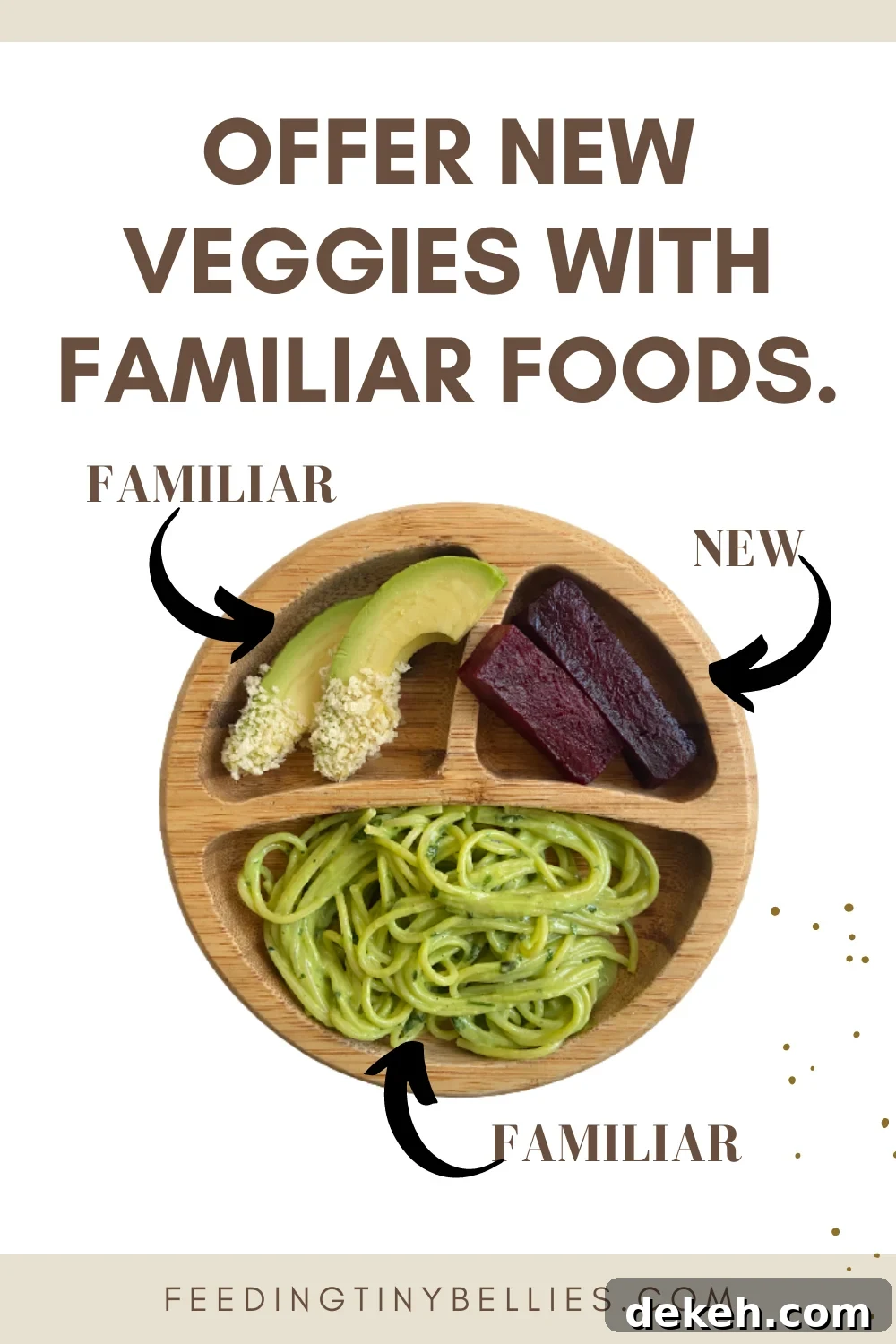
2. Pair Veggies with Familiar Foods
Serve vegetables alongside foods your child already likes. A plate with one familiar item and one new vegetable feels safer for a child than an entire plate of unfamiliar foods. This small comfort can reduce anxiety and make trying a new item more likely.
3. Let Them Explore (Without Pressure)
Allow children to touch, smell, and play with vegetables. Exploration—touching, smelling, and even licking—counts as progress. Make shapes, describe colors and textures, and stay enthusiastic. Turning discovery into play reduces fear and increases curiosity.
4. To Hide or Not to Hide The Veggies?
Some parents sneak vegetables into dishes, and that can be useful to boost nutrient intake. However, consider also being transparent about what’s in the food. Naming ingredients and involving kids in simple steps—like adding spinach to a smoothie—builds familiarity and trust. When children see how foods are made and know what’s inside, they’re often more willing to try the real thing later.
Hiding vegetables can be a short-term tactic, but naming and showing them can create long-term openness.
5. Make Them Taste Good!
Vegetables often need a little enhancement to be appealing. Small cooking changes can transform texture and flavor. Try roasting to bring out sweetness, adding herbs or spices, cooking with butter or olive oil, or serving with a favorite dip. Different preparations can make the same vegetable taste very different.
- Roast to enhance natural sweetness
- Season with herbs, spices, or a little salt
- Sauté or bake with healthy fats for richer flavor
- Offer dips like hummus, yogurt, or mild dressings
6. Give Choices
Offer simple choices so your child feels some control: “Broccoli or carrots?” “Roasted or steamed?” “With dip or plain?” Giving choices reduces resistance and encourages independence without pressure.
7. Don’t Force It
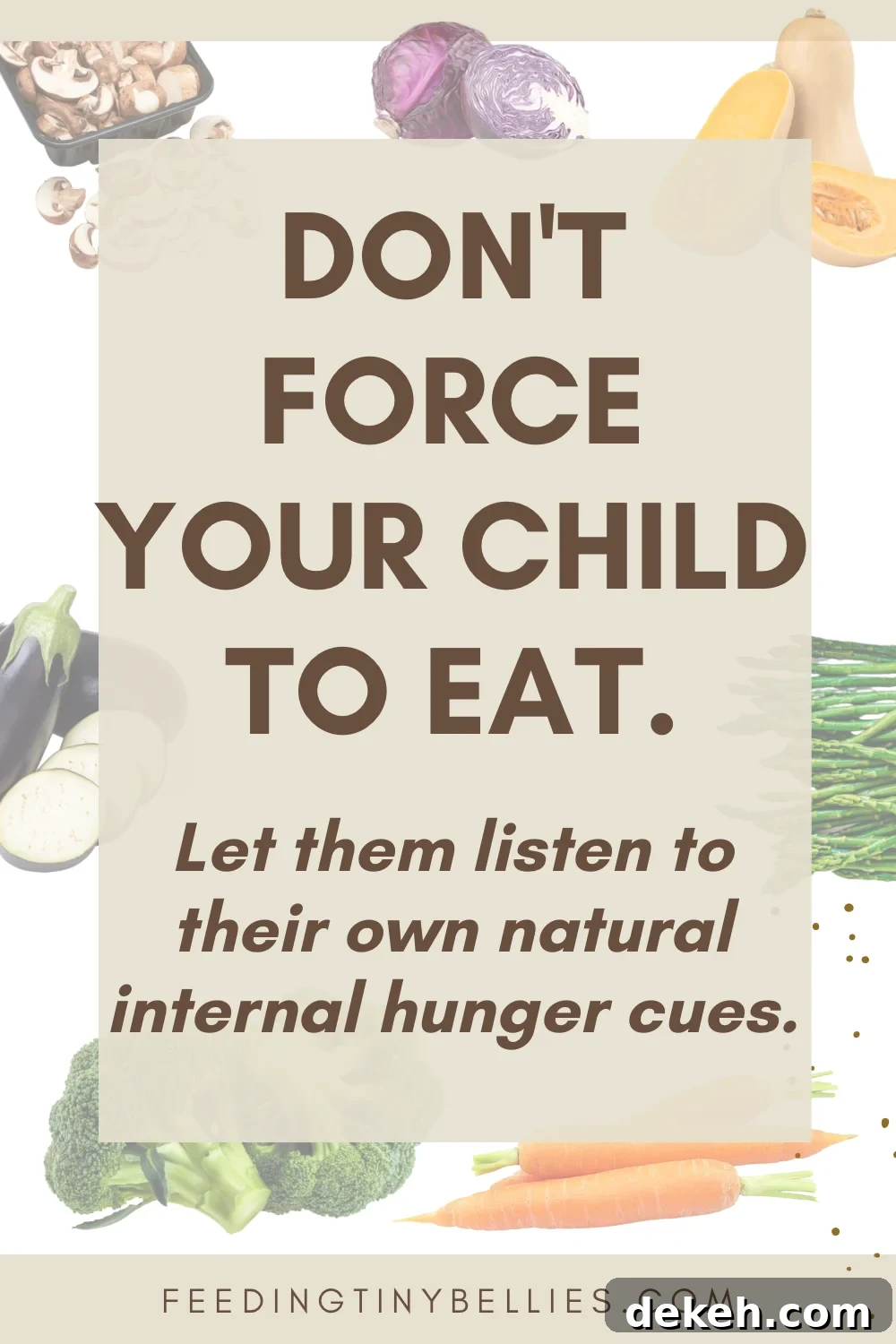
Pressuring a child to eat usually backfires and can create negative associations. Forcing bites or using threats turns mealtime into a power struggle. Offer vegetables calmly and let your child decide whether and how much to eat. The goal is building familiarity and a positive relationship with food, not winning a short-term battle.
8. Don’t Over-Praise Either
Keeping reactions neutral when a child eats vegetables avoids creating pressure. Excessive praise or rewards can make eating feel like an obligation. Treat vegetables as part of a normal meal, not a performance to be applauded.
9. Get Them Involved
Children are more likely to try foods they help prepare. Simple tasks—washing produce, tearing lettuce, stirring a bowl, or arranging a plate—build ownership and curiosity. Even small contributions can increase willingness to taste new items.
Involving kids in the kitchen can be messy but rewarding. The process often makes them proud and more open to trying what they helped make.
10. Model For Them!
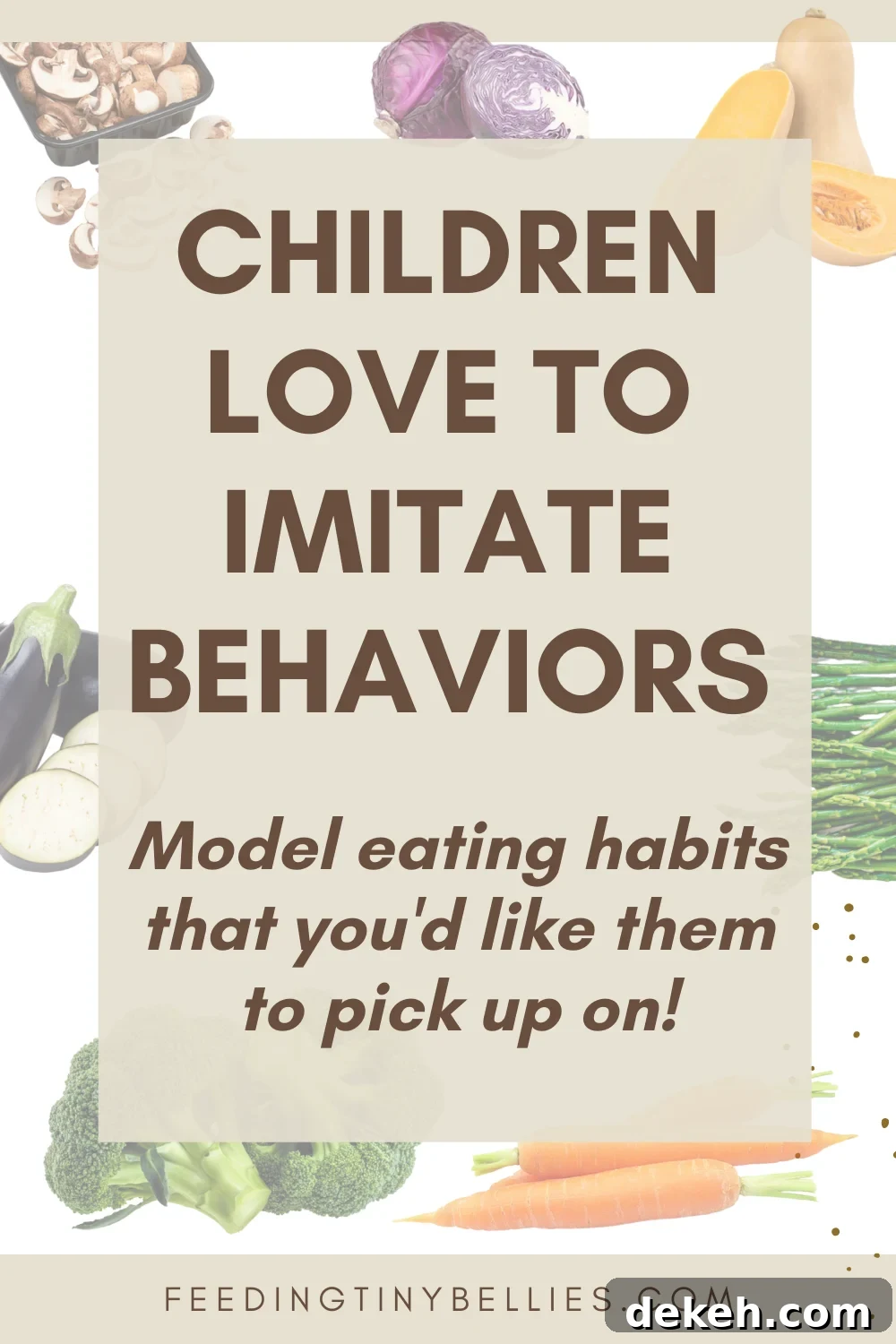
Children imitate adults. If they see you eating and enjoying vegetables regularly, they are more likely to try them. Share simple, positive comments about the food, keep the mood relaxed, and include the same vegetables on your plate so your child has a clear example to follow.
How Long Does It Take for Kids to Like Vegetables?
There’s no single timeline. Some children accept a new food quickly while others need many exposures—sometimes 10–20 or more—before they will taste it. Progress can look like simply noticing the food, touching it, smelling it, licking it, or taking a tiny bite. All of these small steps build comfort and familiarity.
What If My Child Still Won’t Eat Vegetables?
If your child resists vegetables right now, remember:
- They can still get nutrients from other foods, including fruits and fortified products
- Many children go through temporary picky phases
- Consistency and patience matter more than immediate results
Keep offering vegetables without pressure, vary preparations, and focus on making mealtimes calm and enjoyable.
Frequently Asked Questions
Begin with mild, slightly sweet vegetables such as carrots, sweet potatoes, peas, and roasted butternut squash. Roasting often enhances sweetness and texture, making them more appealing to children.
It varies, and can take many exposures. Research and experience suggest 10–15 or more gentle exposures may be needed. Keep offering vegetables without pressure—exposure itself helps.
Helping a child learn to enjoy vegetables takes time and patience. Stay consistent, keep mealtimes low-pressure and pleasant, and celebrate small steps toward familiarity and willingness to try new foods.
Fun Veggie Recipes To Try

Banana Carrot Muffins
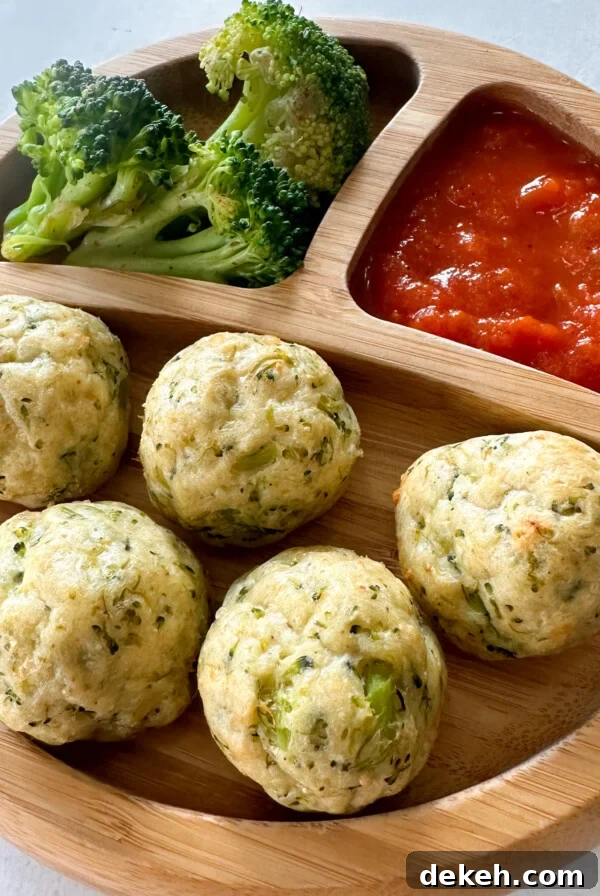
Chicken And Broccoli Meatballs

Spinach Banana Smoothie (Hulk Smoothie)