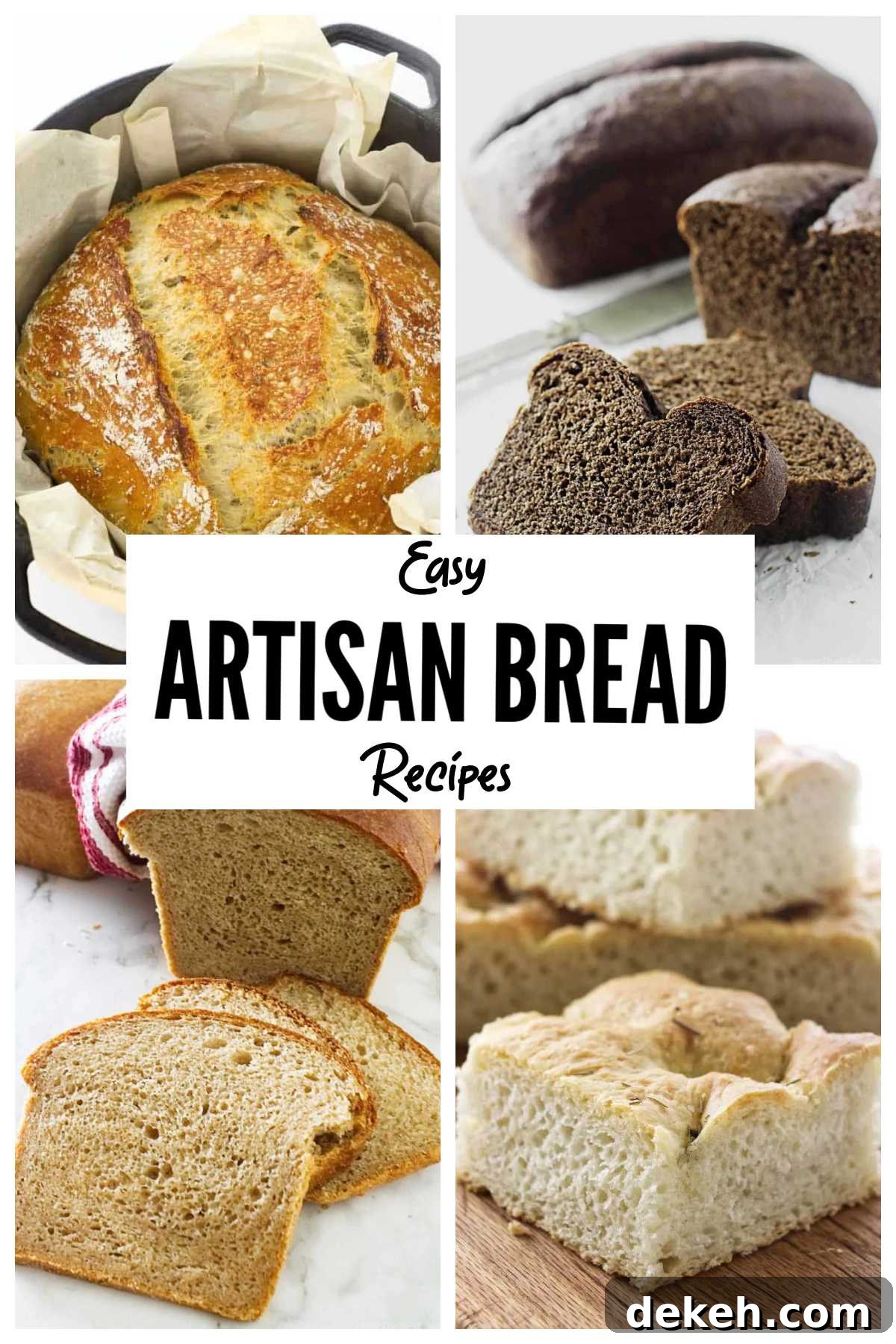
Whether you’re an experienced baker or a beginner, making artisan yeast breads at home is deeply rewarding and always impresses family and friends.
In this roundup, you’ll find a wide selection of artisanal yeast breads, from simple rustic loaves to traditional holiday treats. Each entry includes a short description and a link to the full recipe, plus practical tips to help your baking succeed every time.
Why Make Your Own Artisan Yeast Breads?
- Control over ingredients. Store-bought loaves often include refined flours and additives. Baking at home lets you choose high-quality, whole-grain, sprouted, or specialty flours and control salt, fats, and sweeteners.
- Better flavor and texture. Homemade artisan breads develop richer aromas, more complex flavor, and a satisfying crumb and crust that mass-produced loaves rarely match.
- Deeply satisfying process. Mixing, kneading, shaping, and watching dough rise is a hands-on, meditative process that yields delicious results and a real sense of accomplishment.
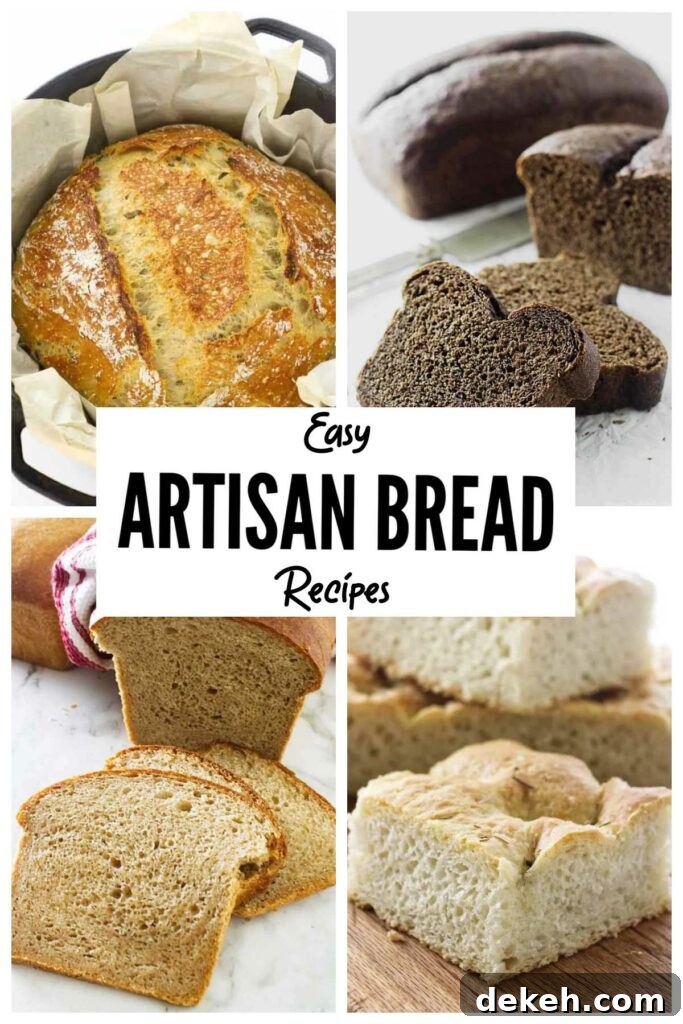
Why You’ll Want to Try These Recipes
Making artisan yeast breads helps you build baking skills, save money, and enjoy fresh, wholesome bread tailored to your tastes.
- Ingredient control. Use whole-wheat, einkorn, sprouted grains, or gluten-free blends to suit your preferences and nutrition goals.
- Economical. Homemade bread is often less expensive than specialty loaves and tastes far superior.
- Fun and rewarding. Baking bread is a creative, tactile hobby with delicious results to share.
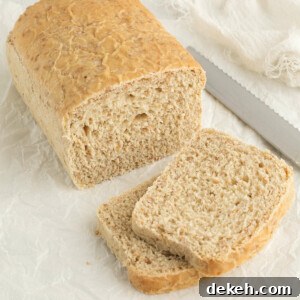
Cracked Wheat Bread
View Recipe
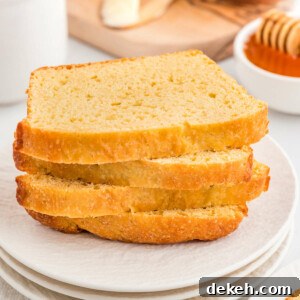
Einkorn Milk and Honey Bread
View Recipe

Beer Pretzel Bites
View Recipe

Sticky Gooey Cinnamon Rolls
View Recipe

Einkorn English Muffins
View Recipe
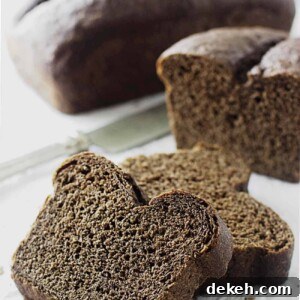
Sprouted Rye Bread
View Recipe
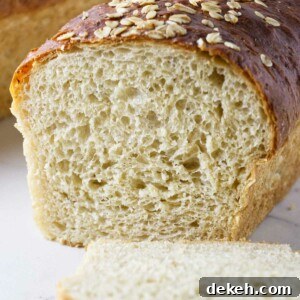
Oatmeal Bread
View Recipe

Greek Easter Bread (Tsoureki)
View Recipe
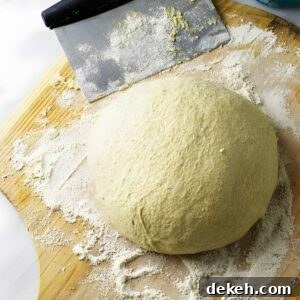
Whole Grain Einkorn Pizza Dough
View Recipe
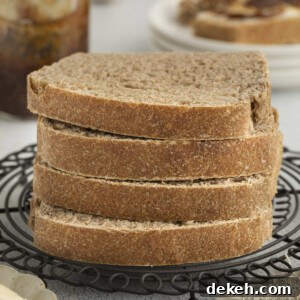
Sprouted Wheat Buttermilk Sandwich Bread
View Recipe
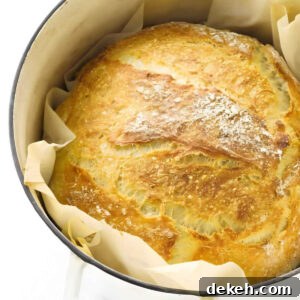
Quick No Knead Dutch Oven Bread
View Recipe
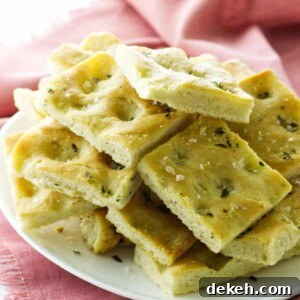
Garlic and Herb Focaccia Bread
View Recipe
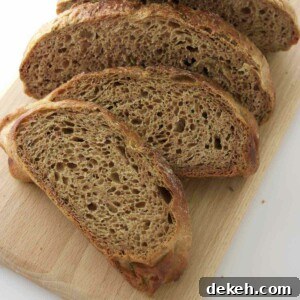
No-Knead Rye Bread
View Recipe
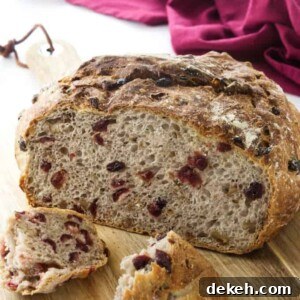
No-Knead Cranberry Walnut Bread
View Recipe
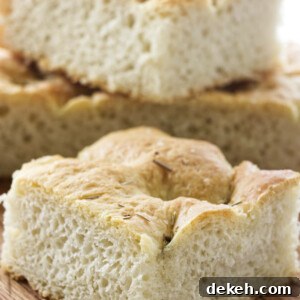
No-Knead Focaccia Bread
View Recipe

Fast Pizza Dough
View Recipe
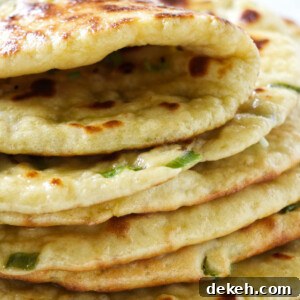
Einkorn Naan Bread with Garlic
View Recipe

Navajo Fry Bread
View Recipe

Ooni Pizza Dough (For Pizza Ovens)
View Recipe
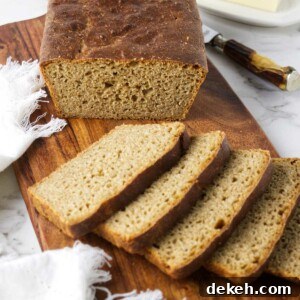
Whole Wheat Einkorn Bread
View Recipe
Let’s Get Baking!
Baking your own artisan yeast breads is a joyful, hands-on craft. With practice you’ll master techniques that produce consistently delicious loaves to share and enjoy.
We hope this collection inspires you to try new recipes and discover breads you and your family will love.
Tips for Success
- Use quality ingredients. Fresh flour and active yeast make a noticeable difference in flavor and texture.
- Knead properly. Thorough kneading develops gluten, giving bread structure and elasticity.
- Proof in a warm spot. Allow adequate rise time so the dough can develop flavor and structure.
- Bake at the right temperature. Correct oven temperatures ensure a good crust without drying the crumb.
- Enjoy the process. Baking bread should be fun — experiment and learn what works best for you.
♥️More Bread Recipes
- Whole Grain Gluten Free Flour Blend
- Buttery Cornbread
- Morning Glory Muffins
- Ancient Grain Apple Breakfast Cookies
- Einkorn Brownies with Cocoa Nibs
Frequently Asked Questions
The essentials are flour, water, yeast, and salt. Some recipes add fat (butter or oil) or dairy for tenderness and flavor. Flour choice (white, whole wheat, einkorn, sprouted) affects texture and taste.
Artisan breads use high-quality ingredients, often hand techniques, and longer fermentation or proofing to develop deeper flavor and a more complex crumb and crust.
Common types include sourdough, multigrain, rye, no-knead loaves, flatbreads like focaccia and naan, enriched breads like brioche or tsoureki, and quick-rise pizza doughs.
Typical errors are under-kneading, insufficient rising time, using inactive yeast, and overbaking. Following recipe timing and temperature guidance helps avoid these issues.
Store at room temperature for up to two days in a paper bag or wrapped lightly. For longer storage, slice and freeze; defrost slices as needed. Refrigeration can dry bread, so use it only when necessary.